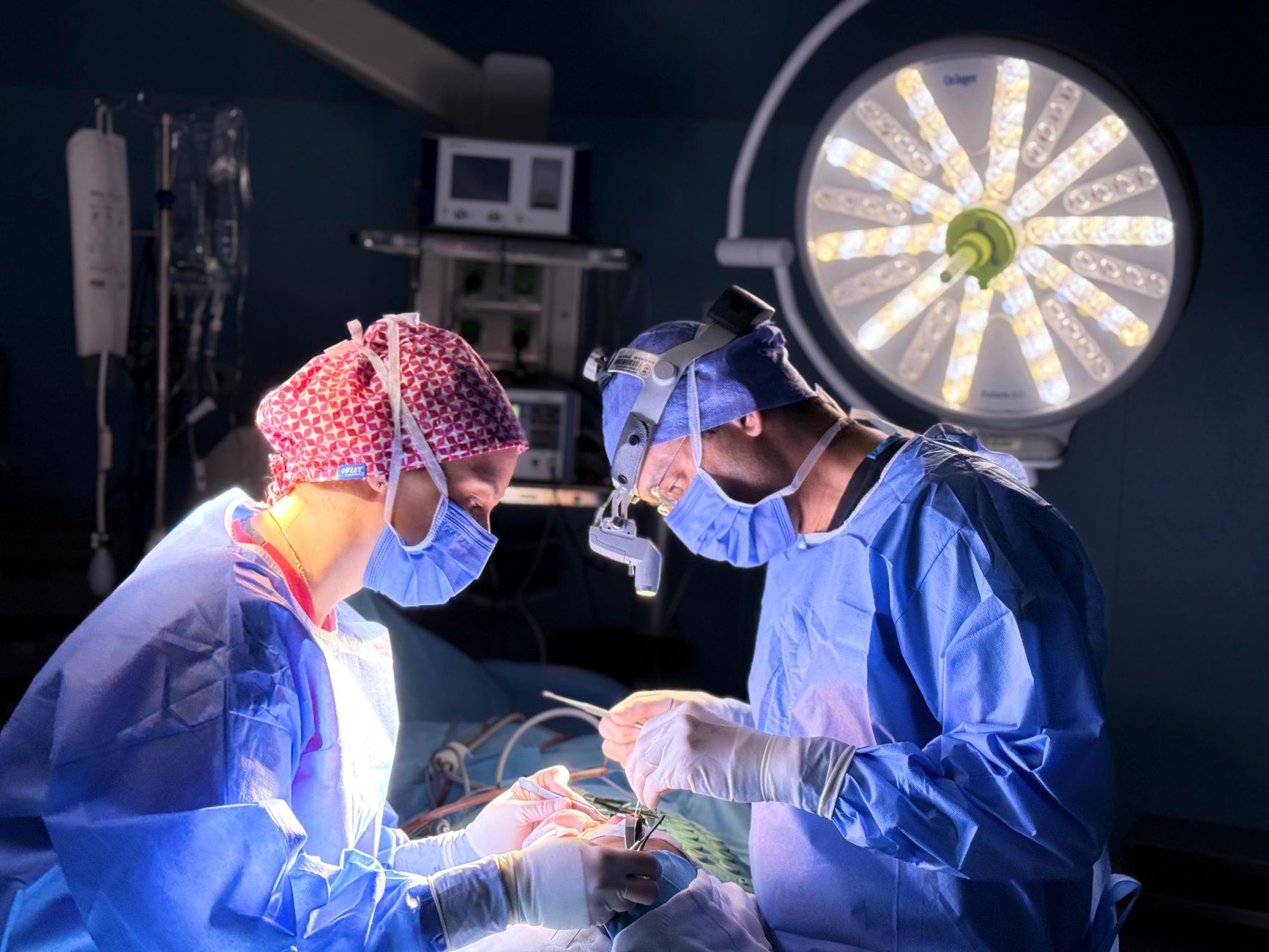
Cleveland Surgeons Complete Groundbreaking Robotic Transplant
In a significant advancement for organ transplant surgery, a team of surgeons in Cleveland has successfully performed a pioneering robotic transplant on a patient in his 70s suffering from pulmonary fibrosis. This innovative procedure is expected to revolutionize the field by offering a minimally invasive alternative that can lead to quicker recovery times for patients.
The operation was carried out at a leading medical center in the city, where surgeons utilized robotic technology to enhance precision during the transplant process. Traditionally, organ transplants involve extensive surgical techniques that can result in longer hospital stays and a more complicated recovery. However, the new robotic approach minimizes incisions and trauma to surrounding tissues, allowing patients to heal more rapidly.
The patient, whose identity has not been disclosed, had been suffering from severe lung complications due to pulmonary fibrosis, a condition that gradually scarring the lung tissue and impairs breathing. After a thorough evaluation, the medical team determined that a lung transplant was the best course of action for his deteriorating health.
Surgeons reported that the robotic system allowed for greater dexterity and visualization during the procedure, which is crucial when working in the intricate environment of the thoracic cavity. This technology not only enhances the surgeon’s capabilities but also reduces the physical stress on the patient. As a result, the individual was able to return home significantly sooner than would have been possible with traditional surgical methods.
Medical experts are optimistic about the implications of this robotic transplant technique for future operations. The success of this procedure may pave the way for broader applications of robotic assistance in various types of organ transplants. Surgeons believe that as technology continues to evolve, it could lead to enhanced outcomes for patients across different demographics.
The medical community in Ohio is particularly excited about this development, as it highlights the state’s commitment to advancing healthcare technology and improving patient care. Local hospitals are already exploring the potential for incorporating robotic systems into other surgical specialties, which could ultimately benefit a wide range of patients with various medical conditions.
As the field of organ transplantation continues to evolve, this groundbreaking procedure stands as a beacon of hope for those in need of transplants, offering a glimpse into a future where advanced technology can significantly improve surgical outcomes and patient experiences. The successful completion of this robotic transplant not only marks a crucial milestone for the surgeons involved but also represents a promising leap forward in the fight against life-threatening diseases.