Cleveland’s Lakefront Future and Overlapping Board Concerns
Cleveland’s civic landscape is facing scrutiny as questions arise over potential conflicts of interest among local leaders involved in key development projects. A growing number of civic leaders are found to hold multiple board memberships, which has sparked concerns regarding their dual roles in advocating for both the expansion of the convention center and the city’s lakefront development initiative.
The Cleveland Convention Center, a significant venue for events and gatherings, is currently being considered for an expansion. This proposal has been met with enthusiasm by some city officials and business leaders who believe that a larger facility could enhance Cleveland’s ability to attract major conventions and boost the local economy. However, as these leaders push for the convention center’s growth, they are also at the helm of the lakefront development project, which aims to revitalize and enhance public access to the city’s waterfront.
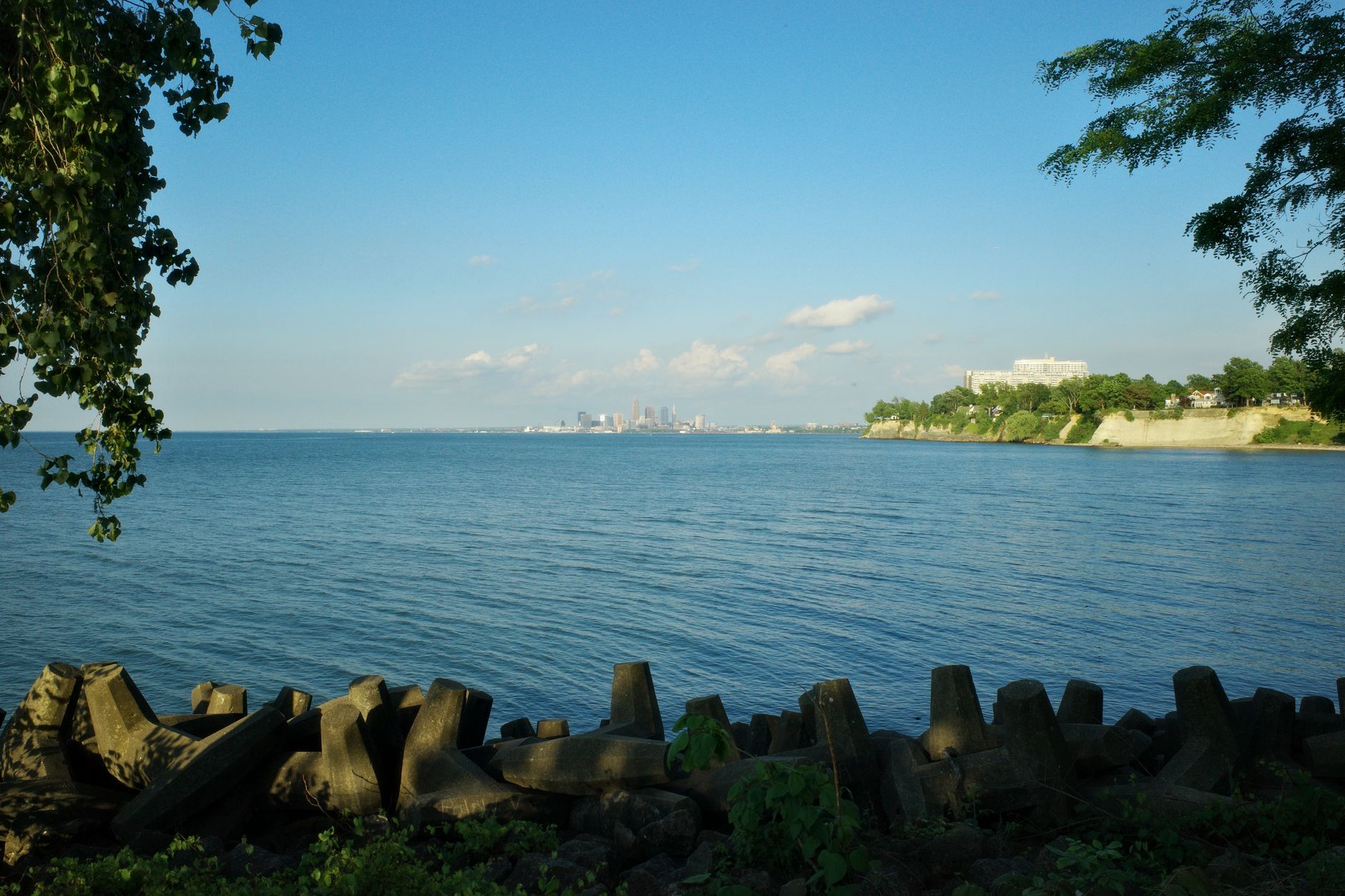
Critics argue that the overlapping interests of these board members could create a conflict, as decisions made in one capacity may unduly influence the other. The lakefront project, which has been in planning stages for several years, seeks to transform the area into a vibrant space for recreation, tourism, and community engagement. With so much at stake, the potential for bias among those overseeing the projects raises alarms about the integrity of the decision-making process.
Local watchdog groups have called for increased transparency and accountability in these developments. They urge the city to establish clearer guidelines about board memberships and the necessary disclosures required from those who serve in multiple capacities. The aim is to ensure that the interests of the community are prioritized and that decisions are made solely in the public’s best interest, free from any undue influence that may arise from personal or financial ties.
Civic leaders have responded to these concerns by emphasizing their commitment to the city’s progress. They assert that their involvement in multiple roles allows for a more cohesive vision for Cleveland’s development. Proponents argue that having experienced leaders in both the convention and lakefront projects can facilitate better collaboration and resource allocation, ultimately benefiting the city as a whole.
As Cleveland navigates these complex issues, the community remains watchful. Residents are encouraged to stay informed about the developments and to engage with local leaders to express their views on the future of the city’s waterfront and convention facilities. The outcomes of these projects could significantly shape Cleveland’s identity and economic vitality for years to come.