Concerns Raised After Endangered Whale Found on Cruise Ship in Alaska
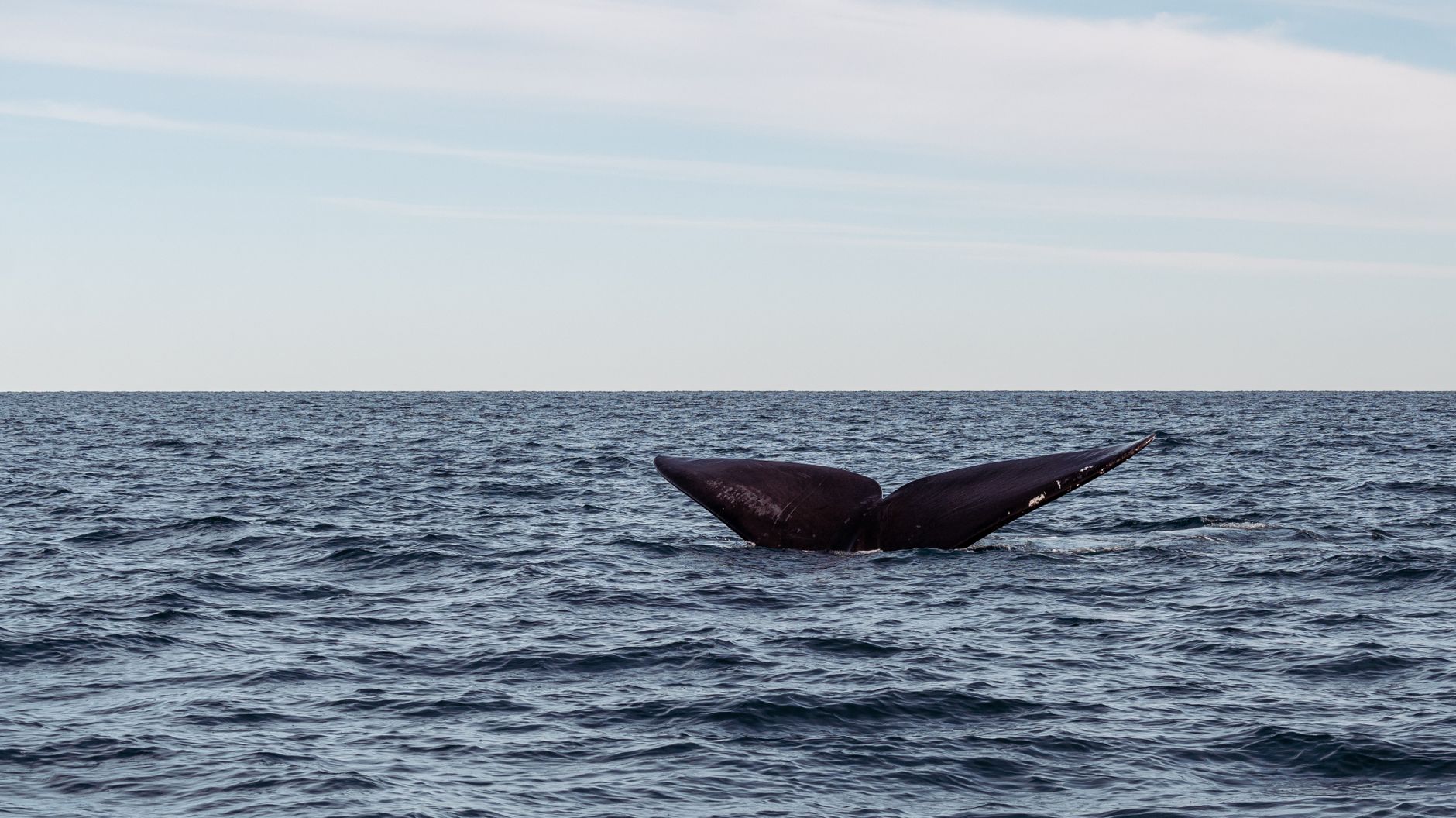
A concerning incident has emerged involving the Royal Caribbean’s cruise ship, Ovation of the Seas, which docked in Seward, Alaska. Upon its arrival, crew members discovered the lifeless body of a pregnant fin whale resting on the vessel’s bow. This tragic find has sparked renewed discussions about the impact of maritime activities on marine life, particularly endangered species.
The fin whale, known for its impressive size and streamlined shape, is classified as an endangered species under the U.S. Endangered Species Act. This particular whale was pregnant, heightening the gravity of the discovery and raising questions about the circumstances surrounding its death. Experts have expressed deep concern regarding the implications of such incidents for marine ecosystems.
Investigations are currently underway to determine how the whale ended up on the cruise ship. Initial reports suggest it may have been struck by the vessel while it was navigating through waters where the whales are known to migrate. Whales often face threats from vessel strikes, which can be fatal, especially for species like the fin whale, whose populations are already diminishing.
The incident has prompted discussions among environmentalists and wildlife advocates about the need for stricter regulations governing shipping routes, particularly in areas frequented by marine mammals. Many argue that cruise lines and shipping companies should implement measures to better protect these animals, including the establishment of designated shipping lanes that minimize the risk of collisions.
Furthermore, local officials and conservation groups are calling for increased awareness and education regarding the presence of marine life in Alaskan waters. They emphasize the importance of safeguarding these species, not only for their survival but also for the health of the ocean ecosystem as a whole.
Royal Caribbean has not yet commented publicly on the incident, but the company has a history of promoting its efforts to protect marine environments. As investigations continue, stakeholders are hopeful that this unfortunate event will lead to positive changes in maritime practices that prioritize the safety of marine wildlife.
The discovery of the dead fin whale serves as a stark reminder of the challenges faced by endangered species in our oceans. As the cruise industry continues to grow, it is crucial for companies and regulators alike to prioritize the protection of vulnerable marine animals to ensure their survival for future generations. The ongoing dialogue surrounding this incident could pave the way for more responsible practices that benefit both maritime operations and the natural world.