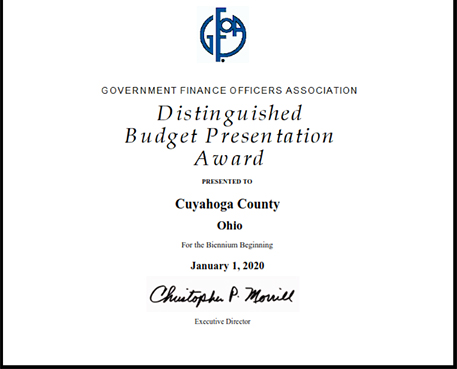
Cuyahoga County Faces Budget Struggles Amid Overspending and Projected Deficits
Cuyahoga County is grappling with significant financial challenges as officials report a troubling overspend in the previous fiscal year, along with the prospects of new deficits in 2026. The county’s budget, which was carefully crafted to achieve balance, is now under strain, raising concerns among residents and local leaders about the sustainability of essential services.
In 2025, the county administration approved a budget aimed at achieving fiscal stability, but it appears that actual expenditures have exceeded initial estimates. As a result, county officials are now bracing for a potential shortfall that could impact a range of public services, including law enforcement, public health, and infrastructure maintenance.
The recent budgetary difficulties are compounded by a series of unexpected costs that have arisen over the past year. These include increased expenses related to public safety, rising healthcare costs, and inflationary pressures that have affected many sectors of the economy. This unexpected financial strain has led to discussions among county leaders about potential cuts to programs and services that residents rely on.
County Executive Chris Ronayne emphasized the importance of addressing these budgetary concerns head-on. “We must confront our fiscal realities and ensure that we are making responsible decisions that will not only address our current shortfall but also lay the groundwork for future stability,” he stated in a recent press conference.
As the county prepares for the upcoming budget cycle, officials are exploring various strategies to mitigate the impact of the projected deficit. These strategies may include a combination of cost-cutting measures, potential tax adjustments, and seeking additional state and federal funding to help bridge the gap. However, leaders acknowledge that finding a sustainable solution will require collaboration and transparency with residents and stakeholders.
Local community organizations have expressed concerns about the potential cuts to vital services, particularly those that support vulnerable populations. Advocates are urging county officials to prioritize funding for programs that address homelessness, mental health, and other critical social services. “It is essential that we protect the most vulnerable members of our community during this budget crisis,” said a representative from a local nonprofit organization.
As the county moves forward, residents are encouraged to stay informed and engaged in the budget process. Public meetings and forums will be held in the coming weeks, providing opportunities for community input and discussion. The path to fiscal stability will likely be challenging, but county leaders are committed to working collaboratively with residents to find viable solutions to these pressing financial issues.