Ohio State Coach Ryan Day Proposes Draft System for College Football
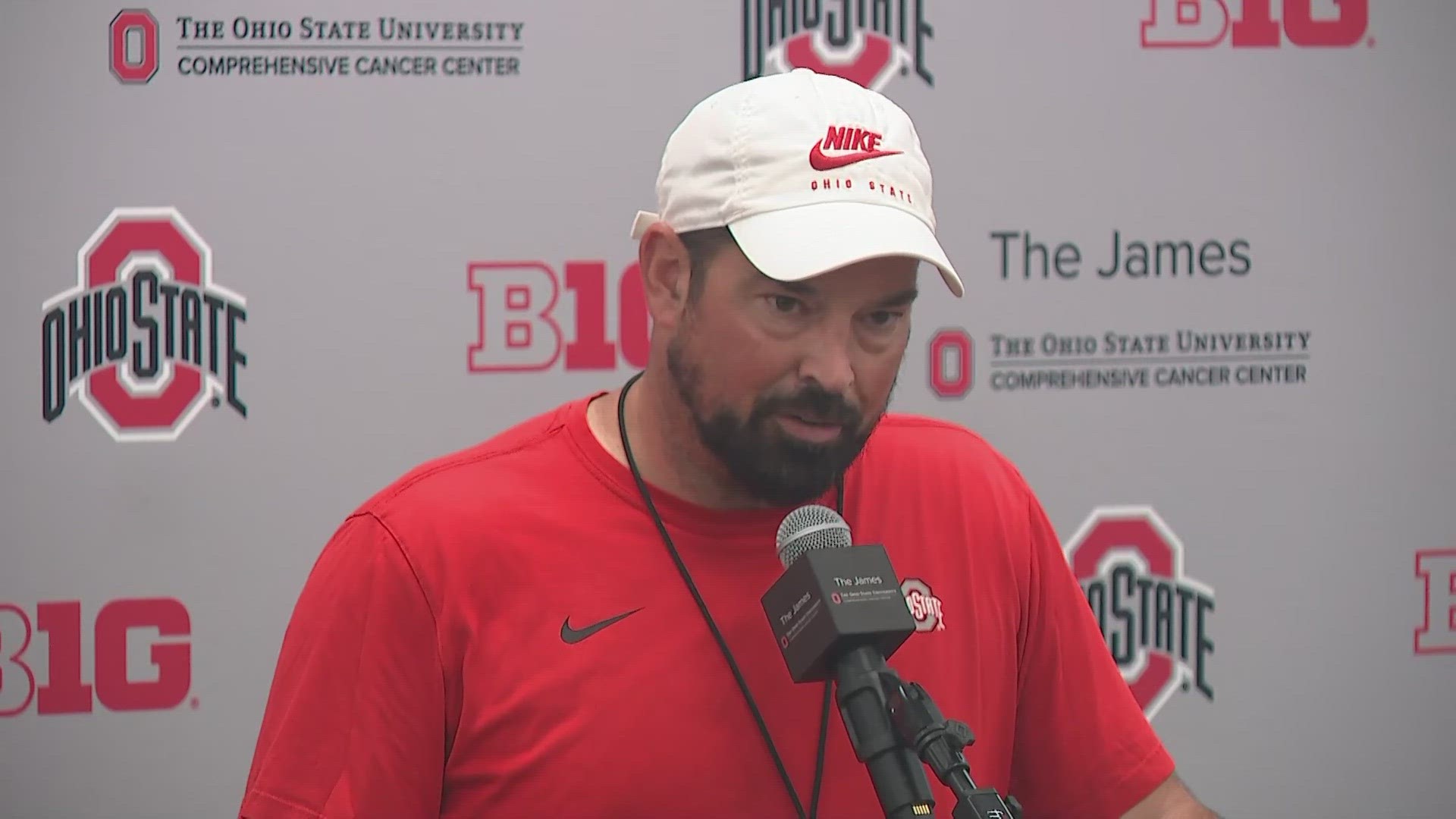
In a bold move aimed at transforming college football, Ohio State head coach Ryan Day has suggested the implementation of a draft system for college athletes. This proposal, which seeks to address the ongoing challenges of player recruitment and retention, has sparked discussions among fans, analysts, and fellow coaches.
During a recent interview, Day outlined his vision for a structured draft process that would allow college programs to select players in a manner similar to professional sports. He emphasized that this change could help level the playing field among universities and provide a more equitable framework for student-athletes. By instituting a draft, Day believes that schools would have a fairer opportunity to acquire top talent, potentially reducing the advantages held by historically dominant programs.
Day’s suggestion comes at a time when college football is grappling with various issues, including the impact of the NCAA’s transfer portal and the growing influence of Name, Image, and Likeness (NIL) deals. The transfer portal has made it easier for players to switch schools, often leading to a more volatile recruitment landscape. A draft system could introduce a sense of stability and predictability, allowing teams to build and maintain their rosters more effectively.
The coach also highlighted that a draft could encourage players to stay in school longer. By creating a structured pathway to the professional leagues, student-athletes might feel less pressure to leave college prematurely, as they would have the opportunity to be selected based on their development and performance over time. This could enhance the overall quality of college football, as teams would benefit from more experienced players.
While Day’s proposal has garnered attention, it also raises questions about the logistics of implementing such a system. Concerns regarding eligibility, the timing of the draft, and the potential impact on current recruitment practices need to be addressed. Additionally, the response from the NCAA and other governing bodies will be crucial in determining whether this idea gains traction.
As the landscape of college athletics continues to evolve, Day’s proposition is part of a broader conversation about the future of the game. Coaches, players, and fans alike are watching closely to see how these discussions unfold and what changes might be on the horizon for college football.
In the meantime, Day remains focused on his team’s performance and the upcoming season, while advocating for innovative solutions that could reshape the sport for generations to come. The idea of a draft in college football is certainly ambitious, but it reflects a growing desire for reform in an ever-changing athletic environment.