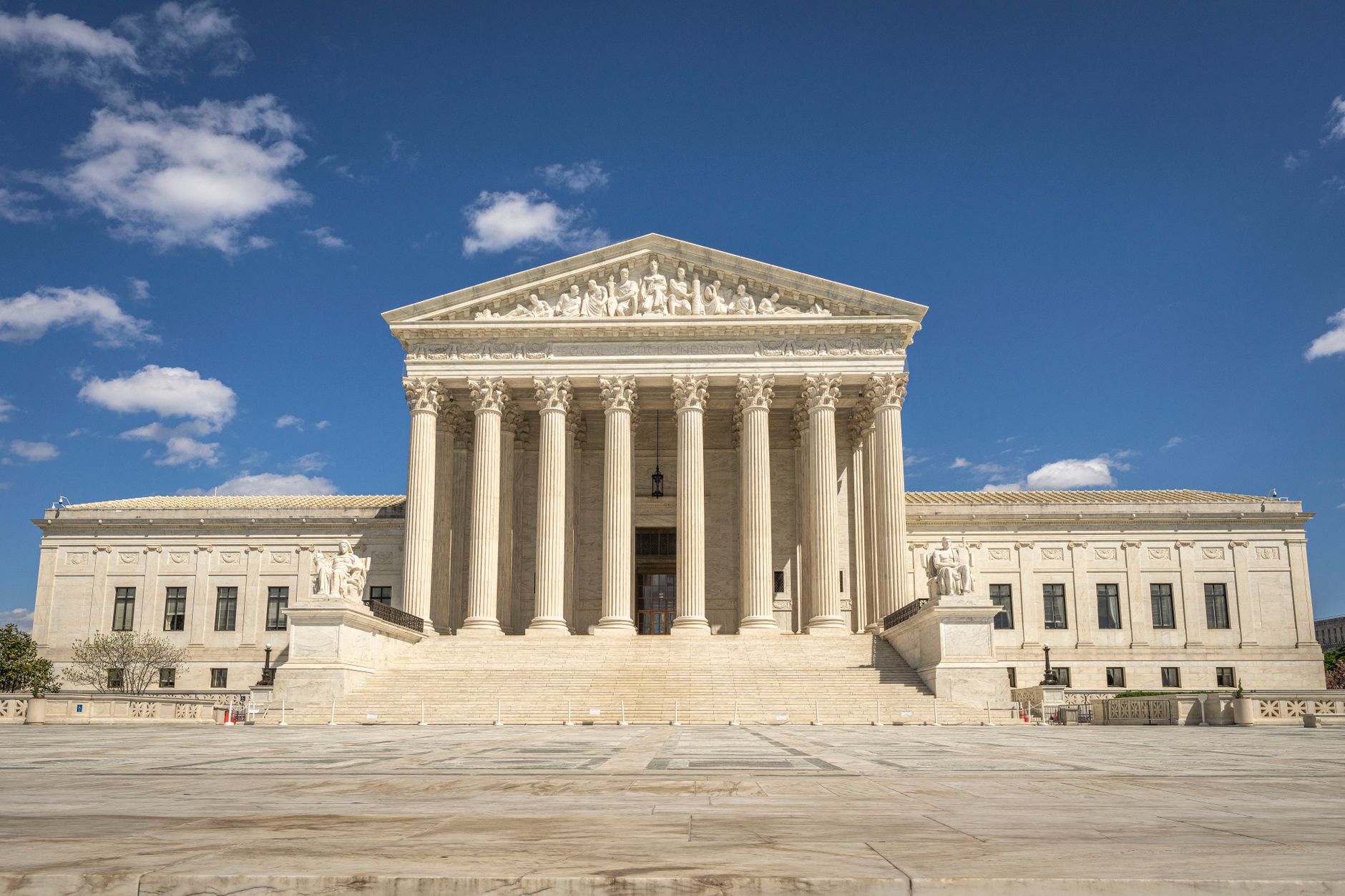
Supreme Court Clears Path for Trump’s White House Ballroom Construction
In a significant ruling, the Supreme Court has greenlit the continuation of construction for a new ballroom at the White House, a project initiated during Donald Trump’s presidency. This decision comes despite ongoing legal disputes raised by various preservation organizations concerned about the potential impact on the historic integrity of the White House.
The preservation groups argued that the new ballroom, intended to host official events and gatherings, could compromise the architectural significance and historical value of the iconic residence. They claimed that the construction might alter the original design and aesthetic of the property, which has been a symbol of American history for over two centuries.
In response to these concerns, the Supreme Court’s ruling allows the project to move forward, signaling a significant step in the administration’s efforts to enhance the White House’s capabilities for large-scale events. The ballroom is envisioned as a venue for state dinners, receptions, and other formal occasions, aimed at accommodating both dignitaries and the public.
Supporters of the project argue that the new ballroom will modernize the White House and provide a much-needed space for hosting events that reflect the evolving nature of the presidency. They contend that the facility will not only preserve the legacy of the White House but also enhance its functionality for future administrations.
The legal battle surrounding the construction has drawn attention to the broader conversation about historical preservation versus modernization. Critics of the project emphasize the importance of maintaining the White House’s historic character, while proponents highlight the need for adaptive spaces that meet contemporary needs.
The Supreme Court’s decision is seen as a pivotal moment for the project, which had faced delays and uncertainty amidst the legal challenges. Officials involved in the planning have expressed their optimism about the ruling and the potential benefits that the new ballroom could bring to the White House’s operational capabilities.
As construction resumes, it remains to be seen how the project will unfold and whether additional legal challenges will arise. The outcome of this high-profile case could set a precedent for future renovations and expansions of historic sites across the country, balancing the fine line between preservation and progress.
Residents and stakeholders in Ohio and beyond will be watching closely as this story develops, understanding that the implications of this ruling extend beyond the confines of the White House, touching on broader themes of cultural heritage, architecture, and national identity.