Survivors of Native American Boarding Schools Reflect on Healing Through Historic Testimonies
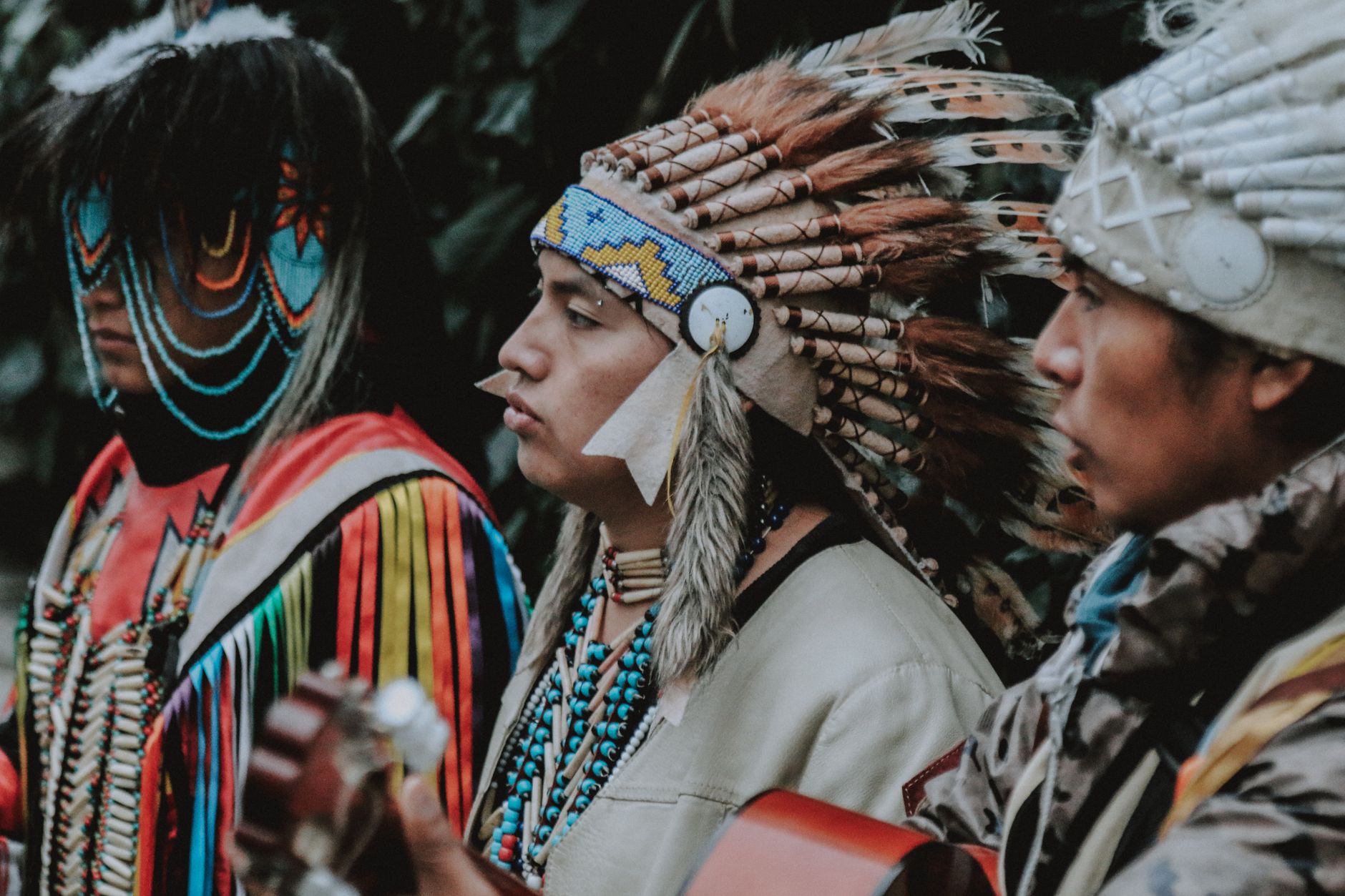
In a significant cultural initiative, a project dedicated to documenting the experiences of Indigenous survivors from Native American boarding schools has concluded, leaving many participants feeling honored and emotionally restored. This extensive endeavor has gathered video testimonies from more than 360 survivors across 19 states, highlighting the profound impact these schools had on Indigenous communities.
For generations, Native American boarding schools were established with the intent to assimilate Indigenous children into Euro-American culture. Many survivors recount the emotional and physical toll these institutions exacted, where they faced harsh discipline, cultural erasure, and a disconnection from their families and traditions. The project aimed to provide a platform for these individuals to share their stories, fostering a sense of collective healing and recognition.
Participants in the project described the experience of sharing their narratives as both cathartic and empowering. Many expressed gratitude for the opportunity to tell their stories in a supportive environment, allowing them to reclaim their voices and heritage. The testimonials serve not only as personal accounts but also as crucial historical documentation, shedding light on a dark chapter in American history that continues to affect Indigenous communities today.
One participant noted that the act of sharing her story helped her feel seen and validated, a sentiment echoed by many others involved. The project organizers emphasized the importance of these testimonies in raising awareness about the ongoing impacts of colonialism and cultural genocide on Indigenous peoples. By recording and preserving these stories, they hope to educate future generations about the resilience and strength of Native American communities.
As the project wraps up, organizers are committed to ensuring that the stories collected will be accessible to the public and used as educational tools in schools and community programs. The aim is to foster understanding and reconciliation, paving the way for a more inclusive narrative regarding American history.
The initiative has gained support from various stakeholders, including educational institutions, Indigenous organizations, and community leaders. Their involvement highlights a growing recognition of the need to address historical injustices and promote healing among affected communities.
As the stories continue to resonate, many survivors find solace in knowing that their experiences are being acknowledged and honored. This project not only serves as a critical record of the past but also as a beacon of hope for the future, emphasizing the importance of listening to Indigenous voices and fostering a deeper understanding of their rich cultural heritage.