Widespread Flight Delays and Cancellations Impact U.S. Travelers
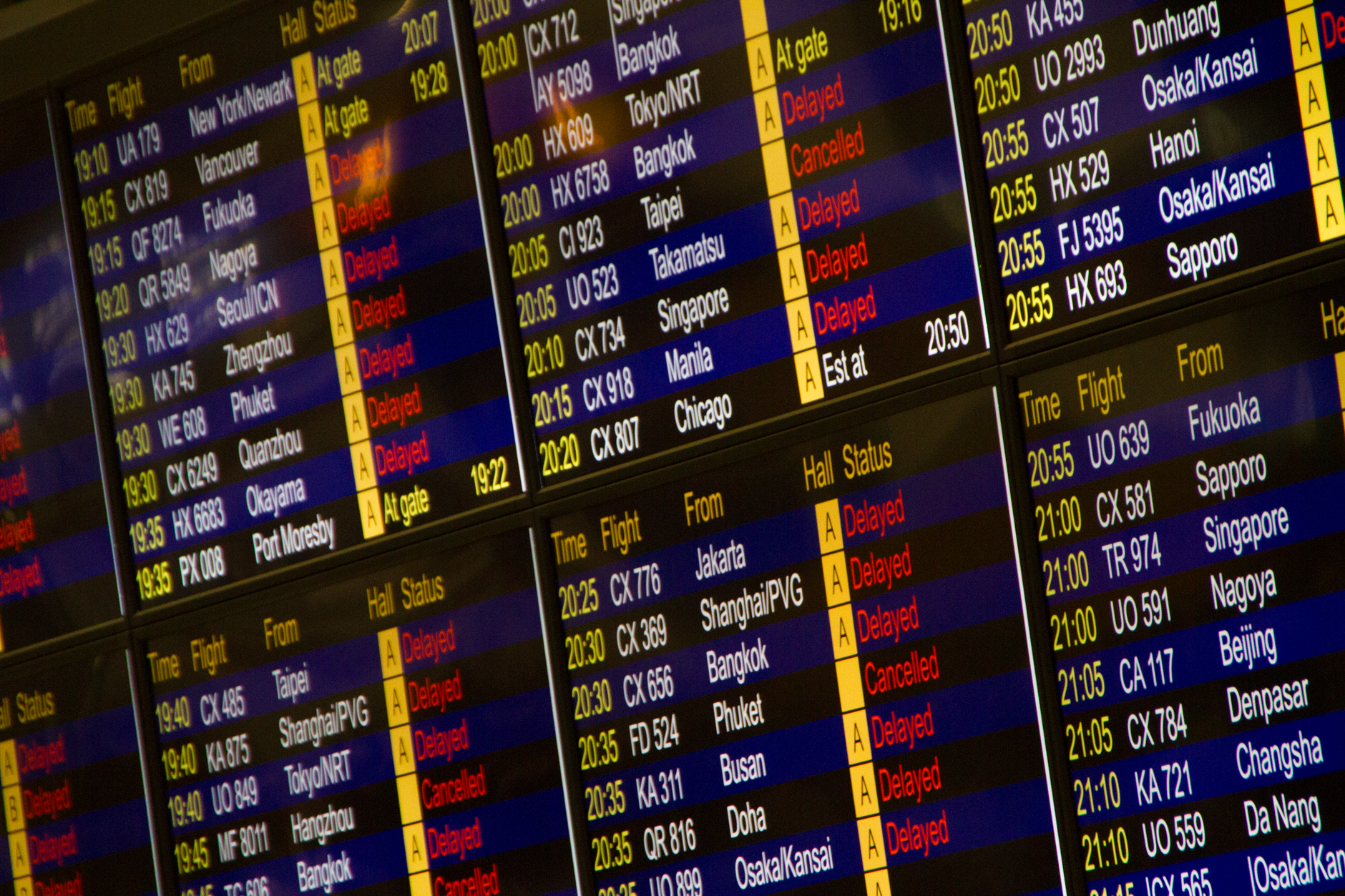
Travelers across the United States faced significant disruptions recently as over 899 flights were delayed and 126 were canceled. This wave of travel chaos affected numerous airports nationwide, leaving many passengers stranded or scrambling for alternate arrangements.
The disruptions were attributed to a combination of factors, including severe weather conditions and operational challenges faced by airlines. Airports in major hubs experienced the brunt of the delays, with travelers reporting long wait times and crowded terminals. The situation was exacerbated by a ripple effect, as delays in one part of the country led to subsequent disruptions in other regions.
Airline officials advised passengers to check their flight status before heading to the airport and to be prepared for potential changes to their travel plans. Many airlines instituted flexible rebooking policies to accommodate affected customers, allowing them to change their flights without incurring additional fees. However, travelers were still urged to remain patient as the situation continued to evolve.
Passengers at several key airports reported frustrating experiences, with some waiting for hours in line just to reach customer service representatives. The delays not only caused inconvenience but also heightened concerns about the reliability of air travel as the holiday season approaches. Travelers are reminded to remain vigilant and monitor their flight information closely, as airlines work to restore normal operations.
While some airlines managed to resume their schedules, many flights remained delayed throughout the day. Industry experts emphasized the importance of staying informed through official airline channels and airport alerts to mitigate the impact of these disruptions on travel plans.
As the travel season picks up, it’s clear that both airlines and travelers will need to navigate the complexities of air travel more carefully. With the possibility of ongoing weather-related issues and other operational hurdles, passengers should prepare for the unexpected.
Ultimately, while airlines are working diligently to rectify these delays, passengers are encouraged to stay updated and make contingency plans as needed. The recent disruptions serve as a reminder of the challenges that can arise during peak travel times and the importance of being proactive in managing travel arrangements.