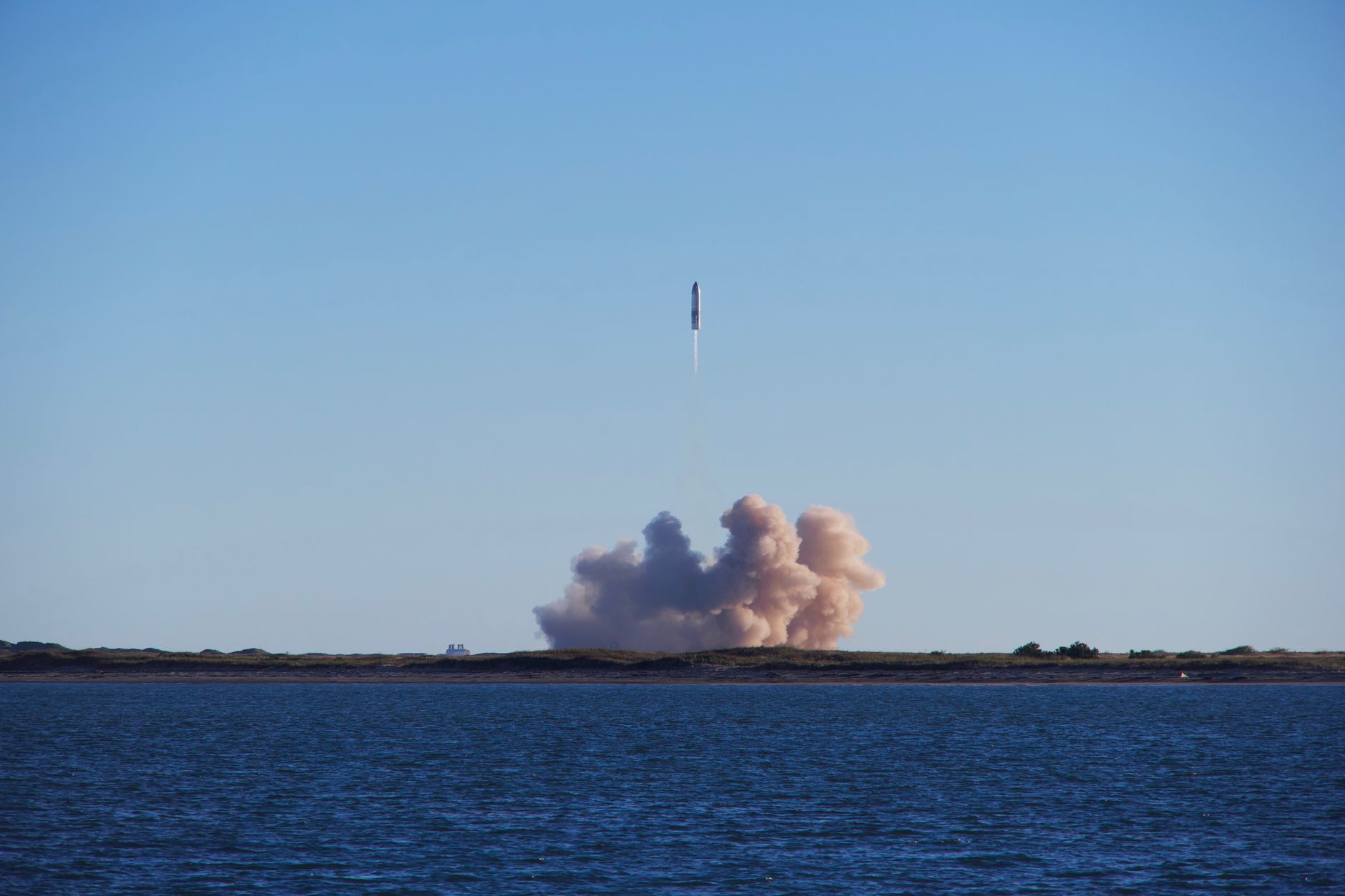
Blue Origin Launch Pad Reconstruction Underway; Relativity Space Sets Sights on Mars
Blue Origin is making significant strides in its operations following the setback of a recent rocket failure. The company has commenced the reconstruction of its launch pad at the Cape Canaveral Space Force Station in Florida. This comes after a SpaceX Falcon 9 rocket exploded during a test in September, prompting a thorough review and recalibration of safety protocols.
The Blue Origin team is focused on enhancing the infrastructure at the launch site to ensure future missions can proceed smoothly and safely. This initiative is critical as the company prepares for its upcoming crewed flights and satellite launches, aiming to bolster its position in the competitive space industry.
In addition to Blue Origin’s efforts, another player in the aerospace sector, Relativity Space, is making headlines with its ambitious plans for Mars exploration. The startup, known for its innovative 3D-printed rockets, is targeting the Red Planet as a potential destination for its next-generation launch vehicle, Terran R. This rocket is designed to not only support missions to low Earth orbit but also to venture beyond, including missions that could ultimately reach Mars.
Relativity Space’s CEO, Tim Ellis, expressed enthusiasm about the company’s vision for Martian exploration. He emphasized that the Terran R rocket will be pivotal in supporting not just commercial payloads but also scientific missions aimed at understanding Mars better. The company is keen on establishing a presence in the Martian atmosphere, which aligns with broader goals shared by various space agencies and private enterprises looking to explore other celestial bodies.
While Blue Origin focuses on refining its launch capabilities, Relativity Space is pushing the boundaries of rocket technology and exploration. Both companies exemplify the dynamic and rapidly evolving landscape of the space industry, where innovation and ambition are driving unprecedented advancements.
Additionally, the landscape for rocket names is also shifting. A French startup recently announced it would be changing the name of its rocket due to trademark complications. The decision underscores the complexities startups face as they navigate branding and legal challenges in a highly competitive market. Naming a rocket might seem trivial, but it plays a crucial role in a company’s identity and marketability.
As these developments unfold, the future of space exploration looks promising, with companies like Blue Origin and Relativity Space leading the charge. Their efforts not only aim to enhance our capabilities for launching payloads but also to inspire a new era of exploration beyond Earth’s orbit. With plans for Mars missions on the horizon, the excitement around space travel continues to build, capturing the imaginations of enthusiasts and the general public alike.