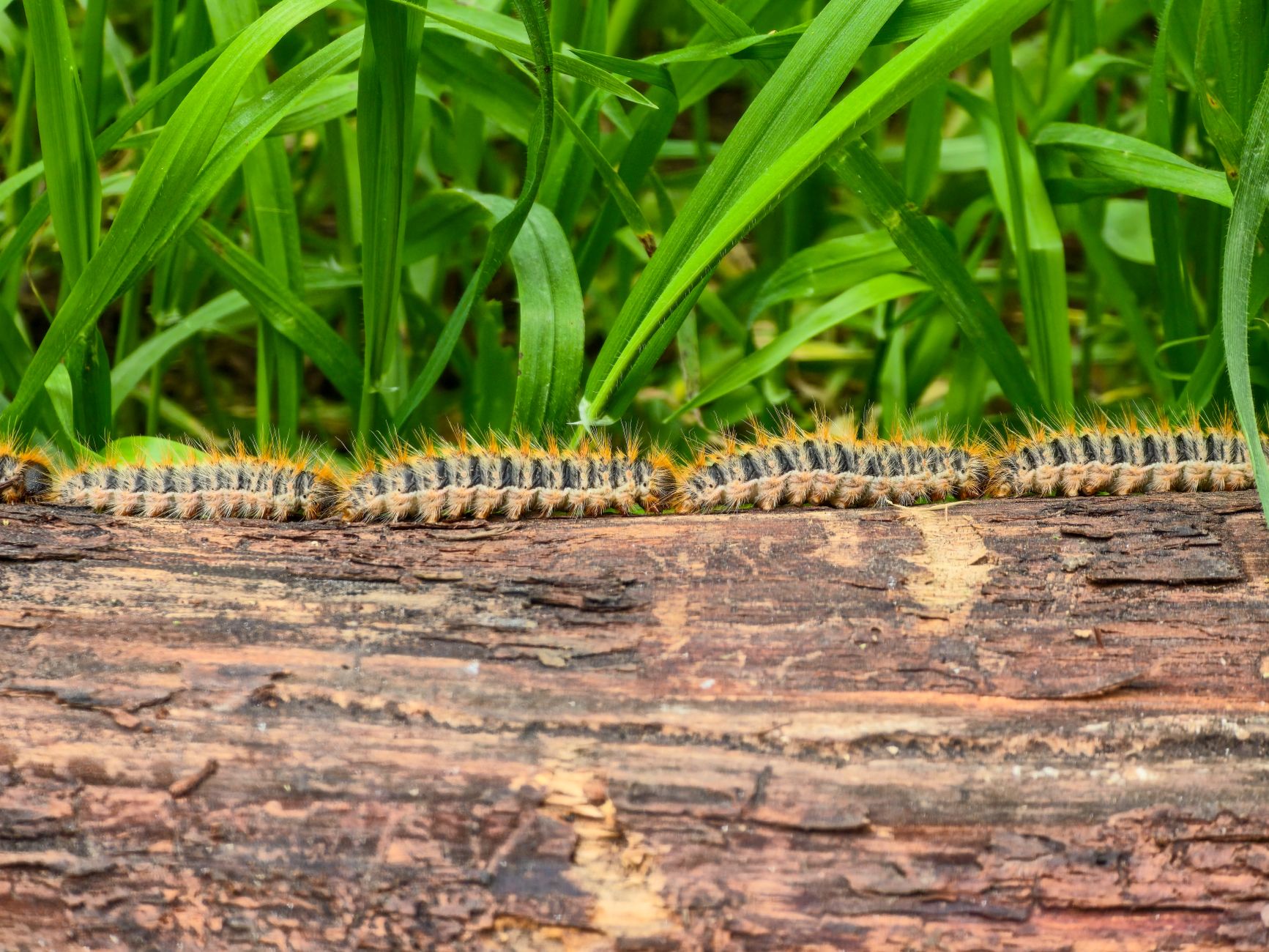
Scientists Put Caterpillars in an Ultraquiet Chamber to Learn How They Hear Without Ears
In a groundbreaking study, researchers have turned their attention to the auditory capabilities of caterpillars, creatures that lack traditional ears yet possess a remarkable ability to perceive sound. This intriguing research, conducted in a specially designed ultraquiet chamber, aims to unravel the mystery of how these small insects detect vibrations in their environment, potentially paving the way for advancements in microphone technology.
The study focused on the caterpillar species known as *Manduca sexta*, commonly referred to as the tobacco hornworm. Despite their absence of ears, these caterpillars have demonstrated an impressive sensitivity to sound waves, which raises questions about their auditory mechanisms. To explore this phenomenon, scientists placed the caterpillars in a chamber designed to minimize background noise, allowing them to study the insects’ responses to different sound frequencies without interference.
During the experiments, researchers played various sound frequencies while monitoring the caterpillars’ movements. Surprisingly, the caterpillars responded to specific vibrations, indicating that they possess a unique method of sound perception. Instead of using ears, they seem to rely on their body structures, which may function similarly to a microphone. The findings suggest that these insects can detect sound through the vibrations transmitted through their skin, a trait that could inform future designs in sound detection technology.
The implications of this research extend beyond the realm of entomology. Understanding how caterpillars hear could inspire innovations in microphone design, particularly in creating devices that are more sensitive to subtle vibrations. For instance, scientists could develop microphones that mimic the caterpillar’s unique sensory capabilities, leading to improved sound detection in various applications, from environmental monitoring to medical diagnostics.
Furthermore, this study sheds light on the broader evolutionary adaptations that allow different species to thrive in their environments. By examining how caterpillars and other organisms perceive sound, researchers can gain insights into the diverse strategies life has developed to navigate and respond to the world.
As the study progresses, scientists hope to delve deeper into the intricacies of caterpillar hearing. This research not only enhances our understanding of these intriguing insects but also opens new avenues for technological advancements inspired by nature. The potential to harness biological mechanisms for practical applications illustrates the ever-evolving relationship between the natural world and human innovation.
In conclusion, the investigation of caterpillar hearing is a captivating reminder that even the simplest creatures can possess complex sensory systems, offering insights that may lead to revolutionary changes in technology and beyond.