Texas City Demands $2M for Public Records on Flock Usage
In an unprecedented move, a Texas city has set a hefty price tag of $2 million for public records detailing law enforcement’s use of Flock Safety’s license plate reader technology. This decision has raised eyebrows and sparked controversy amid growing concerns about privacy and surveillance practices in communities across the nation.
Flock Safety, a company specializing in automated license plate readers, has become a popular choice among law enforcement agencies looking to enhance their crime-fighting capabilities. The technology allows police to capture images of vehicle license plates, which are then stored in a database for potential future investigations. However, the increasing deployment of such systems has led to heightened scrutiny regarding their impact on civil liberties and community trust.
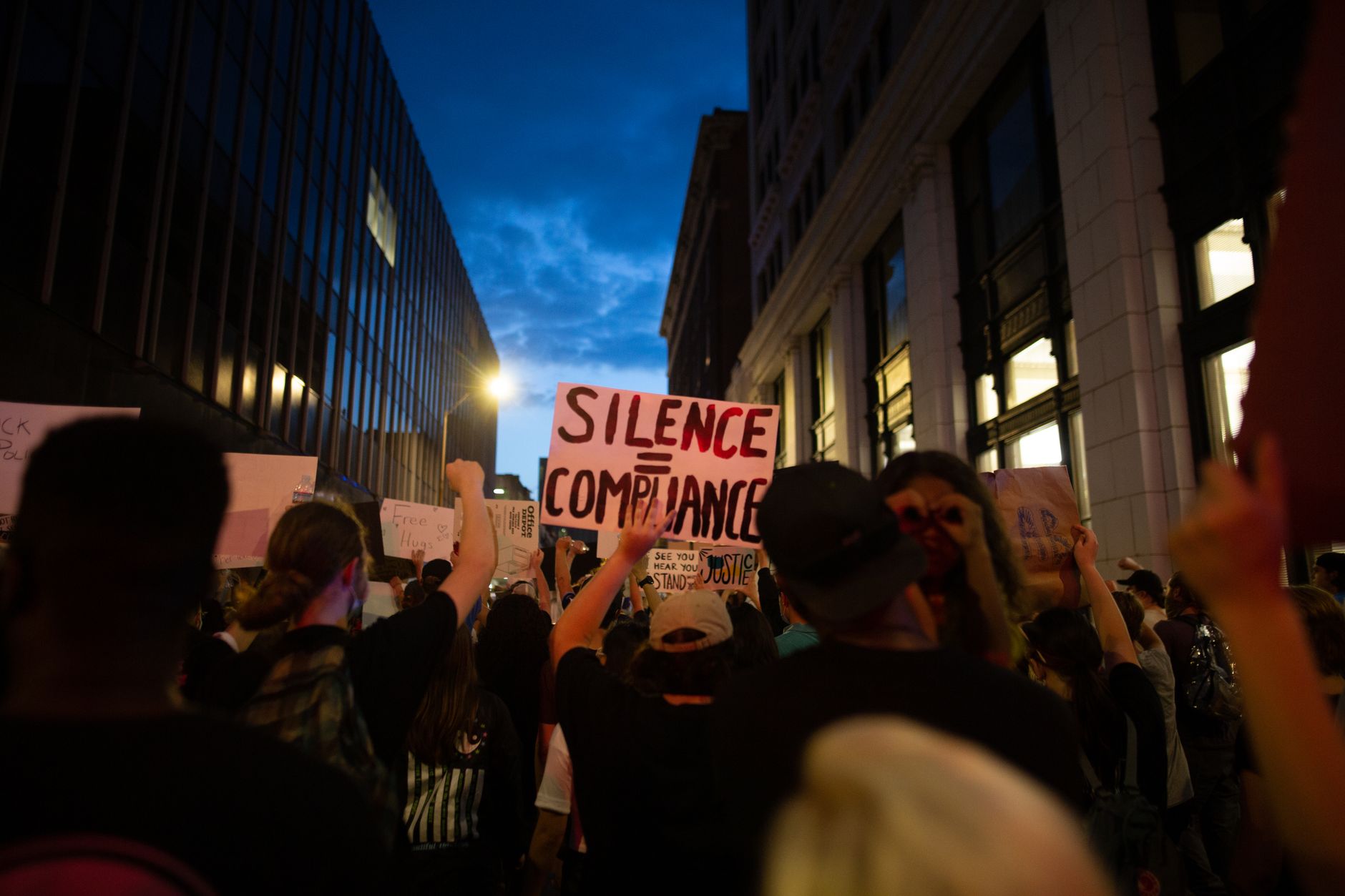
The city’s request for $2 million in exchange for access to records on Flock usage is seen by critics as an attempt to obfuscate the details surrounding the technology’s application. Activists and community members argue that transparency is essential in ensuring that law enforcement agencies are held accountable for their actions and the technologies they employ. They assert that it is the public’s right to know how surveillance tools are being used in their neighborhoods, especially when these technologies can capture sensitive data about innocent citizens.
Supporters of the Flock technology claim it is instrumental in reducing crime rates and assisting police in solving cases. They argue that the data collected can provide valuable insights and lead to quicker resolutions of criminal activities. Yet, the financial barrier imposed for access to this information has left many questioning whether the technology’s benefits outweigh the potential risks to privacy.
The situation has ignited a broader debate about the ethics of surveillance and the extent to which public agencies should be able to charge for access to records that, some believe, should be readily available to the public. As community members express their frustrations, calls for legislative action to govern the use of surveillance technologies and ensure transparency are growing louder.
In light of these developments, local advocacy groups are mobilizing to challenge the city’s decision and demand more accountability from law enforcement. They contend that public records should remain accessible without exorbitant fees, reinforcing the notion that citizens deserve insight into how their tax dollars are being spent, particularly in areas involving public safety and technology.
As the conversation surrounding Flock Safety and similar surveillance technologies evolves, it is clear that the intersection of law enforcement and technology will continue to be a focal point of public discourse, highlighting the need for a balance between security and individual rights. The outcome of this situation may set important precedents for how communities across the country navigate the challenges posed by modern surveillance tools.