The Cybertruck’s Demise Signals Positive Shifts for the EV Landscape
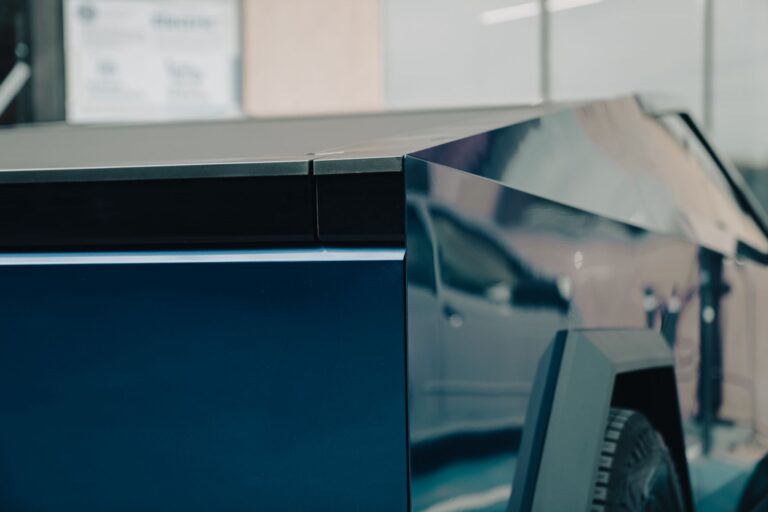
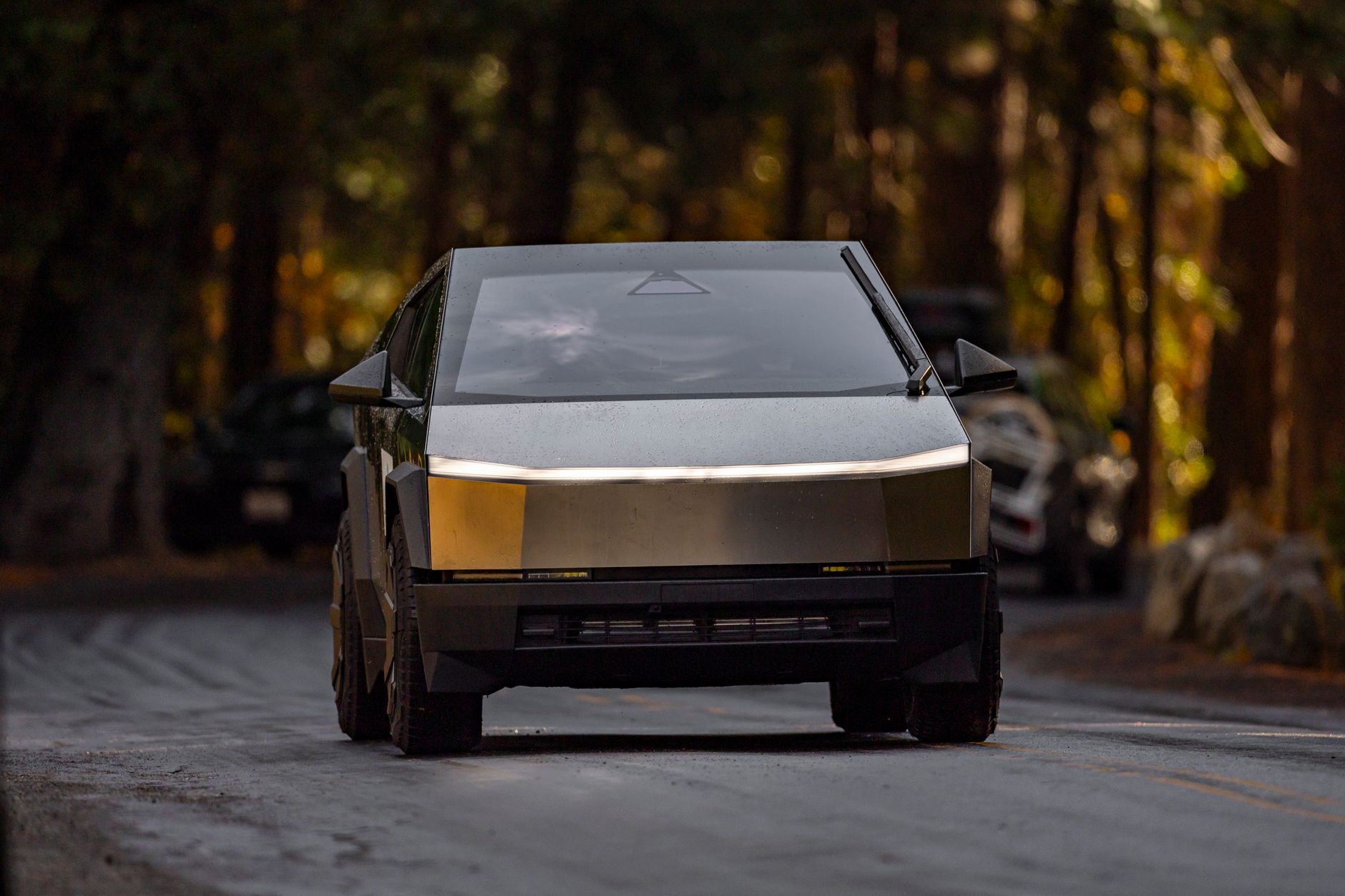
Tesla’s ambitious Cybertruck, a futuristic electric vehicle (EV) that captured significant attention, has officially been shelved, marking the second major model cancellation for the company within the past year. While some may see this as a setback in the electric vehicle market, industry experts argue it could pave the way for smaller, more efficient vehicles and ultimately bolster the United States battery supply chain.
The decision to halt production of the Cybertruck reflects a broader trend within the automotive sector. As consumer preferences evolve, there is a growing demand for compact and versatile EVs that can easily navigate urban environments. This shift presents an opportunity for manufacturers to focus on producing smaller vehicles that not only cater to consumer needs but also enhance the efficiency of battery production.
Smaller electric vehicles typically require less battery capacity compared to larger models, which can lead to reduced demand for raw materials. This is particularly significant when considering the ongoing challenges in securing supplies for lithium, cobalt, and nickel—key components in battery manufacturing. By prioritizing smaller EVs, automakers can help stabilize the supply chain, ensuring that resources are allocated more effectively and sustainably.
The cancellation of the Cybertruck aligns with the overall industry movement toward practicality and efficiency. As more automakers pivot to producing compact electric models, the market is witnessing an influx of choices designed for everyday use. These vehicles often come with lower price points and improved range, making them more accessible to a broader audience. This democratization of electric mobility could accelerate the transition away from fossil fuels, a crucial goal in the fight against climate change.
Additionally, the focus on smaller EVs may encourage more innovation in battery technology. As manufacturers adapt to the new demand, there could be advancements in developing lighter, more efficient batteries that can power smaller vehicles while minimizing environmental impact. Such progress could enhance the overall performance of electric cars and further reduce costs associated with EV ownership.
While the Cybertruck’s departure from the lineup might seem like a loss for Tesla, its impact on the EV ecosystem could be far-reaching. The shift away from larger, more complex vehicles not only aligns with consumer trends but also supports a more sustainable and resilient battery supply chain in the U.S. As the industry embraces smaller electric vehicles, it opens the door for new possibilities in clean transportation, ensuring a brighter future for the planet and its inhabitants.
In conclusion, the decline of the Cybertruck serves as a reminder that the electric vehicle landscape is constantly evolving. With a renewed focus on smaller, more practical models, the industry is poised to meet the demands of today’s drivers while simultaneously addressing critical supply chain challenges.