Bahrain Confirms Use of Patriot Missile System to Intercept Iranian Drone Over Residential Area
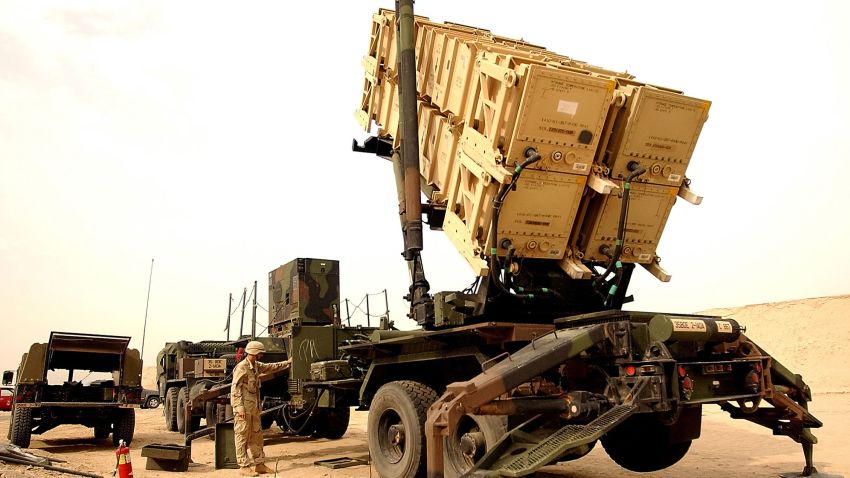
Bahrain’s government has confirmed that its Patriot missile defense system was deployed to intercept an Iranian drone flying over a residential neighborhood on March 9. The incident, which drew international attention, involved the attempted strike of an unmanned aerial vehicle (UAV) believed to be launched by Iran. This revelation comes amid heightened tensions in the Gulf region, where concerns over Iranian drone activity have increased significantly.
According to Bahraini officials, the Patriot system successfully engaged the drone before it could cause further damage. The drone reportedly flew over a densely populated area in Bahrain, leading to the injury of 32 civilians, including children who required urgent medical care. The precise details of the encounter have not been fully disclosed, but the government’s acknowledgment of the missile defense system’s role highlights Bahrain’s preparedness against aerial threats.
The U.S. military had previously described the March 9 incident as a deliberate Iranian drone strike targeting a residential neighborhood. The U.S. Central Command condemned the attack, emphasizing the threat posed by Iranian UAVs to regional security and civilian lives. The Patriot missile system, supplied to Bahrain by the United States, is designed to defend against incoming missiles and aircraft, and its use in this case underscores the strategic partnership between Bahrain and the U.S. in countering Iranian aggression.
Iran has not officially commented on the incident, though its drone program has been a source of concern for many Gulf Cooperation Council (GCC) countries. Iranian drones have been implicated in various attacks and surveillance operations across the Middle East, raising alarm among Arab states and their allies. Bahrain’s recent disclosure about the Patriot system’s involvement reflects growing efforts by GCC nations to bolster their air defense capabilities amid persistent regional threats.
The March 9 drone incident in Bahrain serves as a reminder of the ongoing security challenges faced by Gulf countries, particularly those with close ties to the United States. For the Arab-American community, which closely follows developments in the Middle East, the event highlights the complexities of regional geopolitics and the importance of robust defense mechanisms to protect civilian populations from unconventional warfare tactics.
In summary, Bahrain’s confirmation of the Patriot missile system’s interception of an Iranian drone demonstrates the escalating drone threat in the Gulf and the critical role of advanced defense technology in safeguarding communities. This episode further illustrates the volatile nature of regional relations and the need for continued vigilance among Arab states and their international partners.