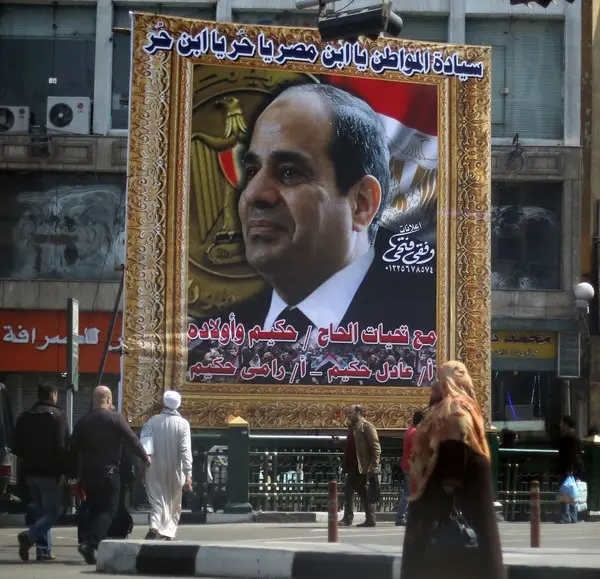
El-Sisi Declares Egypt in ‘State of Near-Emergency’ Due to Regional Conflict
CAIRO — Egyptian President Abdel Fattah El-Sisi has announced that the country is facing an economic “state of near-emergency” as a result of escalating conflicts in the Middle East. This declaration comes amid a broader regional crisis that threatens to destabilize Egypt’s economy, which is already grappling with significant inflationary pressures.
In recent remarks, El-Sisi indicated that while Egypt has not been directly affected by military actions between the United States and Israel, the ongoing tensions have had a profound impact on its economic landscape. The conflict has disrupted trade routes, particularly through the critical Strait of Hormuz, which is essential for the transportation of oil and other goods. As a result, neighboring Gulf countries, which have been targeted in the conflict, are facing economic challenges that could spill over into Egypt.
El-Sisi’s warning highlights the interconnected nature of the economies in the region and the potential for instability to ripple through neighboring nations. Egypt, the most populous country in the Arab world, relies heavily on trade and economic ties with its Gulf allies. The recent hostilities have raised concerns about the implications for tourism, investments, and remittances—key sectors that contribute to the Egyptian economy.
The president expressed particular concern over rising inflation rates, which have already begun to affect the cost of living for many Egyptians. Food prices, in particular, have surged, exacerbating the financial strain on households. El-Sisi urged citizens to remain resilient during these challenging times and emphasized the need for governmental measures to stabilize the economy.
In response to these economic challenges, the Egyptian government is exploring various strategies to mitigate the impact of the regional conflict. This includes bolstering domestic production, enhancing food security, and seeking new trade partnerships to diversify economic dependencies. El-Sisi has also called for increased cooperation among Arab nations to address shared economic vulnerabilities in light of geopolitical tensions.
As the situation in the Middle East continues to evolve, Egypt’s leadership remains vigilant, monitoring developments that could further impact its economy. The government is committed to implementing policies that not only address immediate challenges but also lay the groundwork for long-term economic stability.
In conclusion, as Egypt navigates this period of uncertainty, the focus will be on maintaining economic resilience while fostering regional cooperation. The Egyptian leadership is keenly aware of the delicate balance required to protect its economy from the fallout of external conflicts while ensuring the well-being of its citizens.