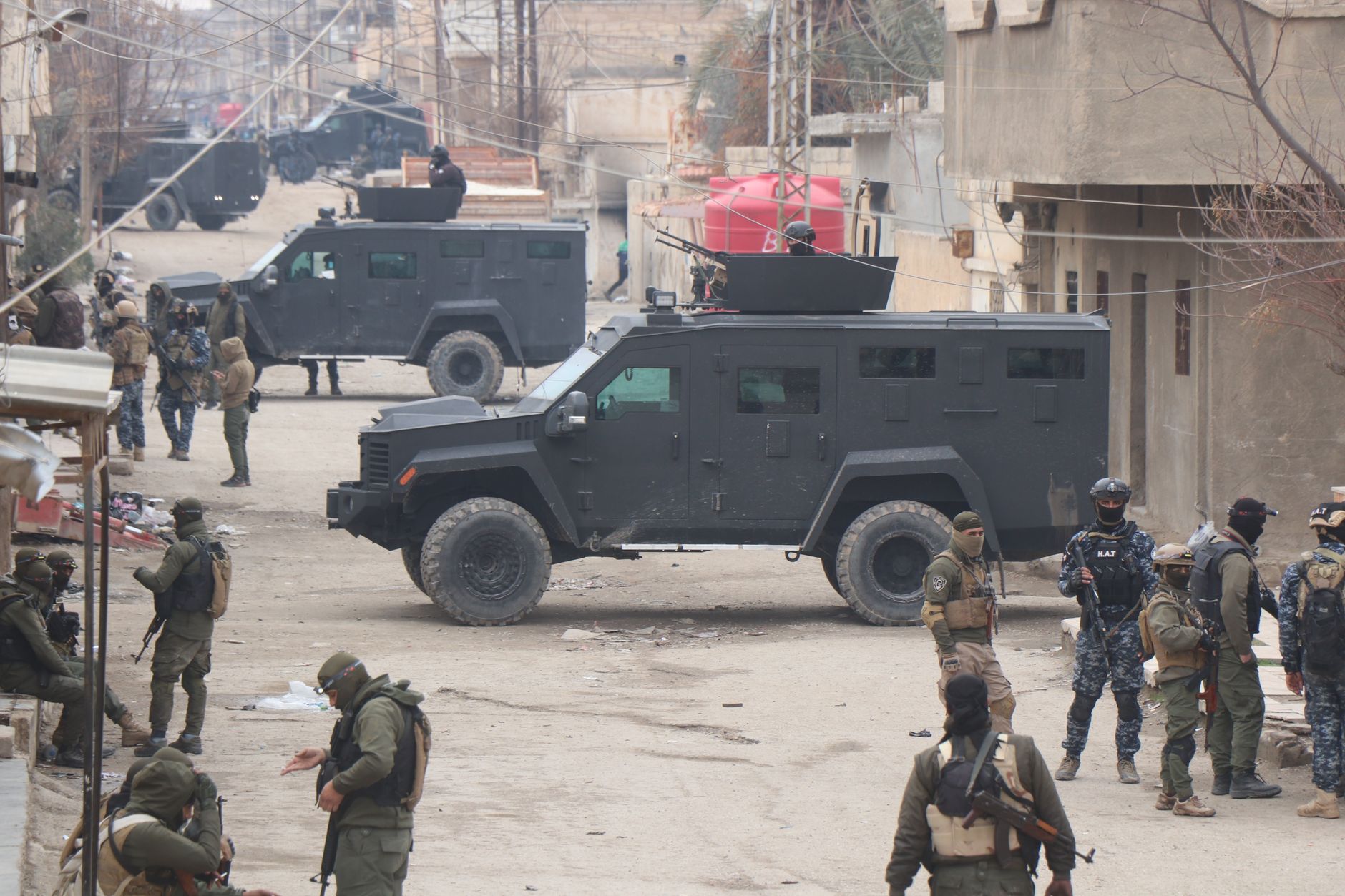
Syria Arrests Mihrac Ural, Former Militia Leader with Ties to Assad Regime
The Syrian government has announced the arrest of Mihrac Ural, a former militia leader with deep connections to President Bashar al-Assad’s regime. Ural, who was born in Turkey, has been a contentious figure, wanted by Turkish authorities for his alleged involvement in the devastating Reyhanli bombings in 2013. Additionally, he faces accusations from the Syrian government regarding his participation in various massacres along the Mediterranean coast.
Ural, who led the National Defense Forces (NDF) in the coastal region of Latakia, has been implicated in numerous human rights violations during Syria’s ongoing civil war. His group has been accused of committing atrocities against opposition groups and civilian populations, raising significant concerns among human rights organizations. The NDF, which has operated as a paramilitary force supporting the Syrian government, has often been engaged in violent confrontations with both rebel factions and Kurdish forces throughout the conflict.
The Reyhanli bombings, which resulted in the deaths of over 50 people, marked a significant escalation in violence in Turkey’s southern border region. Turkish authorities have long sought to hold Ural accountable for his alleged role in orchestrating the attacks, which were attributed to the Syrian civil war’s spillover effects. The Turkish government has described Ural as a key player in a network of individuals linked to the Assad regime who have acted against Turkish interests.
The recent arrest comes amidst heightened tensions in the region and ongoing efforts by the Syrian government to consolidate power. Analysts suggest that Ural’s capture could be a strategic move by Assad’s administration to demonstrate its commitment to addressing internal security issues, as well as to manage relationships with neighboring countries, particularly Turkey.
In recent years, Ural had become a polarizing figure in both Syria and Turkey, seen by some as a defender of the Assad regime while viewed by others as a perpetrator of violence. His arrest could potentially lead to further investigations into his activities and the broader operations of militias in Syria.
Furthermore, this development raises questions about the future of Syrian-Turkish relations, particularly at a time when both nations are grappling with the consequences of prolonged conflict. The situation remains fluid, and the implications of Ural’s arrest for regional stability and security will likely unfold in the coming weeks.
This event highlights the intricate web of alliances and enmities that characterize the Syrian conflict, with figures like Ural playing pivotal roles in shaping the ongoing narrative. As the situation develops, it will be crucial for both local and international observers to monitor the reactions from various stakeholders involved in the complex dynamics of the region.