Vance Describes Trump’s Urgency for Progress in Iran Negotiations
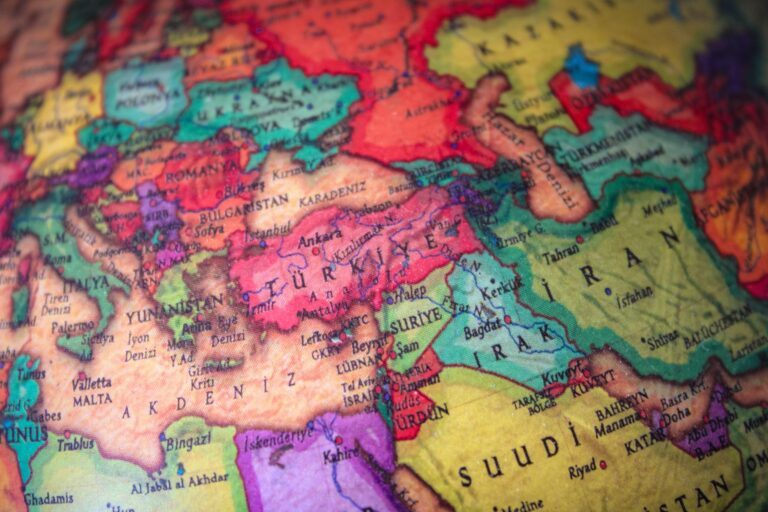
During a recent event in Budapest, U.S. Vice President JD Vance articulated President Donald Trump’s sense of urgency regarding the ongoing negotiations aimed at ending conflict with Iran. Vance emphasized that Trump is keen to see tangible progress and has directed his negotiating team to approach discussions with Iran earnestly.
Vance’s comments reflect the administration’s belief that a diplomatic resolution is attainable if both sides demonstrate a willingness to engage constructively. “A deal is possible if Iran negotiates sincerely,” Vance stated, underscoring the importance of good-faith dialogue. However, he also expressed concern about the divided nature of the Iranian political landscape, noting that while some factions appear willing to engage positively, others remain resistant to negotiations.
The Vice President characterized the current state of affairs as a “fragile truce,” highlighting the complexities involved in reaching a lasting agreement. This assessment points to the ongoing challenges that the U.S. faces in its efforts to stabilize relations with Iran, a nation that has historically been a contentious player in the Middle East.
Vance’s remarks come at a time when international attention is focused on Iran’s nuclear program and its broader regional influence. The Biden administration, which Vance is part of, has been under pressure to address these issues diplomatically, particularly in light of escalating tensions in the region.
The Vice President’s visit to Hungary is part of a broader diplomatic effort to strengthen U.S. ties with European allies as they collectively address security concerns related to Iran and other geopolitical challenges. This trip signifies the administration’s commitment to fostering alliances that can facilitate progress in negotiations and improve stability in the region.
As discussions continue, observers are keen to see how the dynamics within Iran will influence the negotiation process. Vance’s acknowledgment of the mixed signals from Iranian leadership reflects the intricate nature of international diplomacy, where internal politics can significantly impact external negotiations.
The outcome of these talks could have far-reaching implications not only for U.S.-Iran relations but also for the stability of the broader Middle East region. The commitment to engage with Iran, while navigating the complexities of its political landscape, will be crucial in determining the future trajectory of these negotiations.
In conclusion, Vice President Vance’s statements highlight a pivotal moment in U.S. foreign policy toward Iran, emphasizing both the potential for progress and the significant challenges that lie ahead. As the administration moves forward, the hope remains that a sincere effort from both sides can lead to a diplomatic resolution and a more peaceful future.