Italy Requests Explanation from Israeli Ambassador Following Gunfire Incident in Lebanon
Italy’s government has formally summoned the Israeli ambassador to provide clarification regarding an incident involving gunfire directed at an Italian convoy operating as part of a United Nations mission in Lebanon. The event has raised significant concerns among Italian officials, prompting a strong response from the Italian Foreign Minister, who emphasized that Israeli forces do not have the authority to engage with Italian troops.
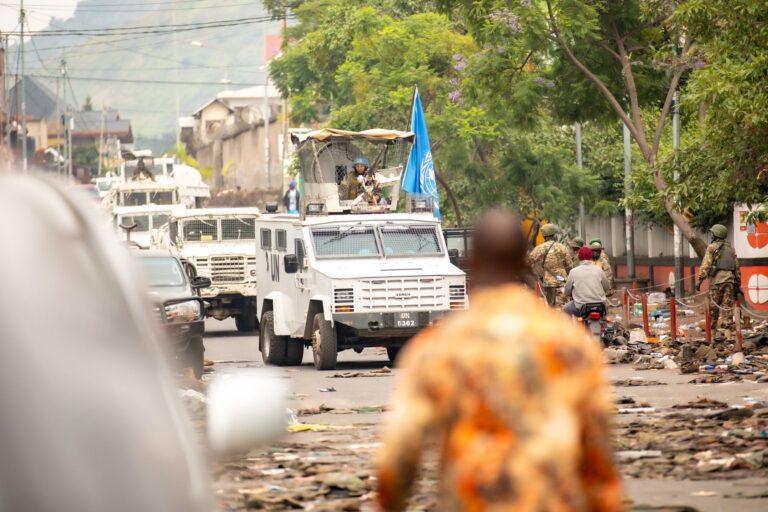
The Italian contingent is part of the United Nations Interim Force in Lebanon (UNIFIL), which is tasked with maintaining peace and security in southern Lebanon, particularly along the sensitive demarcation line with Israel. This region has been a flashpoint for conflict, witnessing frequent confrontations between Israeli forces and Hezbollah, the Iran-backed militant group based in Lebanon. The presence of UNIFIL is crucial for monitoring these hostilities and ensuring the safety of the civilian population in the area.
In a statement, the Foreign Minister reiterated Italy’s commitment to its peacekeeping mission and underscored the importance of protecting its personnel deployed abroad. The minister’s remarks reflect the seriousness with which Italy views the incident, highlighting the potential for escalating tensions in an already volatile region. Italian officials have called for a thorough investigation into the circumstances surrounding the gunfire, which could potentially threaten the safety of their troops.
The incident has prompted discussions about the broader implications for international peacekeeping operations in Lebanon. Italy has been a significant contributor to UNIFIL since its inception, and any actions that jeopardize the safety of its forces could lead to a reevaluation of its commitment to the mission. Observers note that the relationship between Italy and Israel is generally cooperative, but such incidents can strain diplomatic ties, particularly in the context of ongoing conflicts in the region.
As the situation unfolds, Italy is expected to maintain communication with both the Israeli government and UNIFIL leadership to ensure that appropriate measures are taken to prevent future incidents. The Italian public and the international community are closely monitoring the developments, as the potential for increased tensions in southern Lebanon remains a concern for regional stability.
In conclusion, the summoning of the Israeli ambassador marks a significant diplomatic response from Italy, underscoring the importance of accountability and safety for peacekeeping forces in conflict zones. The outcome of this situation may have ramifications not only for Italian military presence in Lebanon but also for the broader dynamics of international peacekeeping efforts in the region.