US Republicans Prevent Democratic Efforts to Limit Trump’s Military Authority on Iran
In a significant political maneuver, Republican members of the U.S. House of Representatives recently thwarted a Democratic initiative aimed at curtailing military actions against Iran. This action underscores the ongoing tensions surrounding presidential war powers and the broader implications of U.S. foreign policy in the Middle East.
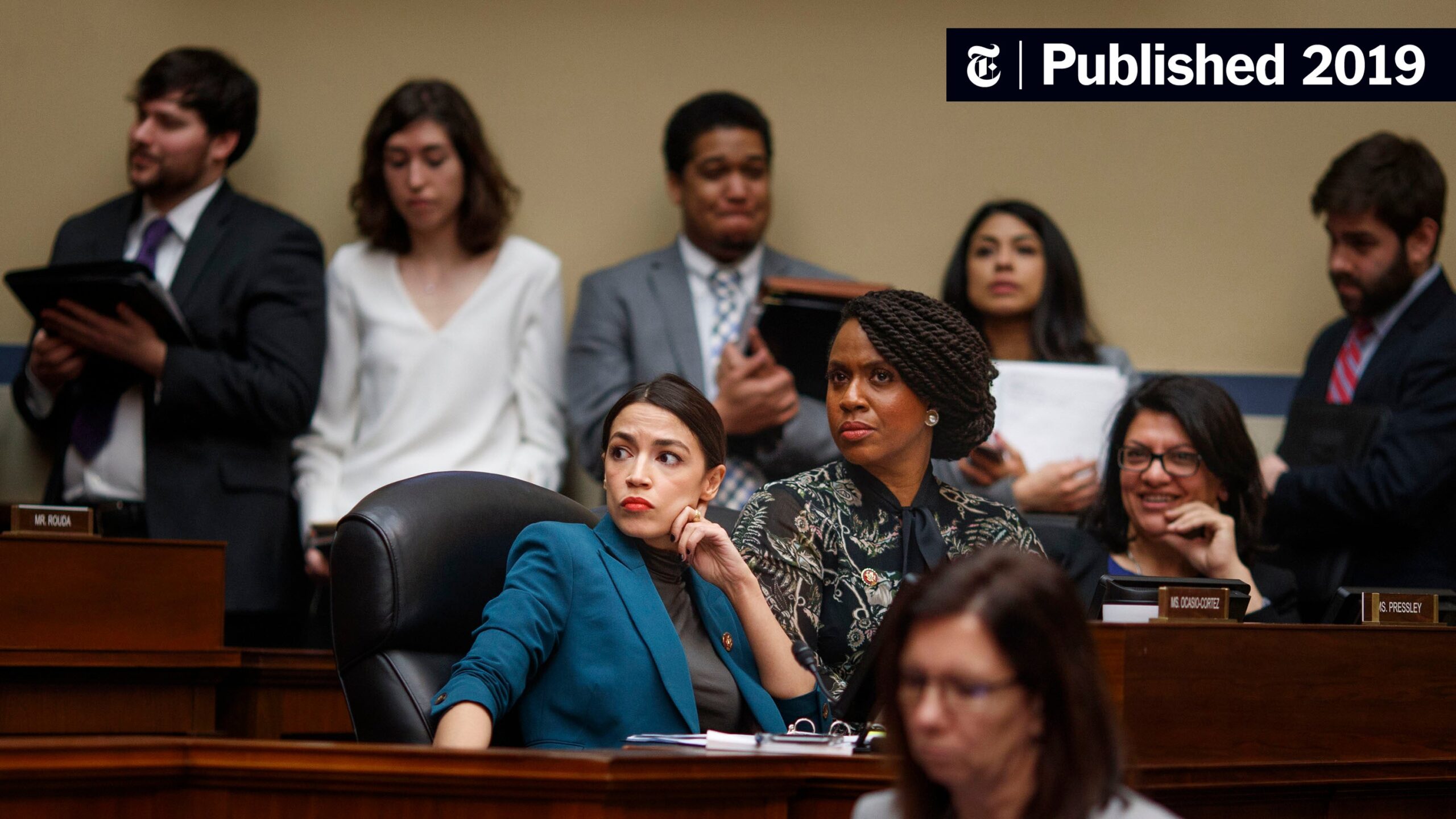
During a pro forma session on Thursday, Representative Chris Smith of New Jersey, a Republican, presided over the abbreviated meeting, which concluded abruptly before Democrats could present their resolution seeking to end military strikes against Iran. The Democrats had intended to use a unanimous consent procedure to advance their proposal, but the Republican majority effectively halted the process.
The resolution aimed to restrict the administration from conducting unauthorized military operations against Iran, highlighting concerns among Democrats regarding the potential for escalating conflict in the region. This move reflects a growing apprehension among certain lawmakers about President Donald Trump’s approach to Iran, particularly following a series of military engagements that have raised questions about the limits of executive power.
The Republican majority’s decision to block the resolution is indicative of the party’s steadfast support for Trump’s foreign policy decisions, which have often favored a more aggressive posture towards Iran. This dynamic has fostered a political climate where discussions about war powers and military engagement are increasingly contentious. Critics argue that the unchecked ability of the president to initiate military actions without congressional approval poses a significant risk, both to international stability and to the U.S. military presence abroad.
Democrats, on the other hand, have been vocal in their opposition to what they perceive as an overreach of presidential authority when it comes to military interventions. They argue that Congress has the constitutional responsibility to declare war and should play a critical role in decisions that could lead to armed conflict.
The impasse over military authority comes at a time when tensions between the U.S. and Iran remain high. Various incidents, including military exchanges and sanctions, have contributed to a fraught relationship, raising concerns among lawmakers about the potential for a broader conflict.
As the political landscape evolves, the debate over war powers is expected to persist, with both parties likely to continue advocating for their respective positions. The recent events in the House illustrate the complexities of American foreign policy and the challenges of achieving bipartisan consensus on issues of national security, particularly in a polarized political environment.
This latest episode serves as a reminder of the ongoing struggle within U.S. politics regarding the balance of power between the executive branch and Congress, especially in matters that could lead to military engagement in volatile regions like the Middle East.