Tensions Escalate in the Middle East Following Failed US-Iran Talks
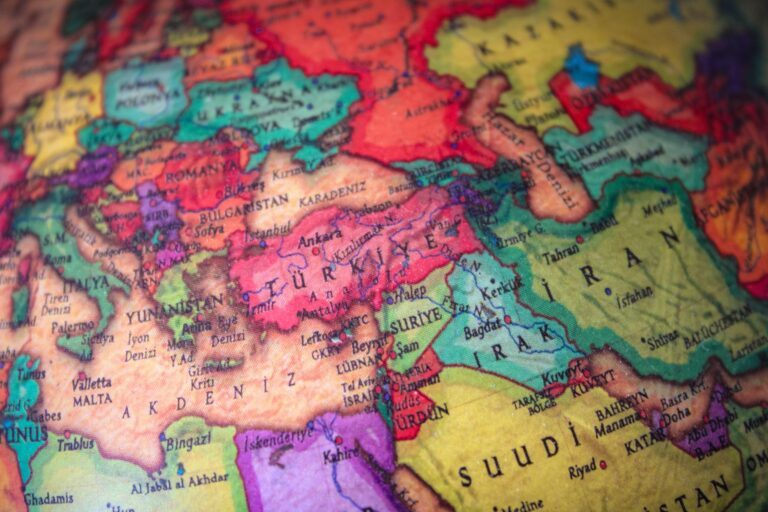
A wave of anxiety has swept through the Middle East as diplomatic efforts between the United States and Iran have stalled, heightening fears of potential conflict in an already volatile region. After over 20 hours of negotiations in Islamabad, US Vice President JD Vance acknowledged that significant differences between the two nations remain unresolved, leaving many observers concerned about the implications for regional stability.
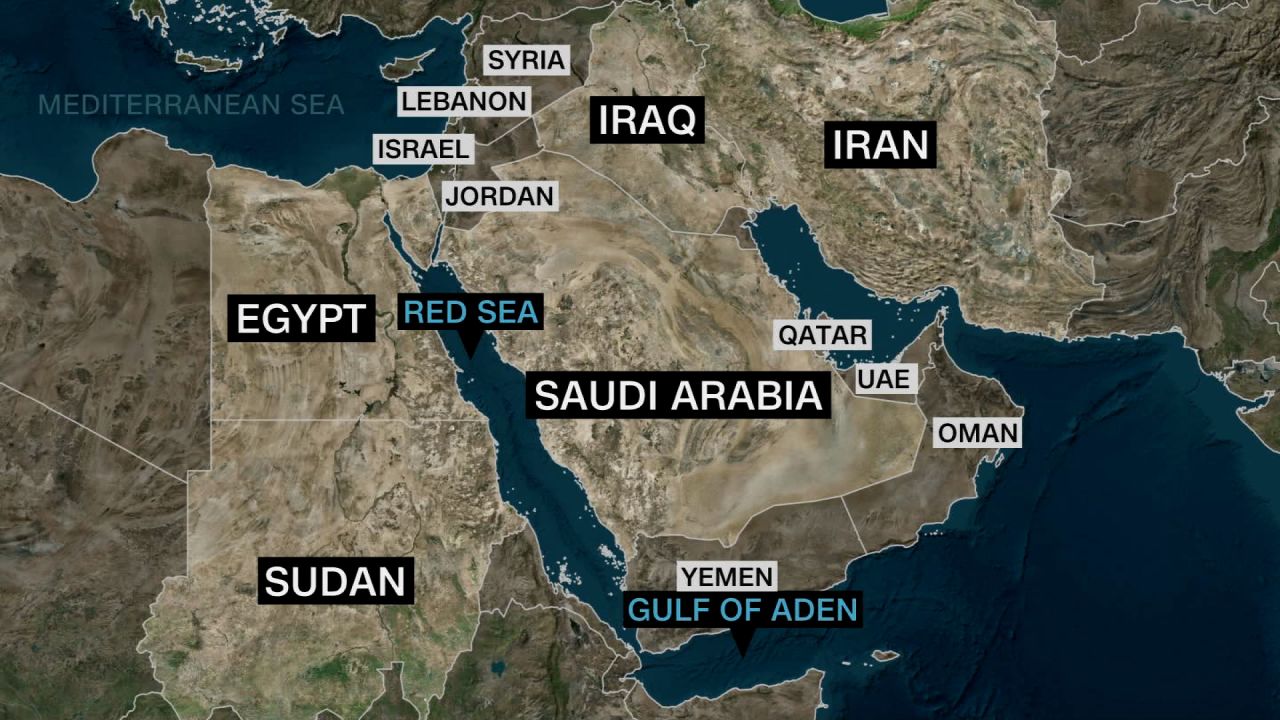
The discussions, which aimed to address longstanding tensions and foster dialogue, ultimately ended without progress. This breakdown in communication not only exacerbates existing fears but also raises the specter of renewed military engagements, particularly as the US moves to bolster its naval presence in the area. Former President Donald Trump has recently ordered a naval blockade of the strategically critical Strait of Hormuz, a vital waterway for global oil transport. This decision has drawn sharp criticism and heightened concerns among various stakeholders in the region.
Local leaders and analysts are sounding alarms about the potential repercussions of these developments. The Strait of Hormuz is a key shipping route through which a significant portion of the world’s oil supply is transported. Any military escalation could disrupt these vital trade routes, leading to economic ramifications not just for the countries directly involved, but for the global economy as a whole.
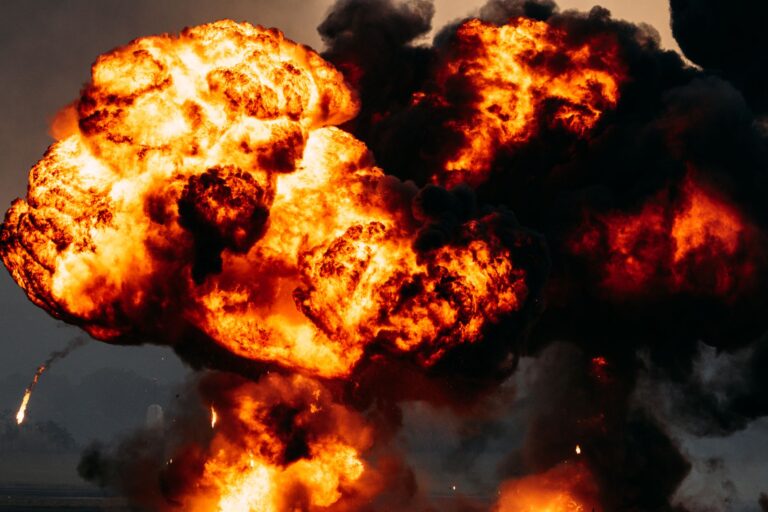
Communities across the Middle East are bracing for the uncertainties that lie ahead. The breakdown of talks has reignited fears of military engagement, which could have devastating effects on civilian populations already facing economic hardships and instability. Humanitarian considerations are at the forefront of many discussions, as communities worry about the potential for increased violence and its impacts on everyday life.
In light of these developments, regional leaders are calling for renewed efforts toward dialogue. Many argue that diplomatic engagement is essential to de-escalate tensions and avoid a conflict that could spiral out of control. The international community has also expressed concern, with various nations urging both the United States and Iran to return to the negotiating table.
As the situation evolves, the need for comprehensive solutions that prioritize peace and stability becomes increasingly urgent. The Middle East has a long history of conflict, and the stakes are high as nations grapple with the implications of failed diplomacy. The coming days and weeks will be critical as the region watches closely for any signs of escalation or a potential return to negotiations.