Lebanon PM Advocates for Israeli Troop Withdrawal Amid Ongoing Conflict
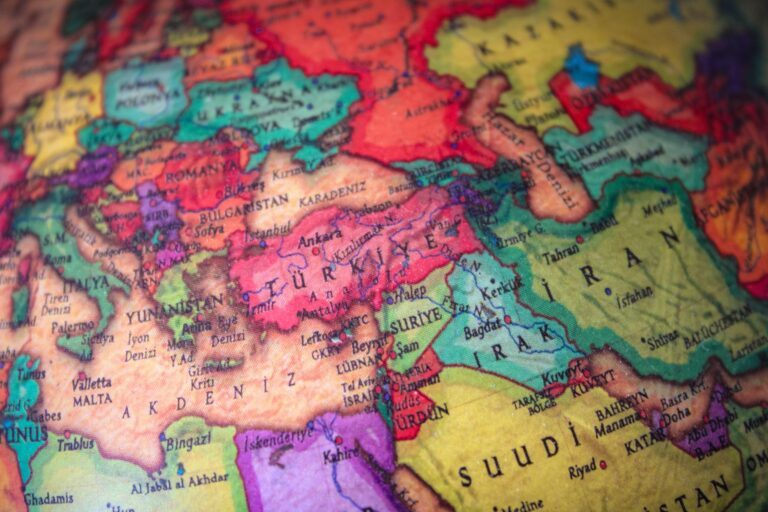
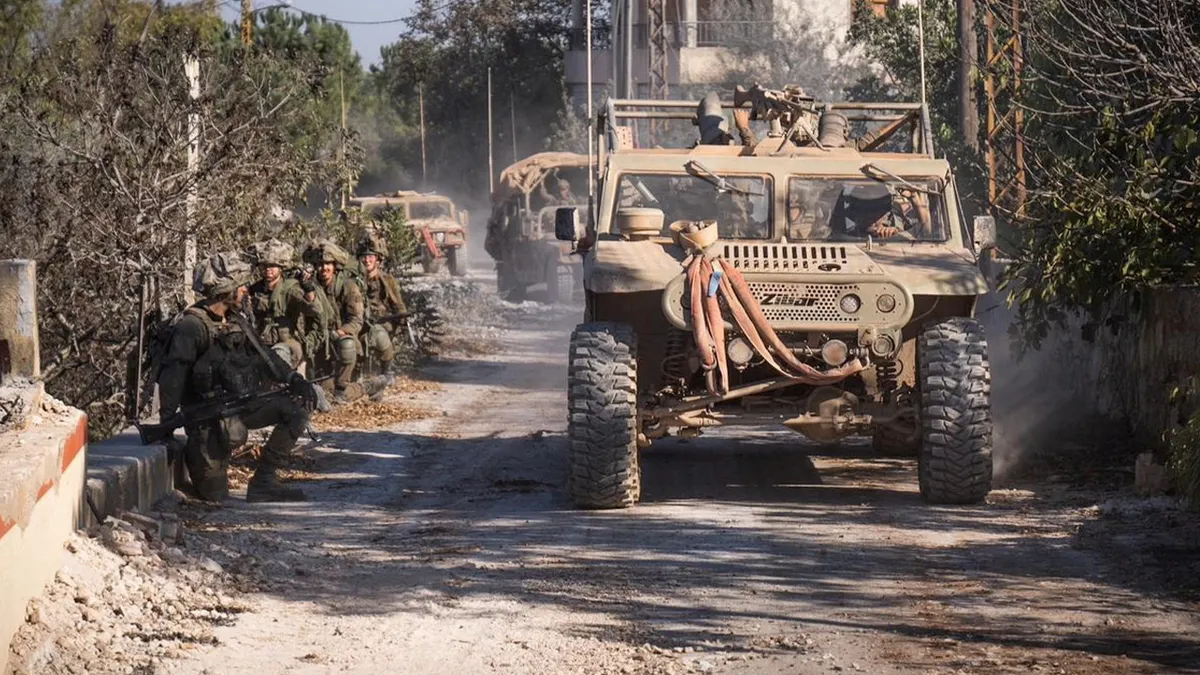
Lebanese Prime Minister Nawaf Salam has expressed his commitment to negotiating an end to the ongoing conflict between Israel and Hezbollah. On Sunday, he emphasized his government’s efforts to facilitate discussions aimed at securing a withdrawal of Israeli forces from southern Lebanon. This announcement comes against a backdrop of escalating tensions, with Israeli Prime Minister Benjamin Netanyahu asserting that military operations in the region are far from concluded.
The situation in southern Lebanon has become increasingly dire, with reports of casualties among humanitarian workers. The Lebanese Red Cross confirmed that one of its paramedics was killed during a mission in the area. The organization stated that its team was engaged in humanitarian efforts when they were “directly targeted by an Israeli drone,” despite their vehicles and personnel clearly displaying the Red Cross emblem, which is intended to signify their neutrality and protection under international law.
Prime Minister Salam’s remarks underscored the urgent need for a ceasefire and the protection of civilians caught in the crossfire. He reiterated the importance of dialogue to prevent further loss of life and to restore stability in the region. “Our goal is to find a peaceful resolution that respects Lebanon’s sovereignty and the rights of its people,” Salam stated during a press conference.
In contrast, Netanyahu’s statements to Israeli troops indicated a commitment to continue military operations until specific objectives are met. He stated that the fight against Hezbollah would persist, emphasizing the necessity of maintaining security for Israel. This conflicting narrative between the two leaders highlights the complexity of the current geopolitical landscape and the challenges facing diplomatic efforts.
As the situation remains fluid, the humanitarian implications continue to grow. The Lebanese Red Cross and other organizations are calling for immediate access to provide aid to civilians affected by the violence. They stress the importance of respecting international humanitarian laws that protect medical personnel and facilities during armed conflicts.
Local communities in Lebanon are bracing for the potential escalation of hostilities, with many residents expressing fears about the safety of their families and the stability of their neighborhoods. The ongoing war has already resulted in widespread displacement and destruction, and the prospect of further military engagement raises concerns about the longer-term impacts on the region.
As diplomatic efforts unfold, the international community remains watchful, urging both parties to prioritize dialogue and peaceful resolution to avoid further escalation. The situation serves as a stark reminder of the complexities involved in regional conflicts and the urgent need for a humanitarian response to protect vulnerable populations caught in the midst of war.