Trump Posts AI Image of Himself as Jesus-Like Figure, Sparking Controversy
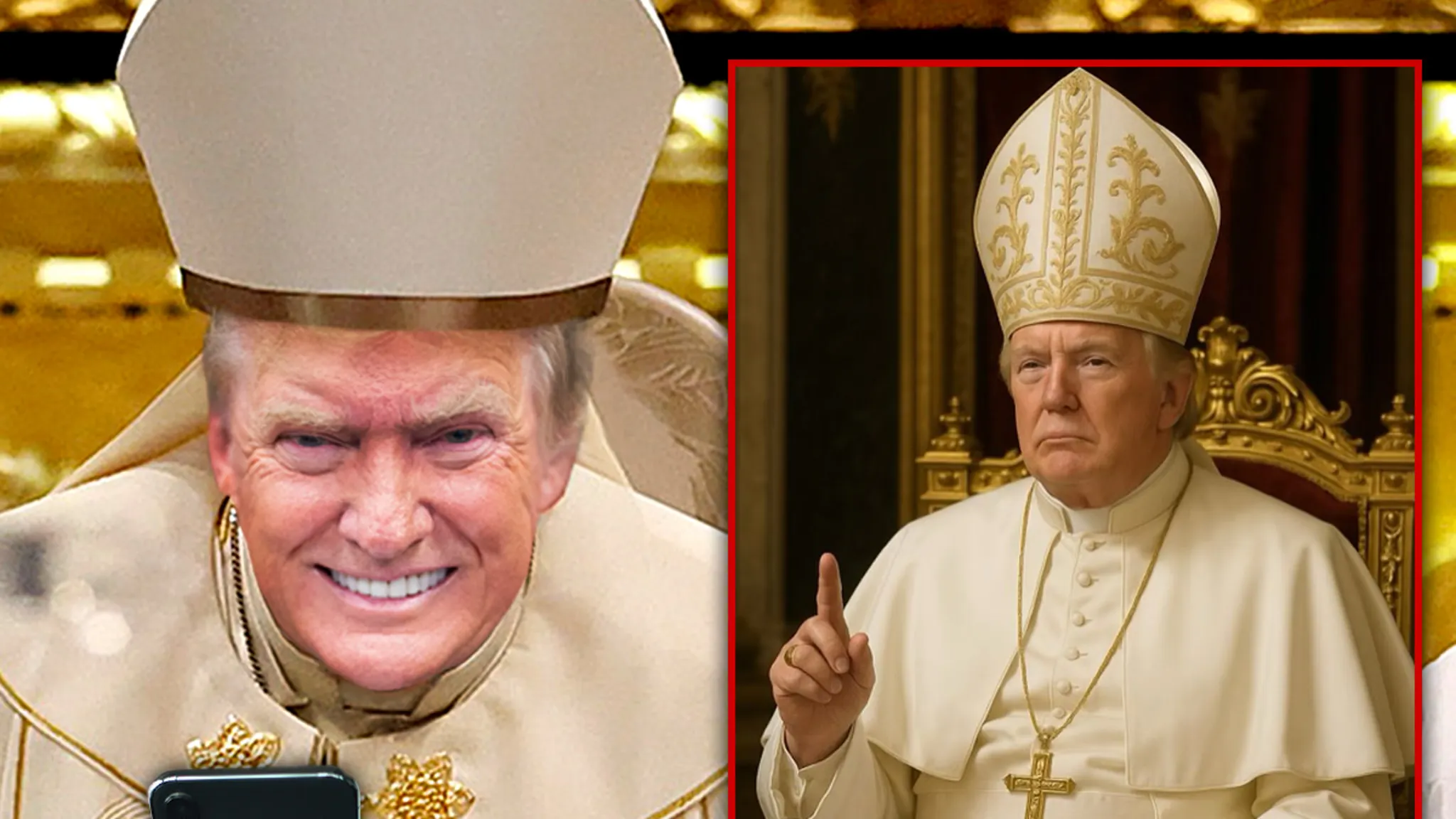
Former President Donald Trump recently stirred significant backlash after sharing an AI-generated image depicting himself as a Jesus-like figure. The post, which appeared on his social media platform, has drawn criticism from various quarters, including some of his staunchest supporters within the religious conservative community.
The controversial image was posted on a Sunday, a day traditionally associated with worship for many Christians. This timing has heightened the sensitivity surrounding the content, as it juxtaposes the reverence typically afforded to religious figures with Trump’s political persona. The image quickly attracted attention online, leading to a wave of disapproval from users across social media platforms.
Many critics expressed their outrage over what they viewed as an inappropriate and blasphemous portrayal. The response included condemnation from individuals who previously supported Trump and aligned with his political views. For some, the image was seen as diminishing the significance of Jesus in Christian faith and tradition. This reaction underscores the delicate balance Trump must maintain with his base, particularly among those who hold strong religious beliefs.
After facing mounting criticism, Trump removed the post the following day, yet the fallout from the incident continued. The decision to share such provocative imagery has raised questions about the former president’s judgment and his understanding of the boundaries between political expression and religious sentiment. Observers noted that this incident could have implications for Trump’s support among evangelical voters, a crucial demographic in his political base.
The incident also highlights the growing influence of artificial intelligence in shaping public perceptions and narratives. As AI-generated content becomes more prevalent, the lines between reality and digital manipulation can blur, prompting discussions about accountability and authenticity in the digital age.
In the aftermath of the post, Trump’s team has not issued a formal statement addressing the controversy, leaving many to speculate about the motivations behind his decision to share the image in the first place. As the 2024 presidential election approaches, this event may resonate with voters who are increasingly concerned about the intersection of faith and politics.
In a broader context, the incident raises important questions about the role of social media in political discourse and the responsibility of public figures to engage with their audiences thoughtfully. As discussions continue around the appropriateness of using AI tools for political messaging, the implications of such actions remain a topic of interest for many, particularly within communities that value both faith and political engagement.