Displaced Lebanese Hesitant to Return Home Amid Uncertain Ceasefire
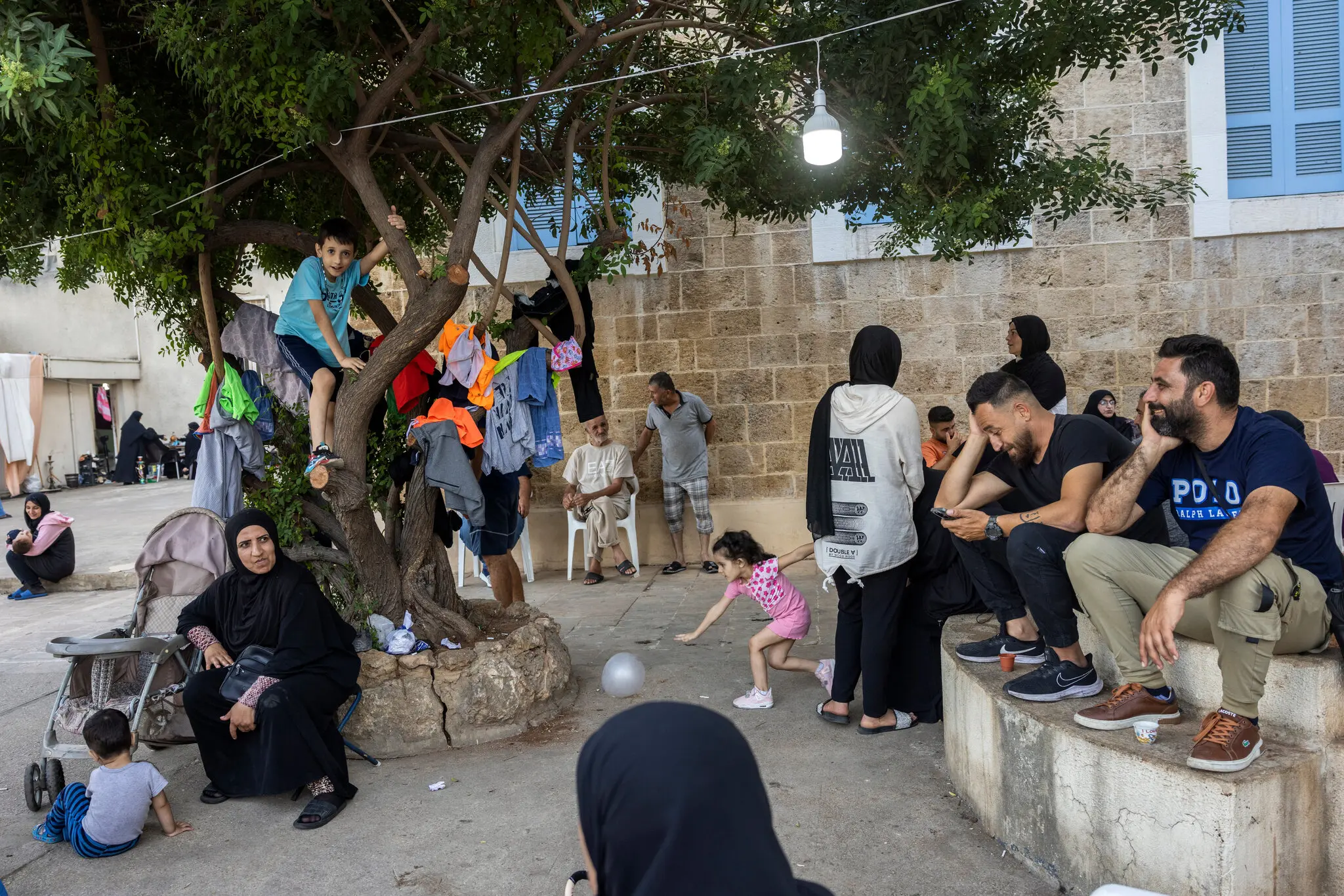
As the ceasefire in Lebanon holds, many displaced residents are grappling with the decision of whether to return to their homes or remain in temporary shelters. Among them is Samah Hajoul, a mother of four, who recently returned to her apartment in southern Beirut only to collect essential belongings. However, the sense of security she sought was fleeting, and she quickly opted to return to her tent on the seafront, where she feels safer.
Hajoul expressed her concerns about the stability of the truce, stating, “I am afraid to return to my home because the situation is not stable yet.” Her sentiments reflect a widespread apprehension among displaced individuals who have endured the chaos and violence that has gripped the region.
The ceasefire, although welcomed, has not entirely alleviated fears among those who have been uprooted from their lives. Many displaced families are hesitant to return to their neighborhoods, where destruction and uncertainty still loom. Reports indicate that while the ceasefire has created a brief respite, the underlying tensions that sparked the violence remain unresolved.
For those who have fled their homes, the experience of displacement has been traumatic. Families have suffered not only the loss of their physical homes but also the emotional toll of uncertainty and fear. Conditions in temporary shelters vary, but many lack basic necessities, leading to additional stress for those who have already endured so much.
Humanitarian organizations continue to provide assistance to displaced families, offering food, medical care, and support services. However, the need for a long-term solution remains pressing. Community leaders and advocates are calling for sustained efforts to ensure a stable environment that allows families to return safely and rebuild their lives.
Local residents are also concerned about the potential for future violence, as many feel that the ceasefire is fragile. Observers note that political negotiations are essential for a lasting peace, and the international community’s role in supporting dialogue and reconciliation will be crucial moving forward.
As families like Hajoul’s weigh their options, the desire to return home is tempered by the reality of an unstable situation. The hope for a return to normalcy hangs in the balance, as many continue to wait and see if the ceasefire will lead to lasting peace or if further conflict lies ahead.