Turkey Hosts Kuwaiti FM as UAE’s OAPEC Exit Fuels Gulf Rift
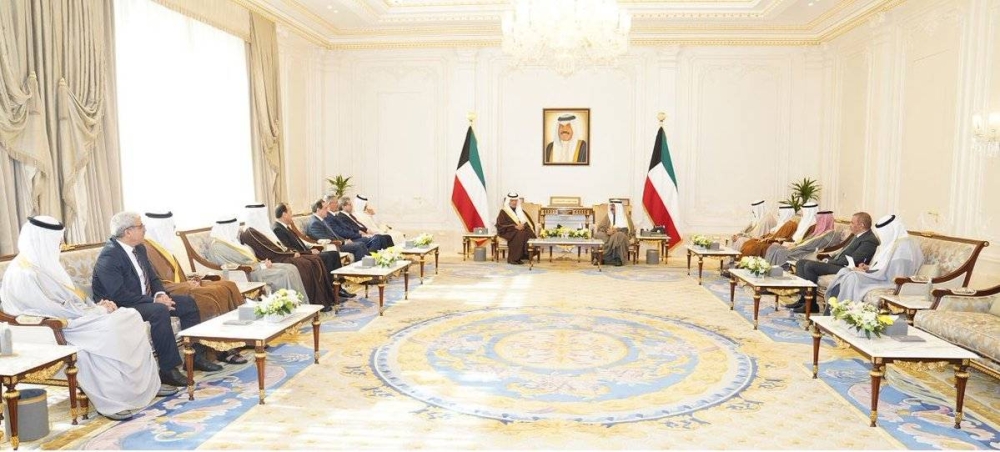
In the midst of escalating tensions in the Gulf region, Turkey welcomed Kuwait’s Foreign Minister, Sheikh Salem Abdullah al-Jaber al-Sabah, for discussions aimed at strengthening bilateral relations. This visit comes at a pivotal moment as the United Arab Emirates (UAE) recently announced its withdrawal from the Organization of Arab Petroleum Exporting Countries (OAPEC), a move that has further complicated the already strained dynamics among Gulf states.
The UAE’s exit from OAPEC, coupled with its earlier departure from the Organization of the Petroleum Exporting Countries (OPEC), has raised concerns about the future of cooperation in the region. Analysts suggest that these developments might be indicative of the UAE’s intention to assert greater independence in its energy policy, potentially leading to a deeper rift among Gulf nations.
The meeting between Kuwait’s top diplomat and Turkish officials underscores Ankara’s strategic position in navigating these complex relationships. Turkey has historically maintained good ties with both Saudi Arabia and the UAE, but the recent geopolitical shifts have put Turkey in a delicate balancing act. The Turkish government has expressed its desire to foster unity among Gulf states, but the growing divide poses challenges to this goal.
During the talks, both countries emphasized the importance of enhancing cooperation in various sectors, including trade, investment, and security. Sheikh Salem highlighted Kuwait’s commitment to regional stability and expressed hope that diplomatic dialogue could help resolve ongoing tensions. Turkey’s Foreign Minister, Mevlüt Çavuşoğlu, reiterated Ankara’s readiness to mediate and facilitate discussions among Gulf nations to promote collaboration.
The backdrop of this diplomatic engagement is marked by the shifting alliances within the Gulf Cooperation Council (GCC). The UAE’s recent actions have drawn criticism and concern from other member states, particularly Saudi Arabia, which fears that the UAE’s growing assertiveness might undermine collective regional approaches to energy and security.
As the situation evolves, observers are closely monitoring how the dynamics among Gulf states will unfold and what role Turkey will play in this changing landscape. The potential for increased cooperation between Kuwait and Turkey may provide a stabilizing influence, but the fundamental rifts within the GCC will require sustained dialogue and diplomatic efforts to mend.
In conclusion, the meeting between Turkey and Kuwait signals a proactive approach to fostering regional partnerships amidst an increasingly fragmented Gulf landscape. As the UAE’s departure from OAPEC reverberates through the region, the importance of diplomacy and constructive engagement cannot be overstated in efforts to restore unity among Gulf nations.