Xi Jinping Urges Maintenance of Free Navigation in the Strait of Hormuz During Call with Saudi Crown Prince
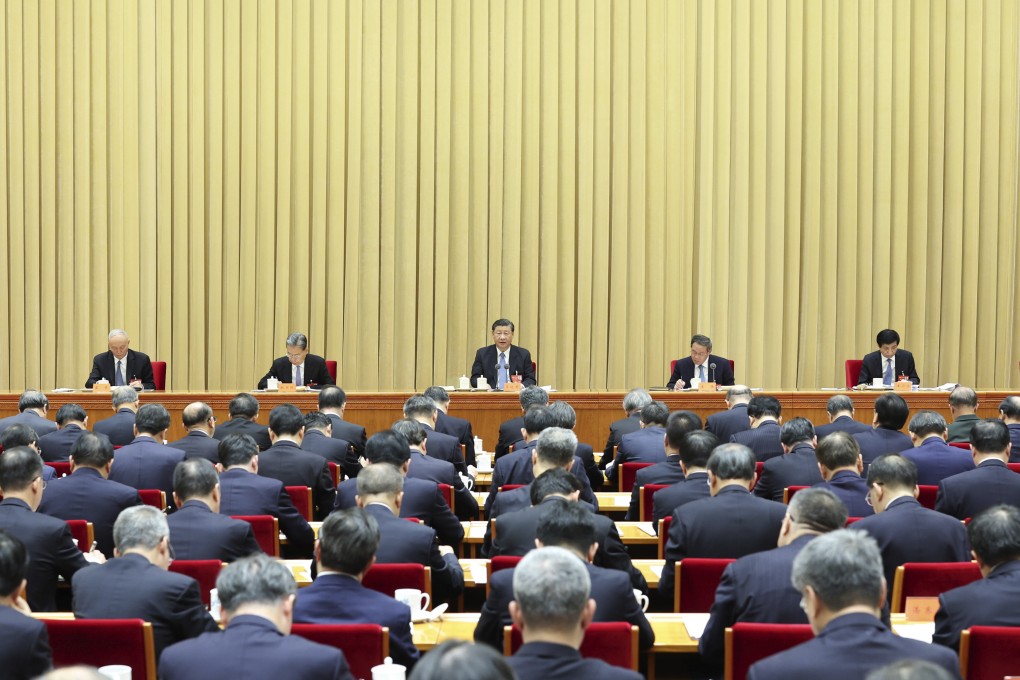
In a recent phone conversation, Chinese President Xi Jinping emphasized the importance of ensuring the safety and normal passage of maritime vessels through the Strait of Hormuz. This dialogue took place with Saudi Crown Prince Mohammed bin Salman amidst rising tensions and instability in the region, particularly concerning ongoing hostilities between the U.S. and Iran.
The Strait of Hormuz, a critical maritime passage for global oil shipments, has become a focal point of international concern as geopolitical dynamics shift. President Xi’s call reflects China’s growing interest in stability in this vital area, especially as it seeks to play a more significant role in mediating conflicts in the Middle East.
Recent events have heightened anxieties over the security of the Strait. A ceasefire agreement between the U.S. and Iran, which had previously provided a degree of calm, has come under pressure following the U.S. seizure of an Iranian cargo ship. This incident has exacerbated tensions and led Iran to signal a reluctance to engage in new peace negotiations at this time.
China, which relies heavily on energy imports and has significant economic ties to both Saudi Arabia and Iran, is keen on fostering an environment conducive to free trade and navigation. During the call, Xi reiterated his commitment to working with Saudi Arabia to promote regional stability and security, highlighting the broader implications of continued unrest for international shipping and energy markets.
Crown Prince Mohammed bin Salman echoed these sentiments, stressing the necessity for collaborative efforts to safeguard maritime routes and ensure the uninterrupted flow of goods. Both leaders acknowledged the critical nature of the Strait of Hormuz, through which a substantial portion of the world’s oil supply transits daily.
The conversation between Xi and the Crown Prince is part of a larger strategy by China to enhance its diplomatic influence in the Middle East, a region that has traditionally been dominated by U.S. involvement. By advocating for peace and security in the Strait, China is positioning itself as a potential mediator in the ongoing conflict between Iran and the West.
As the situation continues to evolve, the international community will closely monitor developments in the Strait of Hormuz. The stability of this strategic waterway remains crucial not only for regional actors but also for global economic stability, particularly in the energy sector.