Global Military Spending Reaches Record Heights Amid Rising Insecurity
Global military expenditures have soared to nearly $2.9 trillion in 2025, continuing a trend of growth that has persisted for over a decade. This alarming increase is driven primarily by heightened security concerns and a renewed emphasis on rearmament, as highlighted in a recent report from the Stockholm International Peace Research Institute (SIPRI).
The report indicates that military budgets worldwide have risen for the 11th consecutive year, with a notable increase of 2.9 percent from the previous year. This surge in defense spending occurs despite a slight decrease in military outlays by the United States, which remains the largest military spender globally. In 2025, the U.S. along with China and Russia accounted for approximately $1.48 trillion, representing just over half of total global military expenditure.
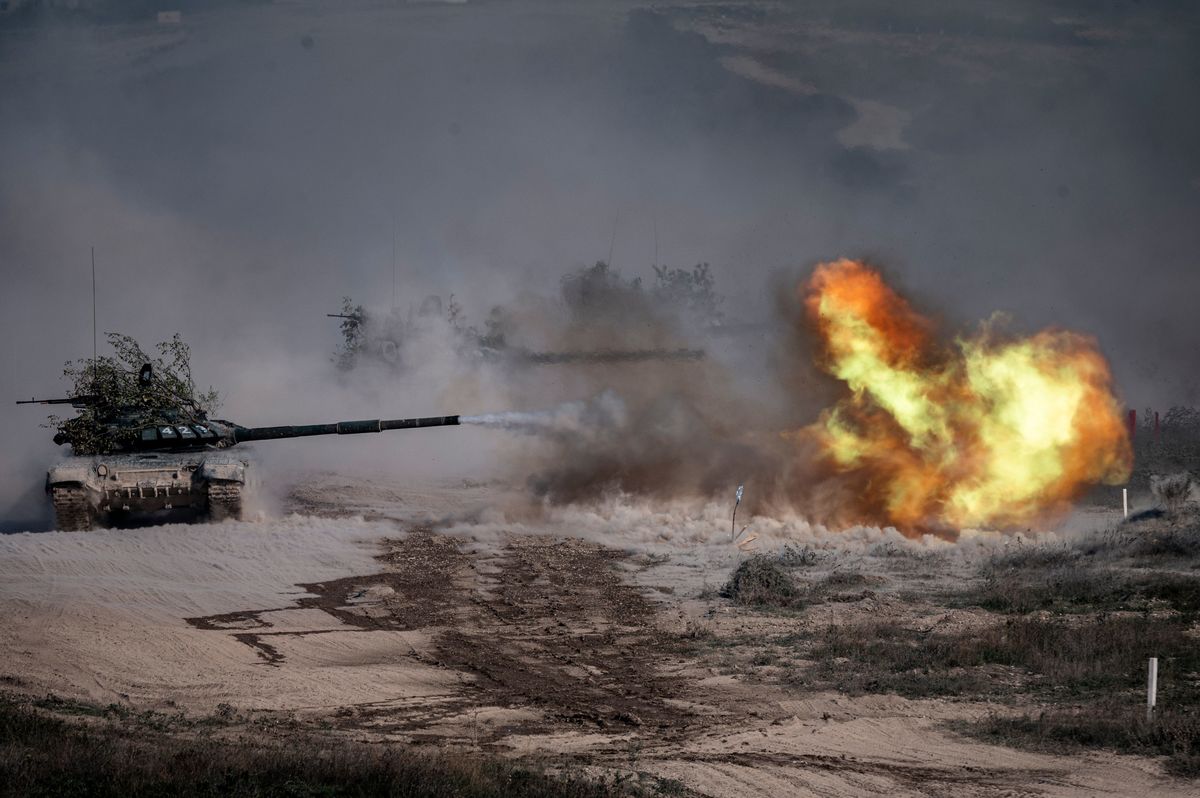
The ongoing geopolitical tensions have been a significant catalyst for this increase. Countries are responding to perceived threats in their regions, which has led to an arms race and a prioritization of defense budgets. SIPRI’s analysis suggests that nations are investing heavily in both modernizing their existing military capabilities and expanding their arsenals to deter potential adversaries.
China, for instance, has maintained a robust military budget, reflecting its ambitions on the global stage and its assertive posture in regional disputes, particularly in the South China Sea. Meanwhile, Russia’s military spending remains high, driven by the ongoing conflict in Ukraine and the need to support its military operations and strategic objectives.
The report also draws attention to the implications of soaring military spending on global security dynamics. As nations allocate more resources to their defense sectors, concerns about arms proliferation and the potential for conflict escalation rise. Analysts warn that this trend could divert funds away from critical public services such as healthcare and education, which are essential for fostering long-term stability and development.
Moreover, the increased military spending has broader implications for international relations. The competition among major powers could lead to heightened tensions and a potential arms race, making diplomatic resolutions to conflicts more challenging. The global community is urged to consider the balance between necessary defense capabilities and the promotion of peace and stability.
In summary, the latest SIPRI report underscores a concerning trend in global military spending, driven by insecurity and the need for nations to rearm. The ongoing challenges posed by regional conflicts and the strategic ambitions of major powers highlight the complexities of today’s security landscape. As countries continue to invest in their military capabilities, the international community must remain vigilant to ensure that these developments do not hinder efforts toward peace and cooperation.