Iran Considers U.S. President Trump’s Proposal for Negotiations
Iran’s Foreign Minister, Abbas Araqchi, has confirmed that the Iranian government is reviewing U.S. President Donald Trump’s recent request to engage in negotiations. This development was communicated through a post on Araqchi’s Telegram account, where he elaborated on the motivations behind Trump’s outreach.
In remarks made to reporters during a visit to Russia, Araqchi indicated that the request from the U.S. leader stems from the recognition that the United States has not achieved its strategic objectives regarding Iran. The Iranian Foreign Minister’s comments suggest a willingness to explore dialogue, although the specific conditions and terms of such negotiations remain unspecified.
President Trump has previously expressed frustration over the lack of progress in U.S.-Iran relations and has indicated that diplomatic discussions could be beneficial in alleviating tensions. In a surprising turn, he recently canceled a planned visit to Islamabad by his envoys, Steve Witkoff and Jared Kushner, who were scheduled to engage in discussions aimed at resolving ongoing conflicts. Instead, Trump suggested that Iran could initiate contact if they were interested in pursuing negotiations.
This potential for dialogue comes at a time when relations between the two nations have been fraught with challenges. The history of U.S.-Iran interactions has been marked by a series of sanctions, military confrontations, and diplomatic breakdowns, particularly following the U.S. withdrawal from the Joint Comprehensive Plan of Action (JCPOA) in 2018. Since then, Iran has gradually reduced its compliance with the nuclear agreement, leading to increased tensions in the region.
Analysts suggest that Trump’s overture may signal a shift in strategy, as the U.S. administration grapples with the implications of its prior policies and seeks to stabilize a volatile situation in the Middle East. However, the response from Tehran will be critical in determining whether this dialogue will materialize into substantive negotiations.
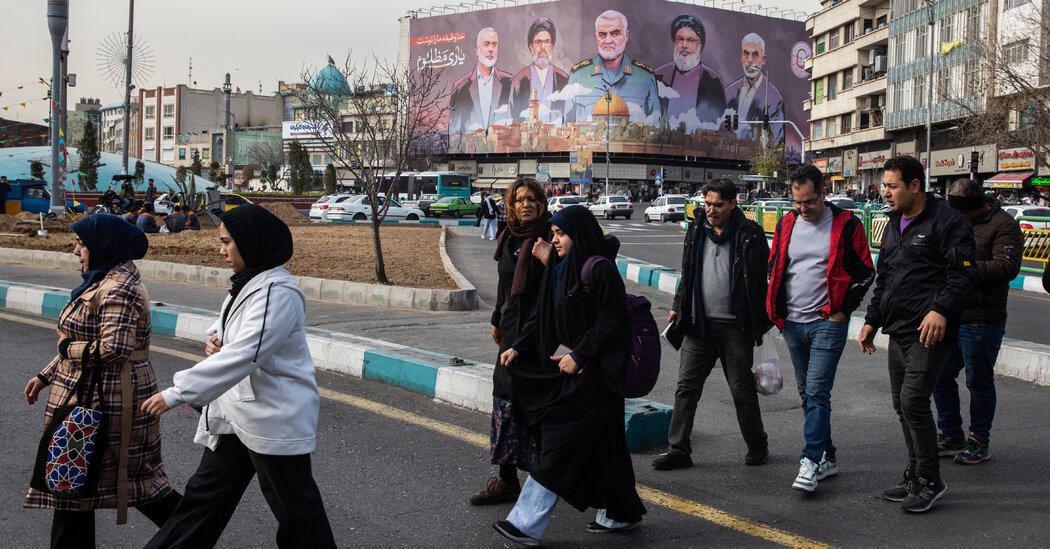
In the context of these developments, the Iranian public and political factions may have varying perspectives on the prospect of negotiations with the U.S. Many Iranians remain skeptical of U.S. intentions, influenced by years of sanctions and hostilities. Therefore, any potential talks may face internal scrutiny and debate within Iran.
As the situation evolves, both nations will likely continue to monitor each other’s actions closely, with the possibility of a diplomatic resolution hanging in the balance. The outcome of this situation could have significant implications not only for U.S.-Iran relations but also for regional stability and global diplomatic efforts.