A Life Transformed: Barbara Roberts Thrives with HIV After 30 Years
Barbara Roberts, diagnosed with HIV in 1996, exemplifies resilience and hope as she navigates life at the age of 74. Initially mistaking her symptoms for a persistent flu, Roberts sought medical help, only to receive a life-altering diagnosis that left her in shock. “I was scared to death because back then, it felt like a death sentence,” she recalled.
In 1996, the average life expectancy for a 20-year-old living with HIV was just 39 years. However, advancements in medical treatment have significantly changed these statistics. By 2011, life expectancy had risen to approximately 70 years, thanks to improvements in HIV management. After her diagnosis, Roberts was prescribed a medication regimen and began attending an HIV clinic, where the staff’s support eased her fears.
Despite initial positive responses to treatment, Roberts faced complications a year later, including severe fatigue, shortness of breath, and unusual skin discoloration. A critical nosebleed led her back to the hospital, where doctors discovered dangerously low platelet counts. Following intensive treatment and a medication adjustment, Roberts found stability and has not faced hospitalizations since.
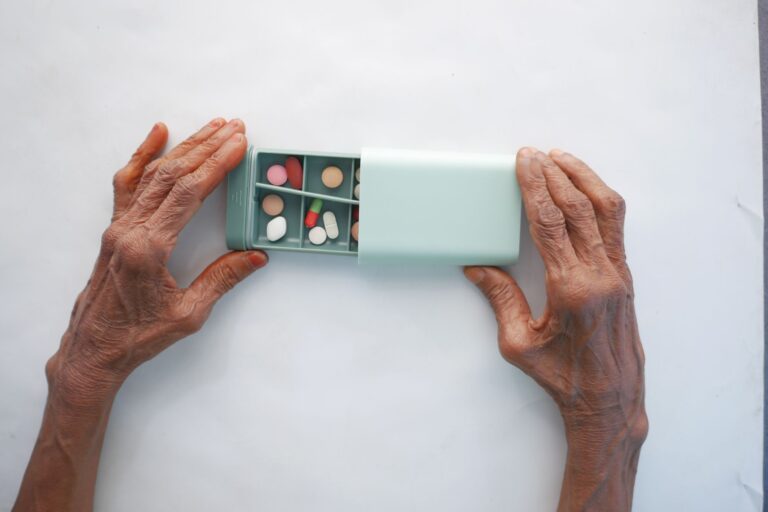
A significant turning point in her journey came in 2021 when her rheumatologist invited her to participate in a clinical trial for Idvynso, a newly FDA-approved single-tablet regimen for those with virally suppressed HIV. Eager to simplify her treatment, Roberts gladly accepted the opportunity. “I felt it was a privilege for her to ask me,” she said. The transition to this daily medication has been smooth, with only vivid dreams marking her adjustment period.
Currently, Idvynso is the sole medication in her routine, alongside Vitamin D and folic acid supplements. While she manages age-related health issues like back pain and arthritis, Roberts feels fortunate not to contend with other chronic conditions that often accompany HIV. Her commitment to participating in the trial continues to contribute to valuable research aimed at understanding the long-term safety of the drug.
Dr. Debbie Hagins, Roberts’ rheumatologist, emphasizes that while HIV is now a manageable chronic disease, it is associated with increased risks of other health complications, including cardiovascular and bone health issues. “Our goal is to prescribe the least amount of medication necessary for optimal health,” she explained. The evolution of HIV treatment has drastically improved the quality of life for many, allowing individuals to pursue their dreams without the limitations that once existed.
Initially reluctant to disclose her HIV status, Roberts found love with Johnny L. Roberts in 1997. His acceptance and reassurance empowered her to embrace her journey openly. “He told me, ‘You’re going to be fine,'” she recalled, highlighting the importance of support in overcoming stigma.
Today, Roberts advocates for awareness and understanding of HIV, hoping to inspire others to share their stories. “I’m grateful that there’s more positive information now, and people are more accepting than they used to be.” Her journey reflects both the challenges and triumphs of living with HIV, showcasing that with the right support and treatment, individuals can lead fulfilling lives regardless of their diagnosis.