Trump Indicates Iran Negotiations Near Completion, Warns of Potential Attacks
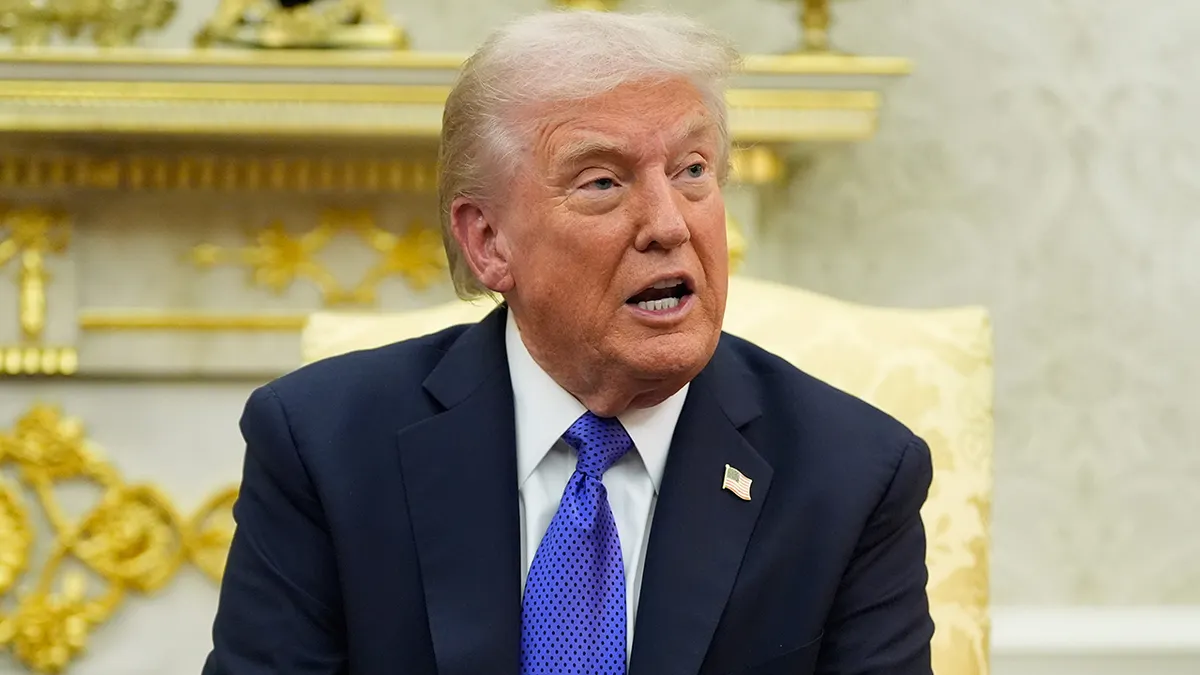
In a recent address, President Donald Trump announced that negotiations with Iran are nearing their conclusion, while simultaneously cautioning that military action may be taken if an agreement is not reached. His comments come amidst a backdrop of ongoing tensions and conflict in the region, with the U.S. seeking a resolution to the hostilities that have escalated in recent months.
Trump characterized the current phase of discussions as being “in the final stages,” signaling optimism about the potential for a diplomatic breakthrough. However, he also made it clear that the U.S. would not hesitate to respond with military force if Iran fails to comply with the terms that the U.S. deems necessary for peace. This dual approach reflects a strategy aimed at applying pressure on Tehran while still leaving the door open for negotiation.
These remarks come approximately six weeks after Trump ordered a pause in Operation Epic Fury, a military initiative that had been aimed at escalating U.S. military involvement in the region. The ceasefire was intended to create a conducive environment for dialogue, but reports indicate that progress in the negotiations has been slow. The complexities of the situation, including Iran’s regional activities and its nuclear program, have made reaching a consensus challenging.
In his address, Trump revealed that he had been on the verge of authorizing further military strikes against Iran but opted to refrain in light of the ongoing discussions. This decision underscores the precarious balance the administration is trying to maintain between military readiness and diplomatic efforts. Experts suggest that the administration’s strategy may involve leveraging the threat of military action as a negotiating tool, hoping to compel Iran to come to the table with more favorable terms.
The situation remains fluid, and many observers are closely monitoring developments as the U.S. and Iran navigate this critical juncture. The outcome of these negotiations could have far-reaching implications not only for U.S.-Iran relations but also for broader stability in the Middle East.
As the situation evolves, it is vital for communities, particularly those with ties to the region, to stay informed about the potential impacts of these negotiations and the geopolitical dynamics at play. The stakes are high, and the consequences of failure to secure a peace deal could lead to a resurgence of conflict, affecting countless lives in the region and beyond.