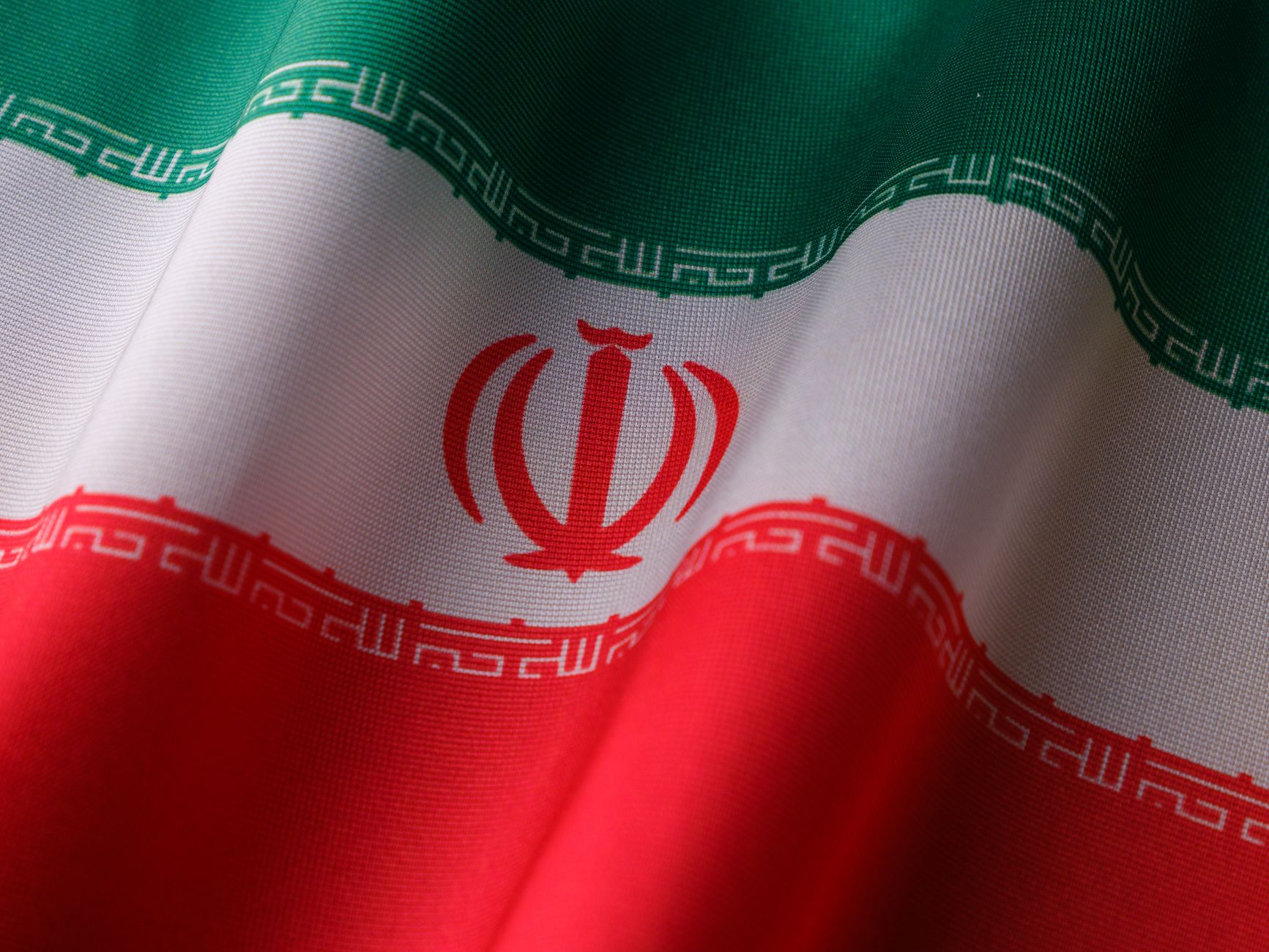
US to Permit Attendance of Iranian Officials at UN General Assembly
In a significant development, the U.S. government has announced that it will allow a delegation of Iranian officials to participate in the upcoming United Nations General Assembly in New York. This decision comes amid ongoing tensions between Washington and Tehran, which have persisted even as both sides engage in sporadic discussions aimed at resolving their differences.
The U.S. State Department confirmed that a “core delegation from the Iranian regime” would be permitted entry to the assembly. This action aligns with the United States’ responsibilities as the host nation for the U.N. General Assembly, where member states gather to address pressing global issues.
This year’s gathering, set to take place next week, marks a critical moment for international diplomacy, particularly in light of the complex relationship between the U.S. and Iran. The two nations have been at odds since the U.S. withdrew from the Joint Comprehensive Plan of Action (JCPOA) in 2018, a move that has since escalated tensions and complicated diplomatic efforts.
Despite these challenges, the decision to allow Iranian leaders to attend the assembly reflects a commitment to maintaining diplomatic channels. It emphasizes the importance of dialogue even amid ongoing conflicts. A State Department spokesperson noted that the U.S. recognizes its obligations under international law to facilitate participation in the U.N. events.
The presence of Iranian officials at the assembly may open avenues for discussions on various issues, including Iran’s nuclear program, regional security concerns, and humanitarian matters. Observers suggest that while the atmosphere is fraught with challenges, the opportunity for dialogue should not be overlooked, as it may lead to a thaw in relations and potential pathways to peace.
This announcement has drawn mixed reactions from various stakeholders. Some view it as a positive step toward constructive engagement, while others express skepticism about the potential for meaningful negotiations given the longstanding hostilities between the two nations.
As the assembly approaches, global leaders will closely monitor developments. The engagement of Iranian officials at such a pivotal international forum underscores the complexities of international diplomacy, especially in the context of U.S.-Iran relations, which have significant implications not only for the two countries but for the broader Middle Eastern region.
The U.N. General Assembly serves as a critical platform for discussions that could shape international policy and foster cooperation on pressing global challenges. As the world watches, the participation of Iranian leaders may signal a willingness to engage in dialogue and address contentious issues that have long strained relations between Iran and the West.