Iran’s Military Leaders Amplify Anti-US Rhetoric Amid Ongoing Negotiations
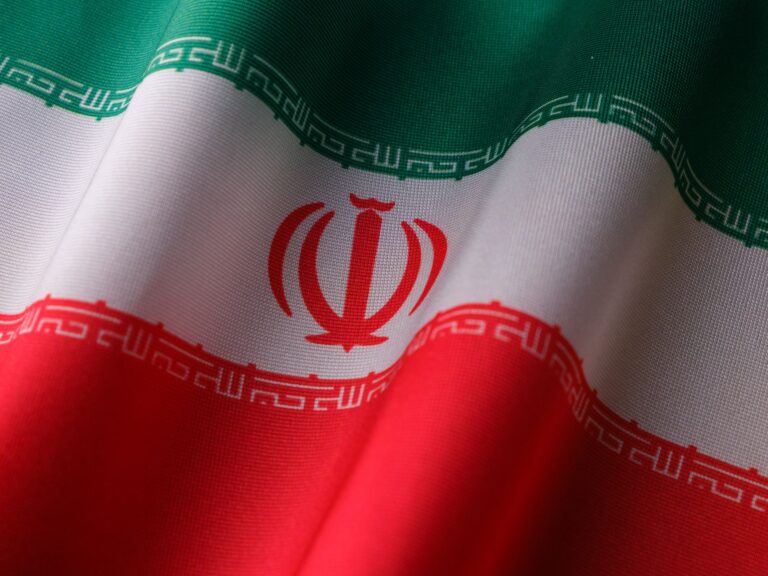
In recent weeks, prominent figures within Iran’s military and security sectors have intensified their anti-American rhetoric, marking a significant shift in their public communications. This escalation comes as negotiations between Tehran and Washington continue, with military officials framing the discussions not as a definitive resolution but rather as a conditional agreement influenced by on-the-ground realities.
The Iranian military’s stance reflects a broader strategy, emphasizing that any potential engagement with the United States is contingent on the current geopolitical landscape and battlefield dynamics. This perspective suggests that Iranian leaders perceive negotiations as a means to an end, rather than an outright reconciliation with the U.S.
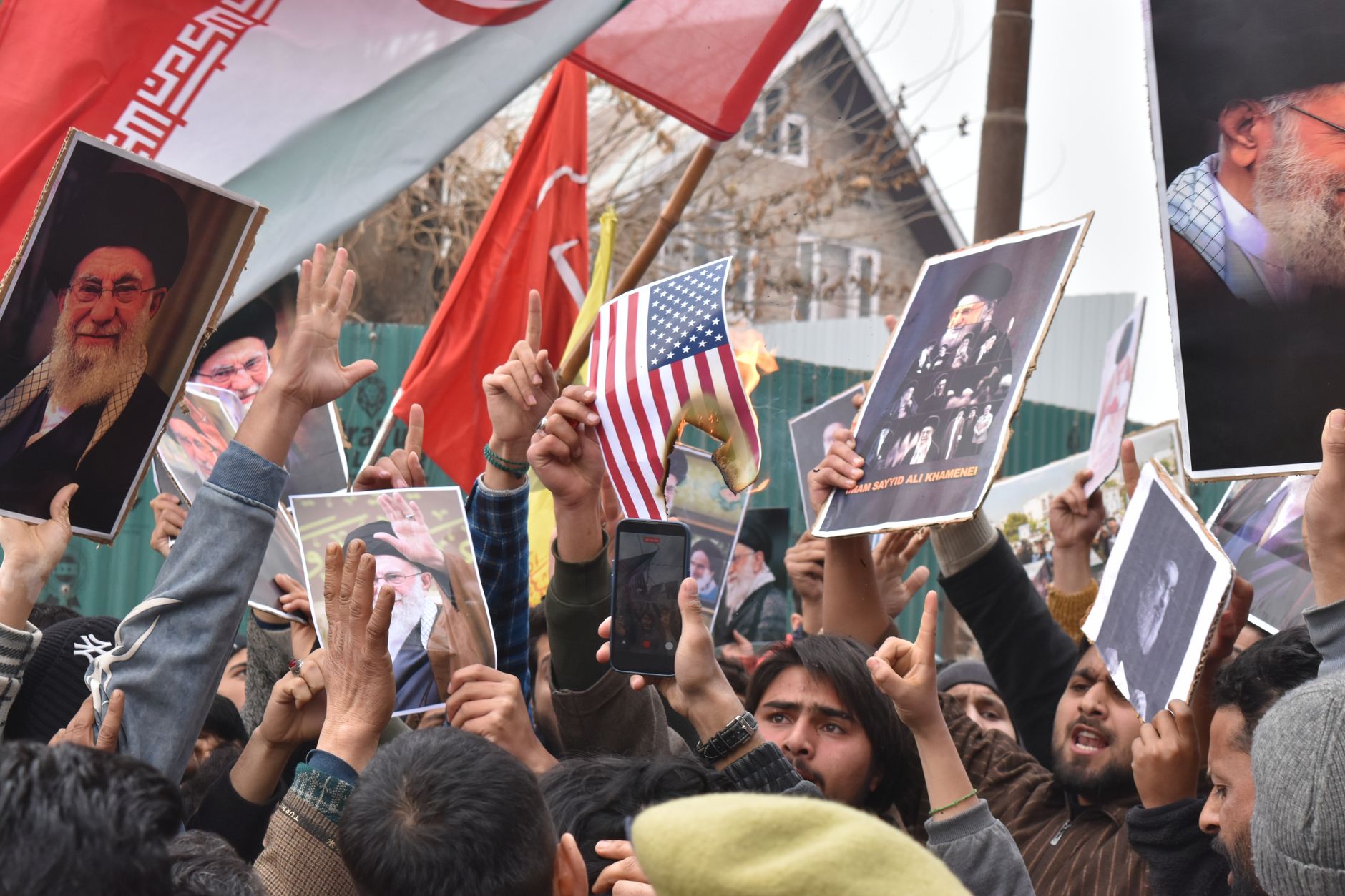
High-ranking generals and security officials have underscored that their nation remains vigilant against perceived threats. They assert that the U.S. presence in the region continues to pose significant challenges to Iran’s interests and security. This attitude resonates with a segment of the Iranian population that views the U.S. as an adversary, particularly in light of past conflicts and ongoing tensions.
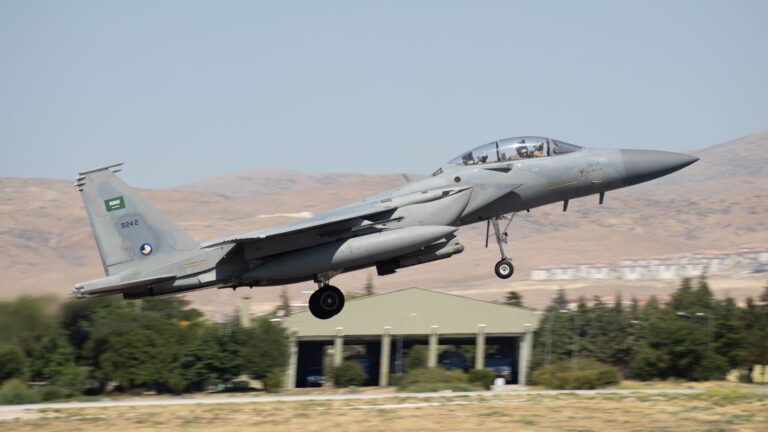
In recent statements, military leaders have warned that Iran will respond decisively to any actions they consider hostile. They emphasize the importance of maintaining a strong defensive posture, arguing that Iran’s military capabilities must be robust enough to counter external pressures. This rhetoric serves to reinforce nationalistic sentiments and rally public support for the government’s stance against external influences.
Analysts suggest that this hardline approach may also be a tactic to strengthen Iran’s negotiating position. By projecting strength and unity, Iranian officials aim to convey a message to both domestic and international audiences that they will not compromise their sovereignty or security for the sake of diplomacy. This strategy could complicate the ongoing negotiations, as it signals to the U.S. and its allies that Iran is prepared to maintain its defense capabilities regardless of diplomatic overtures.
Furthermore, this escalation in rhetoric comes at a time when various regional dynamics are at play, including ongoing conflicts and shifting alliances. Iran’s military leaders are keenly aware that their country’s influence in the Middle East is affected by these developments, and they are determined to position Iran as a resilient power amidst external pressures.
As the dialogue between the U.S. and Iran continues, the hardline stance of military leaders may present challenges to achieving a sustainable agreement. The interplay between military posturing and diplomatic efforts will be crucial in determining the future of U.S.-Iran relations. Observers will be closely monitoring how this rhetoric impacts negotiations, as both sides navigate a complex landscape filled with historical grievances and contemporary realities.