FDA Approves AI Tool for Early Detection of Cardiovascular Disease Risk
In a significant advancement for cardiovascular health, the U.S. Food and Drug Administration (FDA) has approved EchoNext, an innovative artificial intelligence (AI) tool designed to detect structural heart disease during routine electrocardiograms (ECGs). This groundbreaking technology aims to identify heart conditions before symptoms appear, marking a pivotal step in early diagnosis and intervention.
Cardiovascular disease is the leading cause of death worldwide, and until now, there has been a lack of effective early-detection tests. With the FDA’s clearance on June 22, EchoNext emerges as a vital resource for healthcare providers. Developed by Pathway Labs in collaboration with researchers at NewYork-Presbyterian and Columbia University, this AI tool analyzes ECG readings to flag patients who may be at high risk of hidden heart disease.
The approval covers six specific heart conditions, including various forms of heart failure and valve diseases. In a notable case highlighted in the journal *Nature Medicine*, EchoNext successfully identified severe undiagnosed heart failure in a 45-year-old man, who subsequently received a heart transplant. This case exemplifies the potential of EchoNext to catch severe conditions that might otherwise go unnoticed.
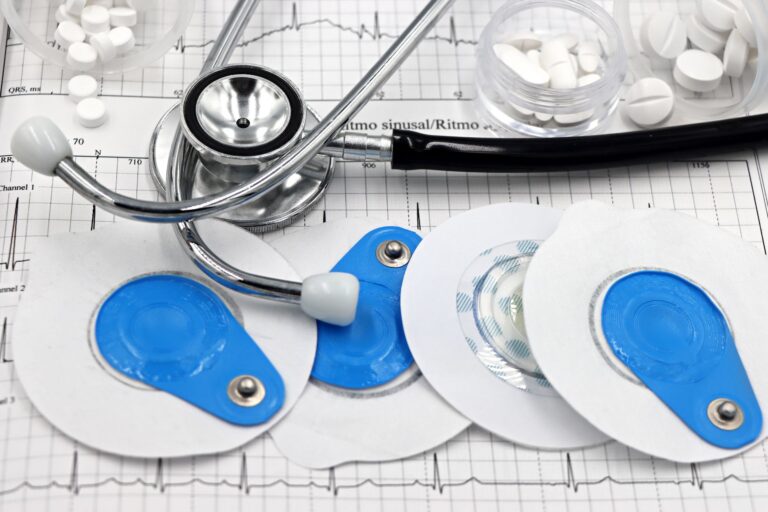
EchoNext operates by interpreting the electrical activity of the heart as recorded in an ECG. Unlike heart attacks, which result from blocked arteries, structural heart diseases involve mechanical issues with the heart’s valves, chambers, or walls. These problems can lead to inefficient blood pumping, but they often develop silently and may not present noticeable symptoms until they reach advanced stages.
This AI tool is particularly significant because it enhances the diagnostic capabilities of traditional ECGs, which have primarily been used to detect irregular heart rhythms and heart attacks. By identifying patients who should undergo further testing, such as echocardiograms, EchoNext can help streamline the diagnostic process and reduce unnecessary procedures.
Pathway Labs has reported promising results from early studies, suggesting that EchoNext can accurately identify about 77% of structural heart issues compared to a 64% accuracy rate among human cardiologists reviewing the same ECG data. The FDA approval and ongoing trials indicate a commitment to integrating this technology into broader healthcare systems, with Pathway Labs raising $8.5 million to support its expansion.
While the introduction of AI in cardiology is promising, experts emphasize the importance of using these tools as part of a comprehensive diagnostic strategy. Dr. Rachel Bond, co-chair of the Women and Children Committee for the Association of Black Cardiologists, notes that AI should complement traditional diagnostic methods rather than replace them. Concerns regarding bias in AI algorithms and their training data highlight the necessity for careful scrutiny to ensure equitable healthcare delivery.
As healthcare providers work to implement EchoNext, experts advocate for continued focus on preventive measures and managing risk factors associated with cardiovascular disease. Adopting heart-healthy lifestyle changes, as recommended by the American Heart Association, remains crucial in combating this leading cause of mortality. The integration of AI tools like EchoNext represents a forward-thinking approach to enhancing early detection and improving outcomes for patients at risk of cardiovascular disease.