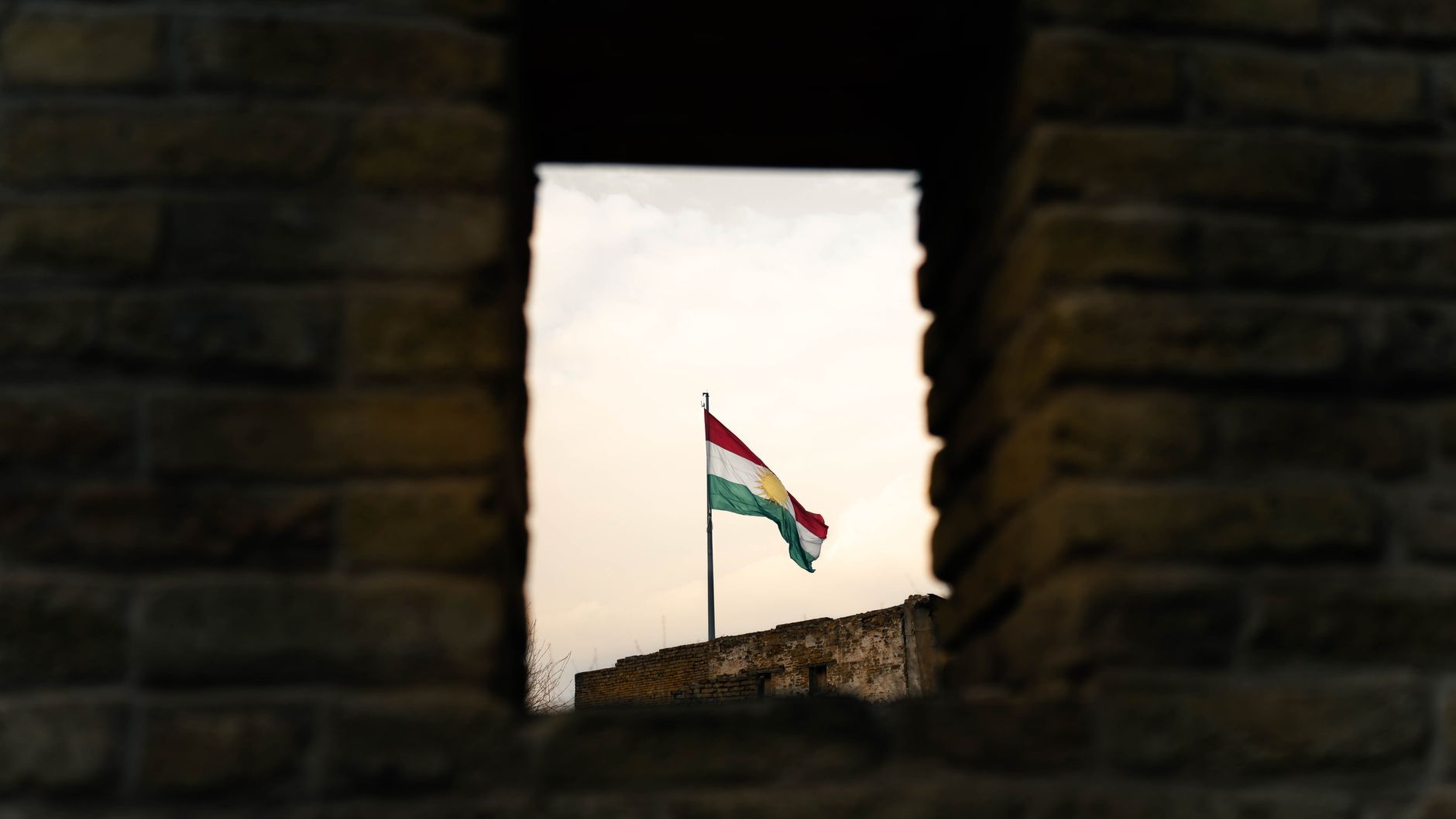
Syrian Kurds Complete Integration with Damascus
In a significant development for the region, Syrian Kurdish leader Mazloum Abdi announced the successful completion of the integration of Kurdish administrative and military structures into the state institutions of Syria. This milestone marks a pivotal moment for the Kurdish community, which has long aspired for greater autonomy.
The announcement, made on Thursday, follows a series of negotiations between Kurdish representatives and the Syrian government. These discussions were initiated after a landmark agreement reached in January, which outlined the framework for the full integration of Kurdish civil and military bodies into the national government. The U.S. government has described this agreement as “historic,” highlighting its potential impact on the stability and governance of Syria.
The integration process has been viewed as a necessary step for the Kurds, who have historically sought to establish their own governance structures in response to the complex political landscape of Syria, particularly in the aftermath of the civil war. The Kurdish-led administration, which gained significant control over northern Syria during the conflict, has now agreed to align more closely with the Syrian state, effectively ending its quest for an autonomous Kurdish region.
Abdi emphasized that this integration is not merely a political maneuver but is also aimed at fostering stability and peace within the region. He pointed out that the Kurdish community is committed to working collaboratively with the Syrian government to ensure the protection of all ethnic and religious groups in the area.
The integration of Kurdish forces into the Syrian military is particularly noteworthy, as it signifies a shift in the dynamics of power within the country. This move could help to unify the military efforts against various insurgent groups operating in Syria, potentially leading to enhanced security in regions previously plagued by conflict.
While the announcement has been met with cautious optimism by some, it also raises concerns among various factions within Syria and the broader international community. Many observers are watching closely to see how this integration will affect the Kurdish population, who have faced persecution in the past and have fought hard for their rights.
As the Syrian government and Kurdish leaders embark on this new chapter, the implications of this integration will likely resonate throughout the region. The coming months will be critical in determining how effectively the two sides can collaborate and whether this agreement can translate into lasting peace and stability for all Syrians.