Tunisian Citizens Rally Against Government Amid Water and Power Crises
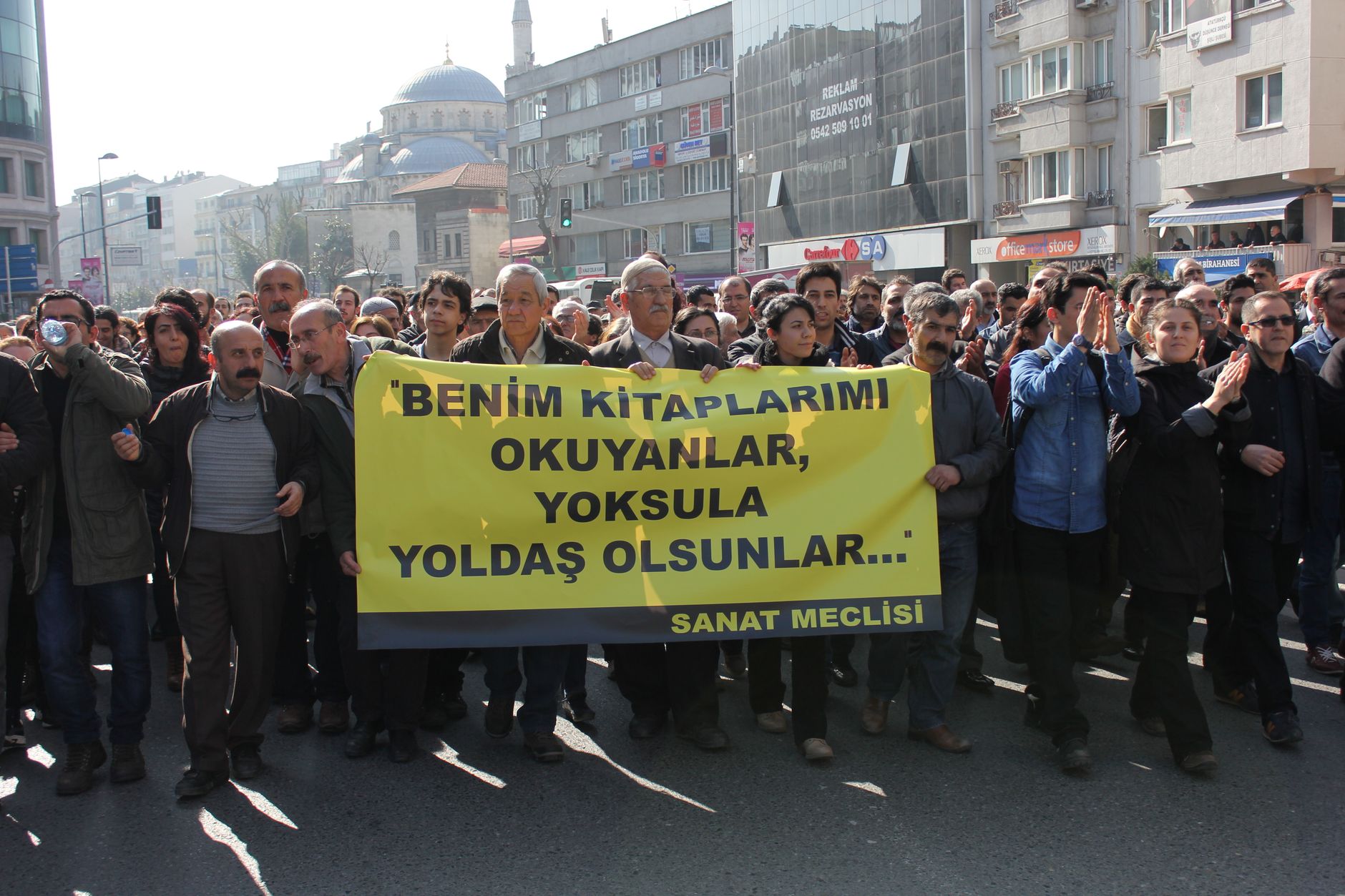
Hundreds of Tunisians took to the streets of the capital city on Thursday to voice their dissatisfaction with President Kais Saied’s administration, spotlighting critical issues such as severe water shortages and frequent electricity outages. The protest reflects growing frustration among citizens grappling with a multitude of challenges, particularly as the nation experiences extreme heat.
Demonstrators gathered in various locations, brandishing placards that conveyed their grievances, with messages highlighting their struggles against “thirst” and “darkness.” These slogans encapsulate the current hardships faced by many Tunisians, who are enduring both limited access to drinking water and significant disruptions to their electricity supply.
The protests were led by former lawmaker Samir Ben Amor, who articulated the collective sentiment of the people. In an interview, he stated, “Today, the Tunisian people are living in humiliation. There’s no water, no electricity, and no freedom.” His remarks resonated with many protesters who feel that their basic needs are being neglected by the government.
The ongoing crises have been exacerbated by soaring temperatures, which have intensified the demand for water and electricity. Many households are struggling to cope with the situation, leading to mounting public discontent. Residents have reported that water supply disruptions have become increasingly frequent, making it difficult for families to meet their daily needs.
The government has faced criticism for its handling of the water and energy sectors, with many accusing officials of mismanagement. Critics argue that the lack of transparency and accountability in governance has contributed to the worsening conditions. As a result, many citizens are calling for immediate action from the government to address these pressing issues.
In addition to the immediate concerns over water and electricity, the protests also reflect a broader sense of dissatisfaction with the political climate in Tunisia. Many participants are advocating for greater freedoms and democratic reforms, feeling that the current administration has not fulfilled its promises since the revolution over a decade ago.
As these protests unfold, they highlight the urgent need for the government to respond to the citizens’ demands. With the situation continuing to develop, many are watching closely to see how the administration will address these significant challenges and whether it will take steps to restore public confidence in its ability to govern effectively.
The protests in Tunisia are a reminder of the ongoing struggles faced by many in the Arab world, where access to basic resources remains a critical issue. As citizens rally for their rights, the global community will be paying attention to the outcomes of these demonstrations and the potential implications for Tunisia’s future.