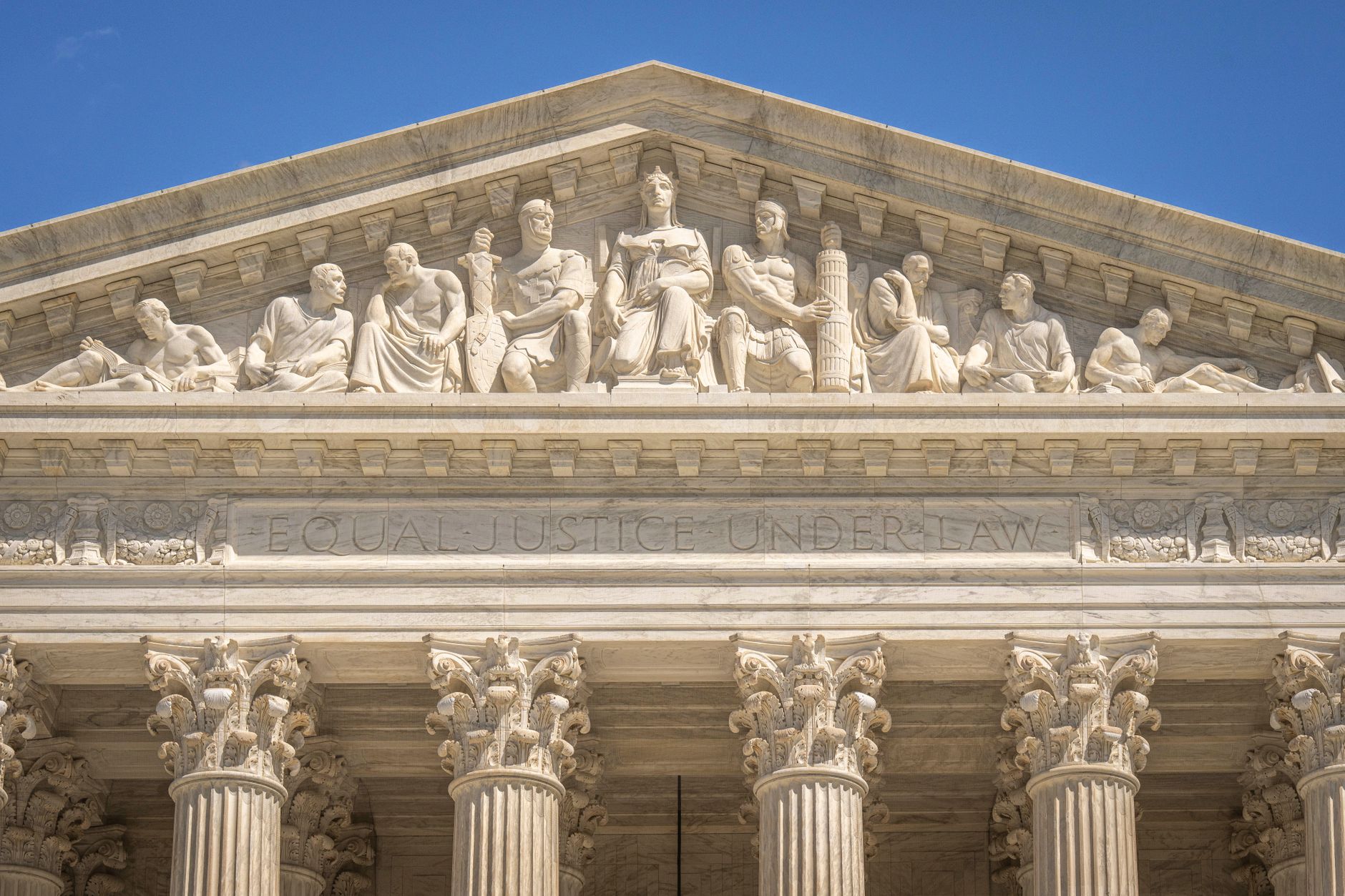
Supreme Court Ruling Paves the Way for Voting Restrictions Ahead of Midterms
In a significant decision, the Supreme Court has taken action that may alter the landscape of voting in the upcoming midterm elections. The ruling effectively clears a path for the Trump administration’s push for stringent regulations on mail-in ballots, raising concerns about potential chaos as voters prepare to cast their votes.
The court’s decision comes amid ongoing debates about election integrity and the accessibility of voting options. Historically, mail-in ballots have served as a crucial means for many voters, particularly those facing health concerns or mobility challenges. However, with this ruling, the administration is now empowered to impose more restrictive measures on how these ballots are handled and submitted.
Critics of the ruling argue that such restrictions could disproportionately affect marginalized communities, who often rely on mail-in voting due to various barriers that make in-person voting challenging. The potential for increased confusion and disenfranchisement looms large as the midterms approach, with many advocating for easier access to voting rather than greater constraints.
In recent years, the issue of mail-in voting has become increasingly contentious. Proponents of mail-in ballots argue that they expand access and ensure that every eligible voter has the opportunity to participate in the electoral process. Conversely, opponents often express concerns about the potential for fraud, despite evidence suggesting that such incidents are exceedingly rare.
The Supreme Court’s ruling is seen as a pivotal moment leading up to the midterms, as it allows states to adopt tougher regulations on mail-in voting procedures. This includes measures like stricter identification requirements, limited drop-off locations, and reduced timeframes for ballot submission. These changes could lead to longer lines at polling places and confusion among voters trying to navigate the new rules.
As states begin to implement these changes, advocacy groups are mobilizing to educate voters about their rights and the new voting processes. Many organizations are emphasizing the importance of planning ahead by requesting mail-in ballots early and understanding the specific requirements for their respective states.
With the midterm elections just around the corner, the impact of this Supreme Court decision will be closely monitored. Voters and election officials alike are preparing for what could be a tumultuous election season, as the push for tighter voting regulations collides with the fundamental democratic principle of making voting accessible to all. As the situation develops, it remains to be seen how these changes will affect voter turnout and the overall electoral process in the coming months.