Qatar PM Engages with Iranian Officials Amid Efforts for US-Iran Mediation
In a significant diplomatic move, the Prime Minister of Qatar, Sheikh Mohammed bin Abdulrahman Al Thani, held meetings with prominent Iranian figures, including former Vice President Masoud Pezeshkian and former Oil Minister Rostam Qasemi. These discussions come at a time when Qatar is actively seeking to facilitate dialogue between the United States and Iran, amidst fluctuating relations and internal challenges faced by Tehran.
The backdrop of these discussions is marked by Iran’s recent indications of a willingness to renew engagement with the U.S., a shift that could potentially pave the way for easing tensions that have persisted since the U.S. withdrew from the nuclear agreement in 2018. However, experts caution that Iran’s internal political dynamics could complicate this process. The nation faces significant divisions among its leadership, which may hinder its ability to present a unified stance in negotiations.
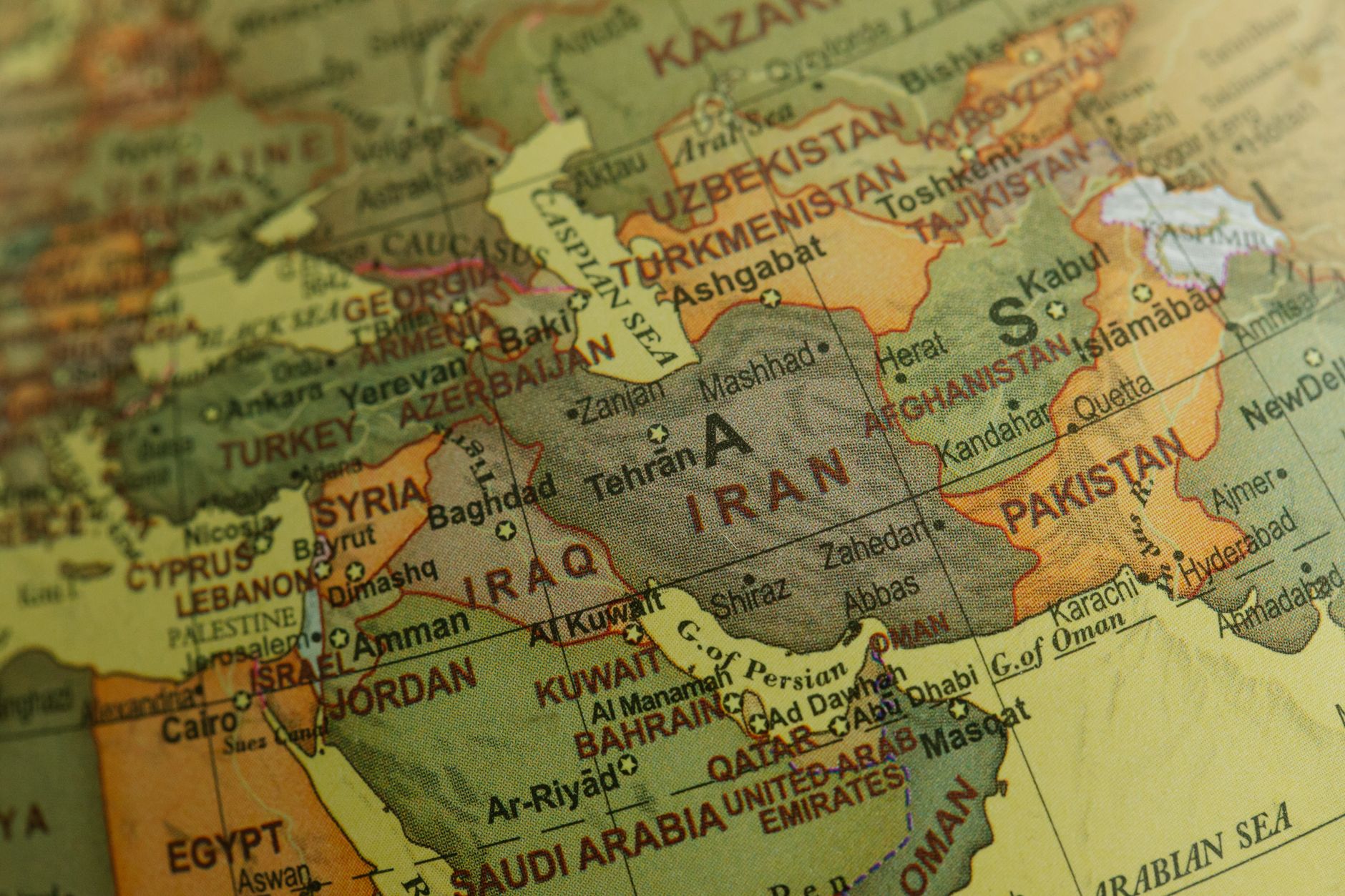
Qatar, which has positioned itself as a mediator in regional conflicts, appears to be leveraging its unique relationships with both the U.S. and Iran to explore avenues for diplomacy. The meetings held in Doha underscore Qatar’s commitment to fostering dialogue and reducing hostilities, particularly in light of the broader geopolitical landscape that includes ongoing tensions between Iran and various Gulf states.
Analysts suggest that the Qatari government’s efforts could be pivotal in bridging gaps and promoting understanding between the two nations. Given its relatively positive relations with Iran and its strategic alliance with the U.S., Qatar is seen as an ideal intermediary. The potential for this mediation process could lead to discussions not just about nuclear issues but also broader regional security concerns.
The recent meetings between Qatari officials and their Iranian counterparts reflect a growing recognition of the need for dialogue in a region marked by conflict and mistrust. Iran’s willingness to engage in talks may signal a broader strategic recalibration as it navigates its relationships with both neighboring countries and global powers.
As the situation develops, observers are keenly watching how these diplomatic efforts unfold and whether they will lead to tangible outcomes. The hope is that constructive dialogue might contribute to a more stable and peaceful environment in the Middle East, benefiting not only the involved parties but also the broader international community.
In conclusion, as Qatar seeks to mediate between the U.S. and Iran, the ongoing conversations highlight the complexities of international diplomacy in a region fraught with challenges. The eyes of the world remain on this crucial dialogue, with the hope that it could herald a new chapter in relations between these key players.