Iraq Reinforces Saudi Border Security Amid Militia Tensions: What to Know
In a significant move aimed at bolstering regional security, Iraq has deployed additional military forces along its border with Saudi Arabia. This decision comes in response to a series of attacks attributed to Iran-backed militias, which have raised concerns over stability in the area. The Iraqi government’s actions reflect a broader strategy to enhance its security relationships with neighboring countries, particularly Saudi Arabia.
The recent surge in militia activity has prompted Iraqi officials to reconsider their defense posture. The Iranian-backed groups, known for their influence in Iraq, have increasingly been involved in cross-border operations that threaten Saudi security. By reinforcing the border, Iraq aims to deter these militia activities and reassure its neighbors of its commitment to maintaining order and stability.
Iraqi Prime Minister Mohammed Shia’ Al-Sudani has emphasized the importance of safeguarding national sovereignty and ensuring the security of borders. This initiative aligns with Iraq’s broader goals of establishing stronger diplomatic and security ties with Riyadh. Recent discussions between Iraq and Saudi officials have focused on collaborative efforts to combat shared threats, underscoring the necessity of a united front against regional instability.
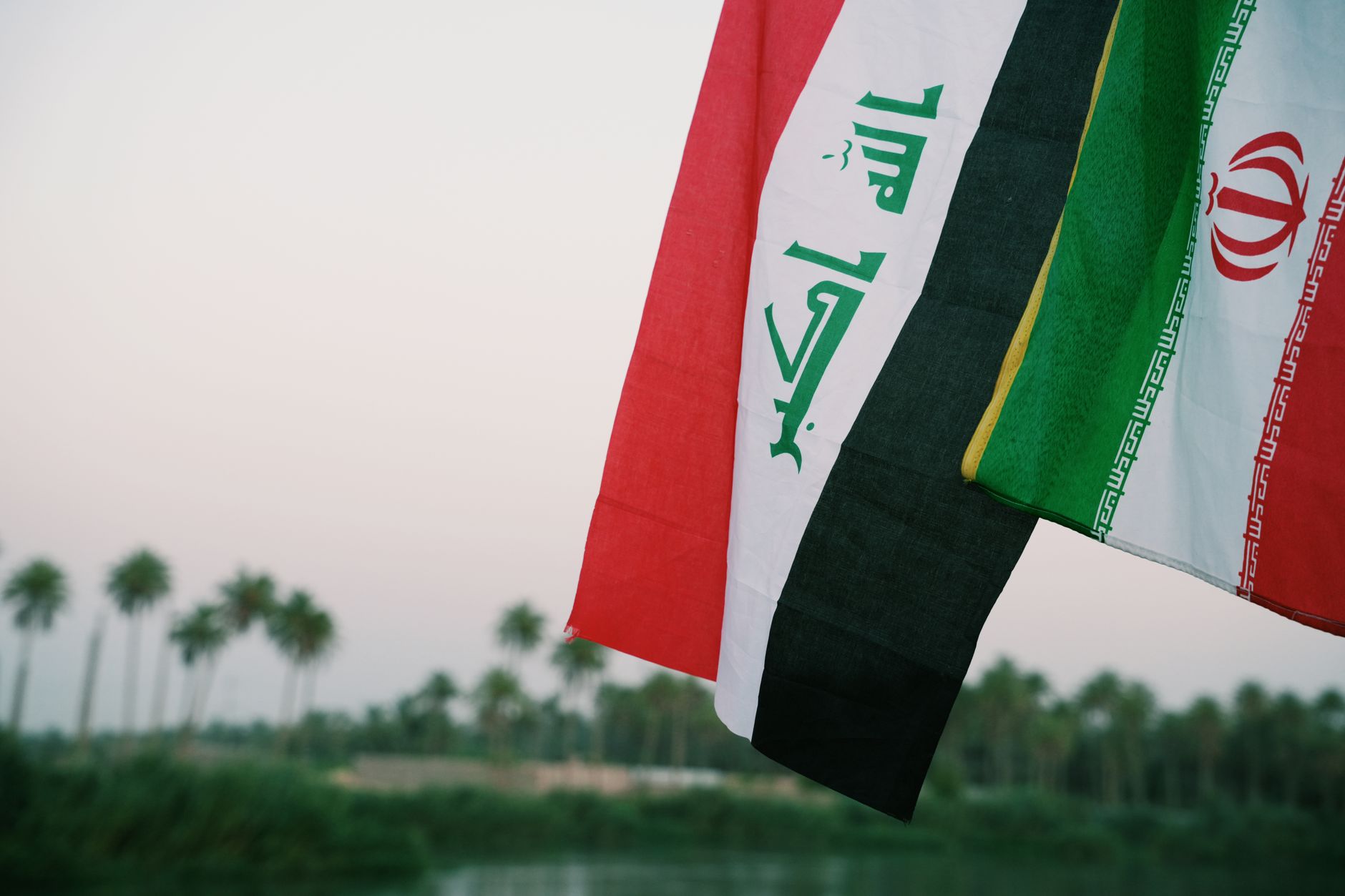
The deployment of troops to the Saudi border is not only a tactical decision but also a strategic signal to Iran and its allied militias. It illustrates Iraq’s intent to assert its independence and take charge of its security landscape. Analysts suggest that this move may also reflect a shift in Iraq’s foreign policy, as it seeks to balance its relationships with both Iran and Saudi Arabia—two powerful neighbors with competing interests.
As tensions in the region continue to evolve, the Iraqi government is keen on fostering a sense of security among its citizens while also addressing the influence of non-state actors. The ongoing militia attacks have raised alarms among the Iraqi population, many of whom are calling for a stronger response from their government. By reinforcing border security, Iraq aims to not only protect its territory but also reassure its citizens of its commitment to their safety.
The situation remains fluid, and the international community is closely monitoring developments. Iraq’s actions are likely to have implications for its internal dynamics and its relationships with other regional powers. As Baghdad navigates these complex challenges, the reinforcement of border security with Saudi Arabia represents a critical step in its efforts to stabilize the region and assert its sovereignty amidst external pressures.
In summary, Iraq’s decision to enhance its military presence at the Saudi border is a proactive measure in response to militia threats. It marks a pivotal moment in Iraq’s approach to security and diplomacy, with the potential to reshape its role in the broader Middle Eastern geopolitical landscape.