Himalayas at Increased Risk of Glacial Flooding, Warns UN Official
The Himalayan region is facing heightened risks of glacial flooding in the coming years, according to recent statements from a senior United Nations official. This warning comes in the wake of a devastating flood in Nepal, where over 1,000 lives have already been lost due to the collapse of a glacier.
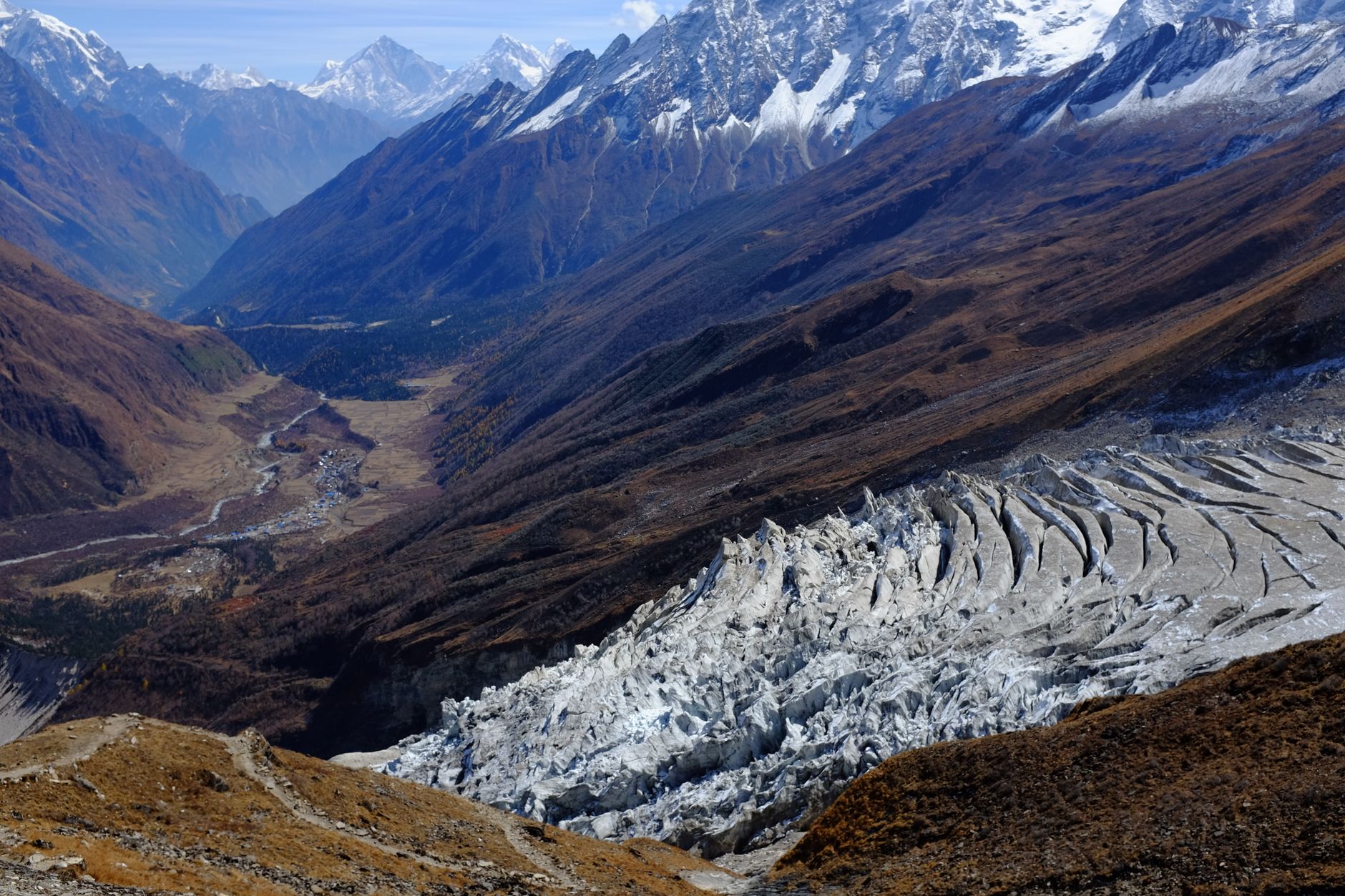
The catastrophic events in Nepal highlight a growing concern regarding the stability of glaciers in the Himalayas, which are crucial to the water supply for millions in the region. As glaciers retreat due to rising global temperatures, the likelihood of glacial lakes forming increases. These lakes can become unstable, and a sudden release of water can lead to devastating floods downstream, threatening both lives and livelihoods.
The recent floods have not only caused significant loss of life but have also raised alarms about the future of hydroelectric power generation in the area. Many communities rely heavily on this renewable energy source, which is now at risk due to the potential for increased flooding and unpredictable water flow. The UN official emphasized that the destruction of infrastructure could lead to long-term consequences for energy production and water management.
In addition to the immediate dangers posed by glacial floods, the official warned that entire riverbanks, where millions reside, may become uninhabitable. The displacement of communities and the destruction of agricultural land could exacerbate existing socio-economic challenges in the region, leading to increased poverty and food insecurity.
The situation is particularly concerning for countries in the Himalayan region, including Nepal, India, and Pakistan, all of which rely on the rivers fed by these glaciers. The potential for glacial flooding necessitates immediate action to improve disaster preparedness and resilience in these communities.
Experts are calling for enhanced monitoring of glacial activity and the establishment of early warning systems to alert communities about potential flood risks. Additionally, there is a pressing need for investment in infrastructure that can withstand such natural disasters, as well as education programs to help communities better understand and respond to the changing climate.
The UN’s warnings serve as a stark reminder of the challenges posed by climate change, particularly in vulnerable regions like the Himalayas. As the world grapples with the impacts of global warming, the need for international cooperation and sustainable practices has never been more critical. Addressing these challenges will be vital in safeguarding both human lives and the environment in the years to come.