Blockade Impacts Iran’s Oil Exports Amid Ongoing Tensions
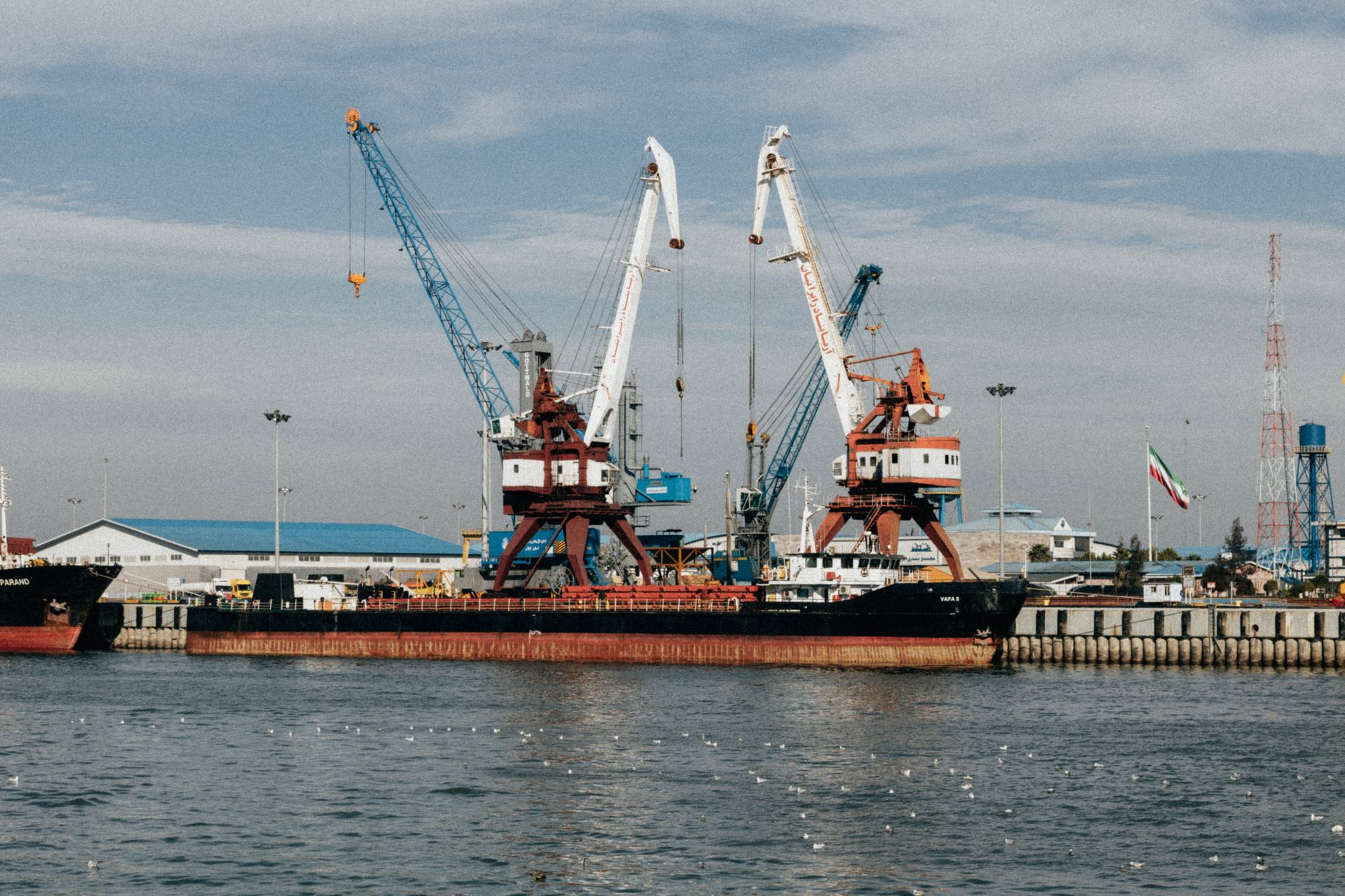
In a significant development, Iran’s crude oil exports have essentially come to a standstill for approximately seven weeks, marking a historic low in shipments through the vital Strait of Hormuz. This situation arises amidst an intensified U.S. naval blockade, which appears to be achieving results where previous sanctions had not. The blockade has effectively disrupted one of Iran’s primary revenue streams, further complicating the country’s economic stability.
The Strait of Hormuz is crucial for global oil transportation, as it is a key transit route for a substantial portion of the world’s oil supply. Historically, Iran has relied heavily on these exports to generate foreign currency, but the recent blockade has severely limited its ability to do so. Industry analysts suggest that this blockage reflects a shift in international relations and underscores the heightened tensions surrounding Iran’s nuclear ambitions and regional activities.
Reports indicate that Iranian oil shipments, which have seen fluctuations in recent years, have faced unprecedented challenges since the imposition of the naval blockade. While sanctions imposed by the U.S. and other nations have aimed to curb Iran’s oil exports for years, the new maritime measures seem to be more effective in disrupting the flow of oil. This has raised questions regarding the future of Iran’s economy, which is already grappling with the dual pressures of internal mismanagement and international isolation.
The Iranian government has publicly condemned the U.S. blockade, claiming that it constitutes an act of aggression and an infringement on its sovereignty. In response, Tehran has vowed to find alternative routes and methods to export its oil, although such efforts have yet to yield significant results. The Iranian leadership’s commitment to circumventing these restrictions highlights the ongoing geopolitical tensions in the region and the lengths to which the government may go to sustain its economy.
While the blockade has succeeded in disrupting exports, the long-term implications for both Iran and global oil markets remain uncertain. Analysts continue to monitor the situation closely, as changes in Iran’s oil export capabilities could have ripple effects across the global economy. Additionally, the response from other countries and regional players will be crucial in determining the future dynamics of energy supply and geopolitical relations in the Middle East.
As the situation evolves, it is clear that the intersection of military strategy and economic policy is reshaping the landscape of Iran’s oil industry and its broader economic prospects. The international community watches closely, as the implications of these developments could reverberate far beyond the immediate region, affecting global energy markets and international diplomatic relations.