Lebanon Reports Fatal Israeli Airstrikes in Southern Region
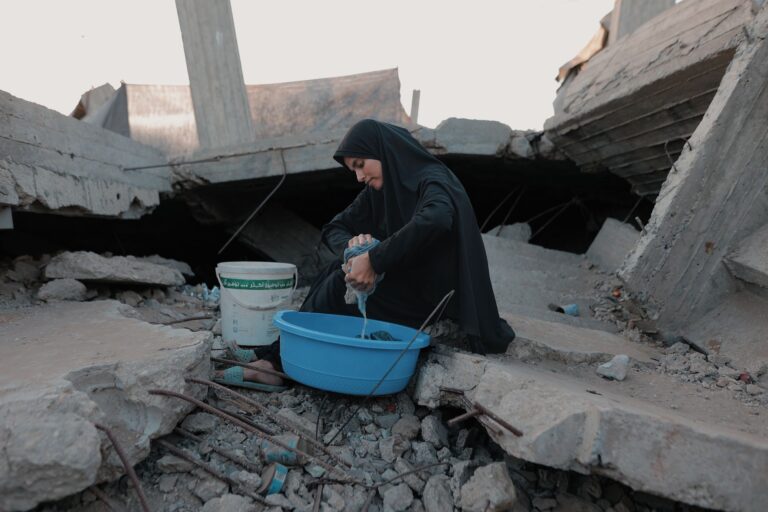
Recent airstrikes carried out by Israel in southern Lebanon have resulted in the deaths of at least 12 individuals, including women and children, according to the Lebanese Ministry of Health. This surge in military action marks a significant escalation in violence following a period of relative calm that lasted several weeks.
The Israeli military has stated that these airstrikes are part of a broader campaign against Hezbollah, the Iran-backed militant group that has been engaged in ongoing hostilities with Israel. Officials in Israel have accused Hezbollah of breaching a ceasefire agreement that has been in place since June, asserting that such violations necessitate a strong military response.
As tensions rise, the international community is closely monitoring the situation, with many expressing concern over the potential for further escalation in the region. The airstrikes have raised alarms not only in Lebanon but also among countries with vested interests in Middle Eastern stability. The humanitarian consequences of such military actions are particularly dire, as civilian casualties increase amid the fighting.
Hezbollah, the Shiite militant group and political party in Lebanon, has not publicly addressed the recent airstrikes or the Israeli military’s threats. Their silence has led to speculation regarding their strategy and potential responses to Israel’s renewed aggression. Observers note that Hezbollah’s lack of commentary may indicate a calculated approach in light of the current tensions.
The airstrikes come at a time when the region has been grappling with various challenges, including political instability and economic hardship. The Lebanese population, already facing a severe economic crisis, bears the brunt of this renewed violence, raising questions about the long-term implications for the country and its people.
Experts warn that the cycle of retaliation could lead to a more extensive conflict, with both sides potentially drawing in allies and further complicating an already volatile situation. The ongoing conflict has far-reaching implications, not only for Lebanon and Israel but also for the broader Middle East, where geopolitical interests intersect.
As the situation develops, humanitarian organizations are urging for immediate dialogue and ceasefire to prevent further loss of life and to address the urgent needs of civilians caught in the crossfire. The local and international community continues to seek solutions that would bring about a lasting peace in the region, emphasizing the need for comprehensive negotiations that address the underlying issues fueling the conflict.