Healthy Diet and Fitness Program May Improve Prostate Cancer Outcomes
A new study from researchers in the United Kingdom suggests that a structured diet and exercise program can enhance the quality of life for men undergoing treatment for prostate cancer. The lifestyle intervention, known as STAMINA, has shown promising results in mitigating the negative effects associated with androgen deprivation therapy (ADT), a common treatment for prostate cancer.
The findings indicate that men who participated in the STAMINA program experienced a reduction in their quality of life decline by up to one-third compared to those who received standard care. The STAMINA regimen combines regular physical activity, dietary guidance, and behavioral support, and is recognized as a cost-effective approach to improving patient well-being during cancer treatment.
In light of these findings, Nuffield Health, which collaborated on the study, is set to launch a new cancer activity program that will adapt the STAMINA model for men battling prostate cancer. Plans are underway to expand this initiative to include patients with breast and bowel cancers across 50,000 healthcare facilities by 2030. The research was published in The Lancet Oncology on September 4.
The authors of the study noted that the STAMINA intervention aligns with best practice guidelines and can be integrated into the National Health Service (NHS) frameworks across England. The structured approach provides healthcare professionals with a clear protocol for recommending and implementing supervised exercise and dietary advice for patients undergoing ADT.
Ying Wang, a senior scientist at the American Cancer Society, highlighted the significance of the study, particularly as most previous research has focused on breast cancer survivors. Wang acknowledged that the evidence supporting the benefits of a structured lifestyle program for men receiving ADT is crucial in expanding cancer care strategies.
The STAMINA program, which was part of a five-year research initiative funded by the National Institute for Health Research, was designed to evaluate the long-term implications of supervised exercise training on quality of life and fatigue among men receiving ADT. This hormone-blocking treatment reduces testosterone levels to help combat androgen-dependent cancers, but it can also lead to various side effects, including fatigue, mood changes, and reduced libido.
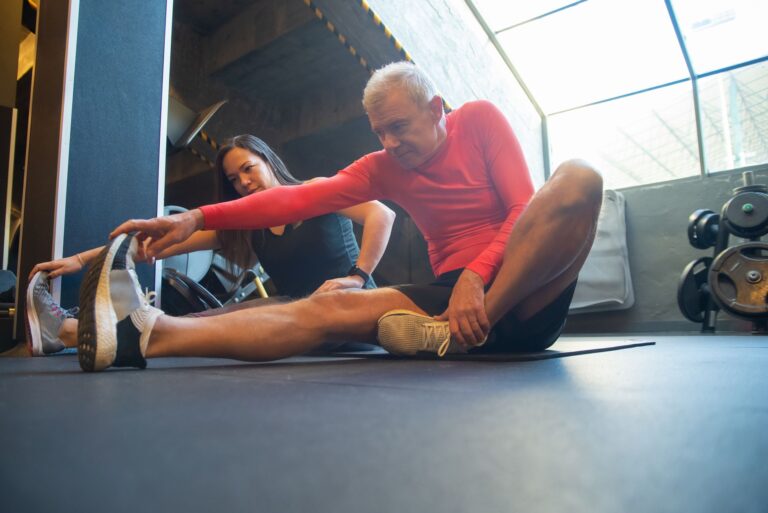
The study monitored 700 men over a year at 15 NHS facilities, with participants divided into two groups. One group followed the STAMINA regimen, which involved supervised aerobic and resistance training, along with dietary and behavioral support. The other group received standard supplementary treatment. Remarkably, over 80% of participants in the STAMINA group attended their scheduled sessions, leading to better cancer-specific outcomes and less fatigue compared to those in the control group.
While the study demonstrated significant improvements in quality of life, researchers caution that the effects on long-term survival rates for prostate cancer remain unclear. The research primarily assessed quality of life and fatigue over a 12-month period, rather than direct cancer outcomes.
Healthcare experts stress the importance of lifestyle changes, including a balanced diet and regular exercise, in supporting overall health during cancer treatment. Recommendations include diets rich in leafy greens, legumes, and healthy fats, while minimizing red meat consumption. Regular physical activity is also encouraged to help alleviate stress and improve mental health.
As prostate cancer remains the most common cancer among men, with an estimated 330,000 new cases expected in the U.S. in 2026, the need for effective support strategies is paramount. The American Cancer Society emphasizes that early detection significantly improves survival rates, underscoring the importance of awareness and proactive health measures.