Energy Drinks and Stimulant Supplements Raise Heart Risks in Young Adults
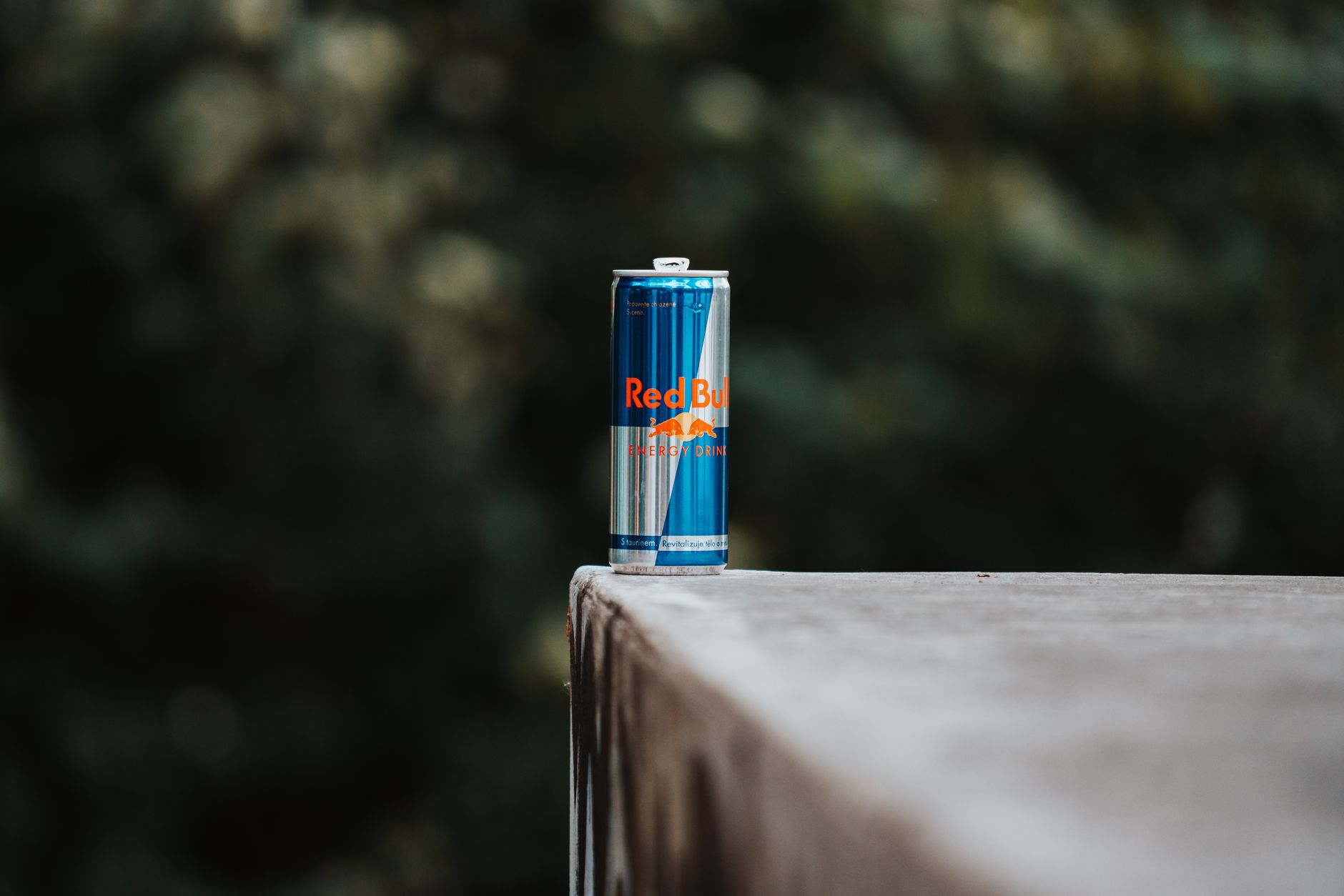
Recent research indicates a troubling link between caffeinated energy drinks, stimulant supplements, and increased heart health risks among young adults. The preliminary findings suggest that regular consumption of these products can lead to an 11-fold increase in the risk of cardiac arrest and a 4.5-fold higher likelihood of experiencing a heart attack.
These findings, scheduled to be presented at the American Heart Association (AHA) Scientific Sessions 2026, highlight the cardiovascular dangers posed by these popular beverages, particularly for individuals under 35 who consume them frequently. While the research does not definitively prove a causal relationship, it raises important concerns about the safety of these widely marketed products.
According to study author Sai Samayamanthula, a fourth-year medical student at the University of Virginia, many consumers mistakenly perceive energy drinks as harmless due to their marketing alongside sodas and bottled water. Samayamanthula cautions that while occasional use may pose minimal risks for most healthy individuals, regular consumers can quickly exceed the recommended daily caffeine limit, which is generally considered to be up to 400 milligrams for healthy adults.
Research conducted by the University of Virginia involved an analysis of 28,345 reports submitted to the Food and Drug Administration (FDA) from 2017 to 2025. Out of these reports, 854 cases were linked to caffeinated energy drinks and stimulant supplements. The study found that cardiac arrest incidents were reported approximately 11 times more frequently for these products compared to non-stimulant items, while heart attacks occurred 4.5 times more often. Notably, nearly 45% of the heart-related cases involved adults aged 18 to 34.
Experts agree that there is a need for more rigorous monitoring of the safety of caffeine and stimulant-containing products. Dr. Gregory M. Marcus, a professor of medicine at the University of California, San Francisco, emphasized that while biological factors may contribute to cardiovascular issues from high caffeine intake, the study does not definitively establish causation, and further research is needed.
Dr. Cheng-Han Chen, a board-certified interventional cardiologist, also expressed concern about the effects of energy drinks on heart health. He noted that these beverages can significantly affect the cardiovascular system due to their stimulant components, which can elevate blood pressure and heart rate. Chen pointed out that while occasional consumption is likely safe for most healthy individuals, frequent use could lead to increased risks of hypertension and arrhythmias.
As energy drinks often contain much higher caffeine levels than traditional coffee, with some providing up to three times the amount per fluid ounce, it is crucial for consumers to be aware of their caffeine intake. Individuals with pre-existing heart conditions, irregular heartbeats, or a family history of heart disease should consult healthcare professionals before consuming these products.
Overall, the findings underscore the importance of understanding the potential risks associated with energy drinks and stimulant supplements, particularly for young adults. Monitoring caffeine intake and recognizing the signs of excessive consumption can help safeguard heart health.