US Approves Sale of 48 F-35 Jets to Saudi Arabia
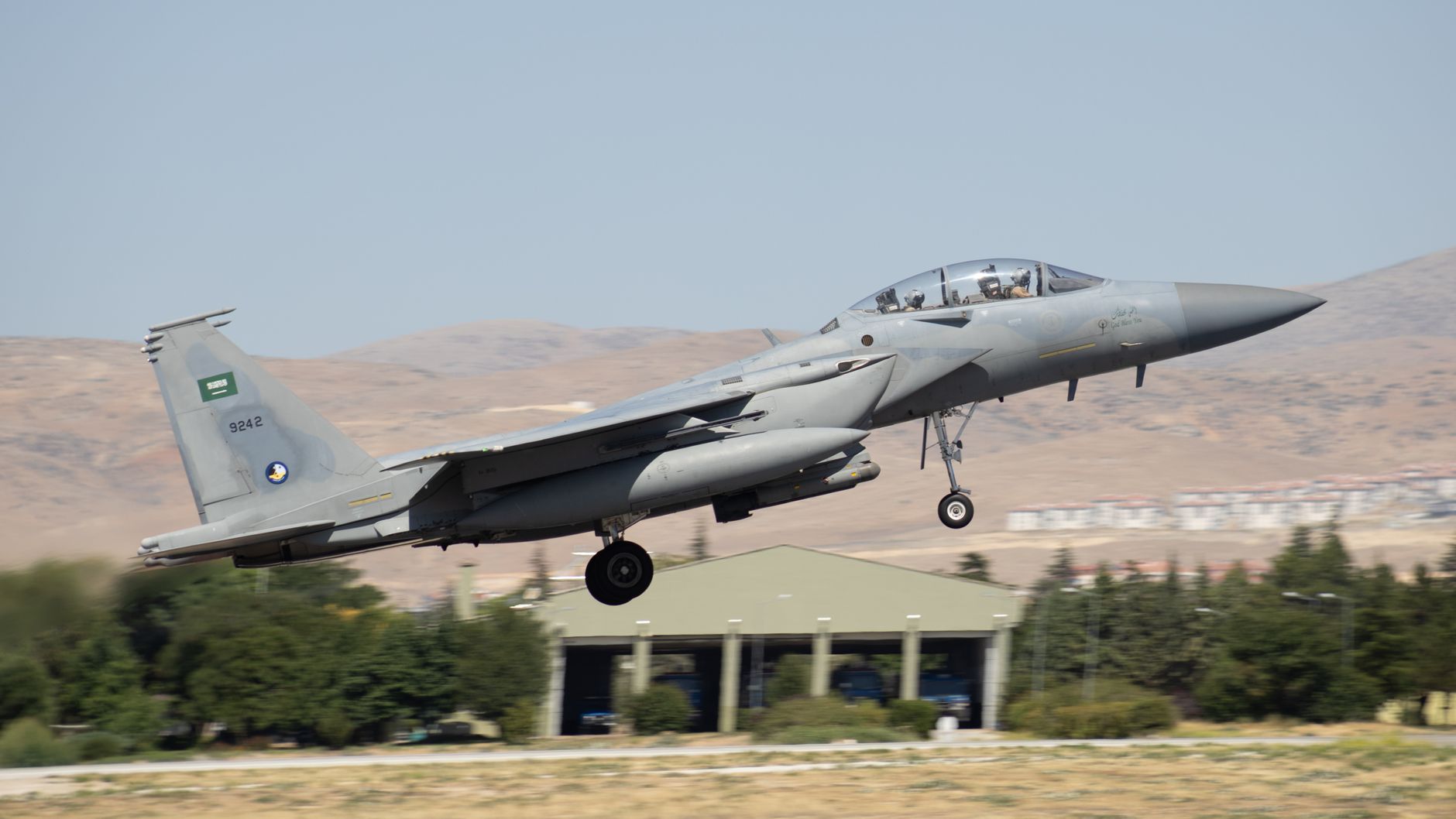
The United States government has sanctioned the sale of 48 advanced F-35 stealth fighter jets to Saudi Arabia, a transaction valued at approximately $24.3 billion. This decision, announced by the State Department, marks a significant development in the realm of international defense agreements, particularly in the context of the ongoing tensions in the Middle East.
Saudi Arabia’s interest in acquiring F-35 fighter jets has been longstanding, reflecting the kingdom’s efforts to modernize its military capabilities. The F-35, known for its advanced stealth technology and multifaceted combat capabilities, is seen as a critical asset in enhancing the kingdom’s defense posture amid regional uncertainties, especially following the escalation of conflicts involving Iran.
However, the approval of this arms sale has raised concerns among Israeli officials. Israel is currently the only nation in the Middle East equipped with F-35 jets, and there are apprehensions that the introduction of these aircraft into Saudi Arabia’s arsenal could shift the balance of power in the region. Despite these concerns, the U.S. administration appears to be moving forward with the sale, potentially as part of broader diplomatic efforts aimed at normalizing relations between Saudi Arabia and Israel.
The deal is part of a larger strategy by the United States to strengthen alliances in the Middle East while countering the influence of Iran, which has been a source of instability in the region. The U.S. has been actively involved in arms sales to Gulf states, viewing these transactions as essential for maintaining stability and security in a complex geopolitical landscape.
While the F-35 sale is a major milestone for Saudi Arabia, the implications extend beyond military enhancement. It also signals a potential shift in diplomatic relations within the region, as Saudi Arabia continues to explore avenues for normalization with Israel. This move could set the stage for future collaborations and partnerships, although it remains to be seen how regional dynamics will evolve in response to this development.
As the situation unfolds, the international community will be closely monitoring the reactions from both Israel and Iran, as well as the broader implications for U.S. foreign policy in the Middle East. The sale of the F-35s to Saudi Arabia not only underscores the kingdom’s ambitions in defense modernization but also highlights the intricate balance of power and diplomatic relations in a region fraught with challenges.