China Criticizes U.S. Policies on Iran and Cuba at UN General Assembly
During the recent session of the United Nations General Assembly, China’s Vice President Han Zheng delivered a pointed speech that criticized U.S. foreign policy regarding Iran and Cuba, emphasizing the importance of upholding national sovereignty. While he did not directly name the United States, his remarks were clearly aimed at highlighting what he described as unwarranted threats and interventions.
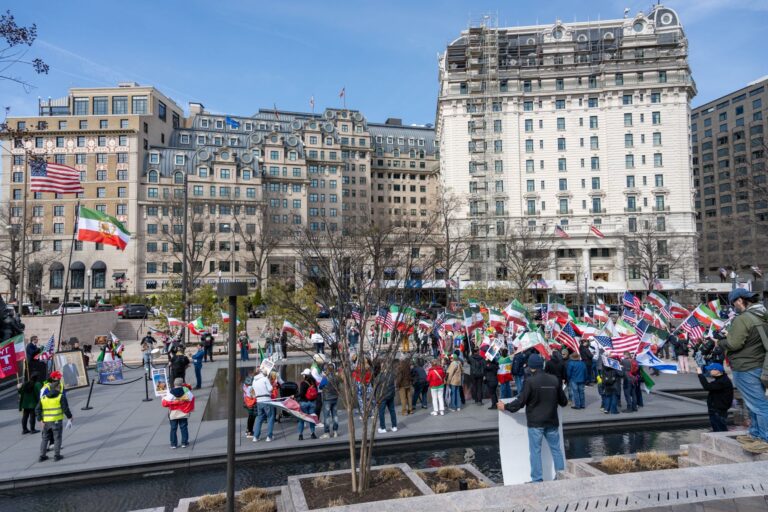
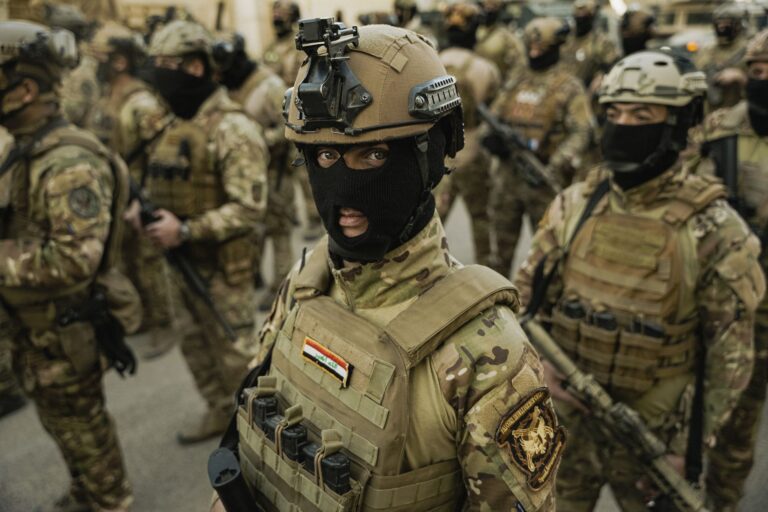
In his address, Han emphasized that the sovereignty of nations, particularly those in the Gulf region, should be respected by all countries. His comments come in the context of ongoing tensions in the Middle East, particularly concerning Iran, where U.S. military actions have escalated in recent months. He referenced the need for nations to engage in dialogue and cooperation rather than confrontation, suggesting that the current approach taken by certain countries undermines regional stability.
The speech also addressed the situation in Cuba, where U.S. policies have been criticized for exacerbating economic hardships on the island. The Biden administration has increased pressure on Cuba, particularly with restrictions on oil shipments, which has led to significant challenges for the Cuban economy. Han called for an end to the blockade, arguing that it not only harms the Cuban people but also contradicts the principles of mutual respect and non-interference that the international community should uphold.
China’s stance on these issues is part of a broader strategy to position itself as a defender of developing nations against what it perceives as aggressive policies from Western powers, specifically the United States. Han’s address reflects China’s commitment to supporting countries that face external pressures and advocating for a multipolar world where diverse voices can be heard and respected.
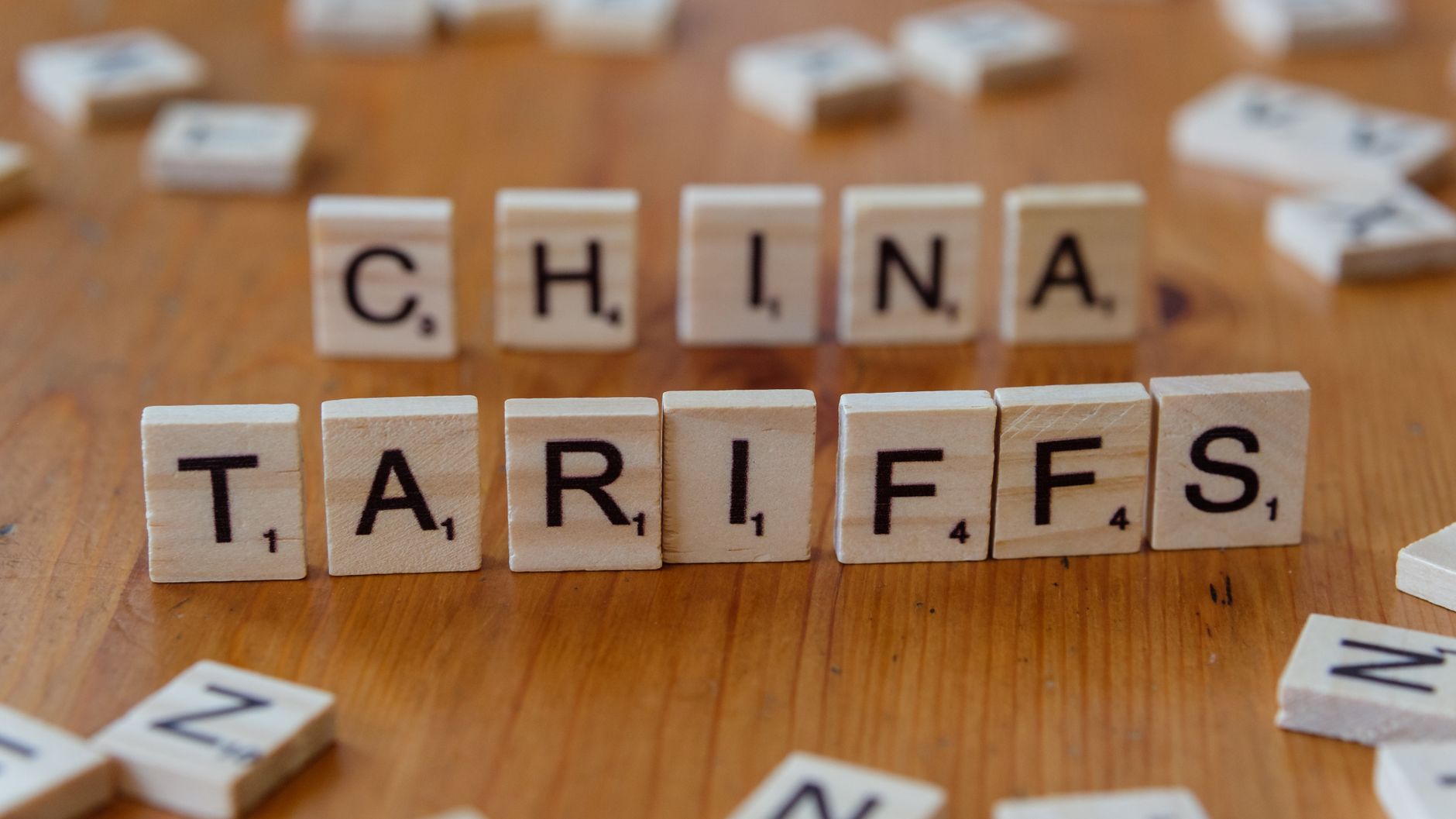
The comments made by Han are indicative of the growing tensions between the U.S. and China, particularly in the realm of international relations. As both countries navigate their respective interests on the global stage, issues such as sovereignty, economic sanctions, and military interventions are likely to remain contentious topics.
Analysts suggest that China’s emphasis on sovereignty and respect for national rights could resonate with many nations that feel threatened by dominant powers. As the global landscape continues to evolve, the implications of such speeches at the UN may influence diplomatic relations and shape policies moving forward.
In conclusion, China’s recent pushback against U.S. policies in both Iran and Cuba underscores the complexities of international diplomacy. As nations grapple with issues of sovereignty and intervention, the call for dialogue and cooperation remains crucial in fostering peaceful relations among countries.