Six Key Insights from a Challenging Week of UN Diplomacy
In a week marked by a flurry of activity, world leaders departed the United Nations, reflecting on numerous discussions and diplomatic gatherings. The week, characterized by speeches and informal negotiations, saw little progress on some of the world’s most complex issues, but notable advancements were made, particularly concerning the conflicts in Iran and Ukraine. Additionally, global leaders engaged in vital discussions about the risks associated with artificial intelligence.
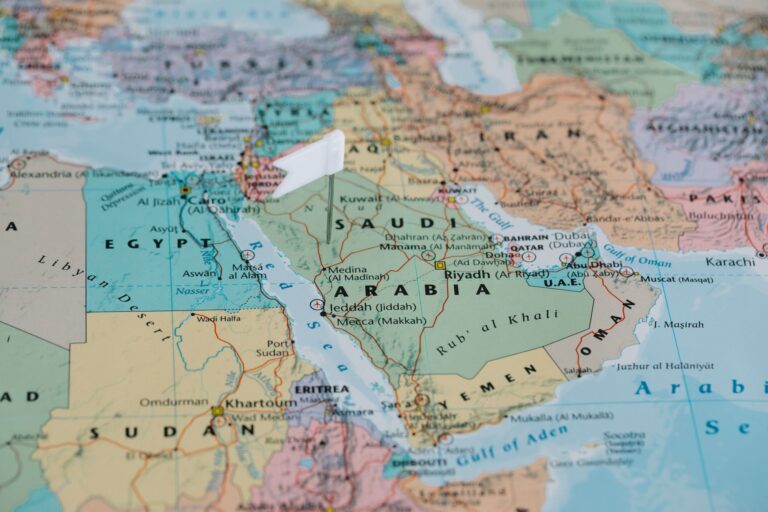
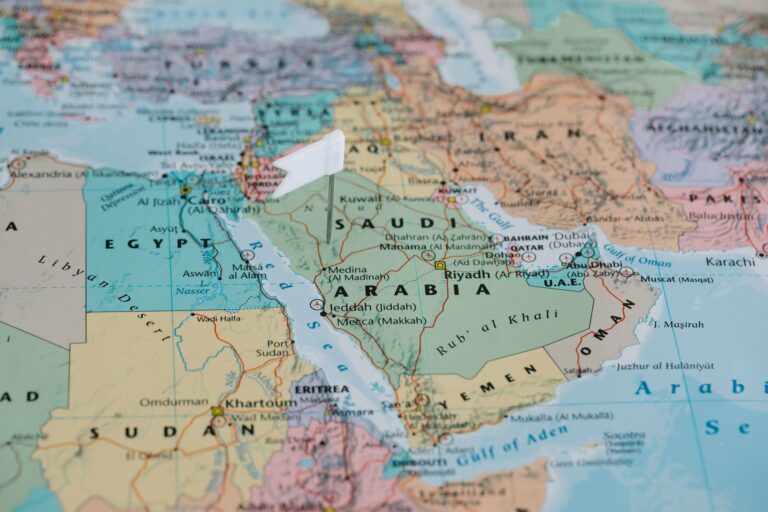
One of the most significant developments was the renewed focus on diplomacy surrounding Iran. Leaders expressed a commitment to revive negotiations, especially in light of the ongoing tensions related to Iran’s nuclear program. Discussions emphasized the importance of dialogue to de-escalate potential conflicts and maintain regional stability. While no concrete agreements were reached, the willingness to engage in talks signals a possible shift in the diplomatic landscape regarding Iran.
In parallel, the situation in Ukraine continued to capture international attention. Leaders reiterated their support for Ukraine amid the ongoing conflict with Russia, underscoring the urgency of addressing humanitarian needs and strengthening economic ties with the war-torn nation. A series of bilateral meetings highlighted cooperation efforts aimed at providing military and financial assistance to bolster Ukraine’s defense capabilities.
Artificial intelligence (AI) emerged as another critical topic during the week. Global powers, alongside industry leaders, engaged in extensive discussions about the ethical implications and potential risks of AI technologies. The dialogue centered on establishing regulatory frameworks to ensure that AI development aligns with global safety standards and respects human rights. Participants recognized that while AI holds immense potential for innovation, it also poses significant challenges that must be addressed collaboratively.
Another takeaway was the emphasis on climate action. World leaders reiterated their commitment to combating climate change, recognizing it as an existential threat that transcends national borders. Discussions included strategies for transitioning to renewable energy sources and the need for increased financial support for developing nations to adapt to climate impacts. Although challenges remain, the collective resolve to tackle climate issues was evident throughout the week.
Furthermore, the discussions highlighted the importance of multilateralism in addressing global challenges. Leaders called for greater collaboration among nations to foster peace, security, and sustainable development. This sentiment echoed throughout various panels, emphasizing the belief that a united approach is essential for overcoming the complexities of today’s geopolitical landscape.
Lastly, the week underscored the significance of dialogue in international relations. As world leaders navigated through a myriad of issues, the power of conversation became apparent. While the week did not yield immediate breakthroughs, the commitment to ongoing dialogue is crucial for fostering understanding and cooperation among nations facing increasingly interconnected challenges.