US Imposes Sanctions on Individuals and Entities for Assisting Iran in Weapons Procurement
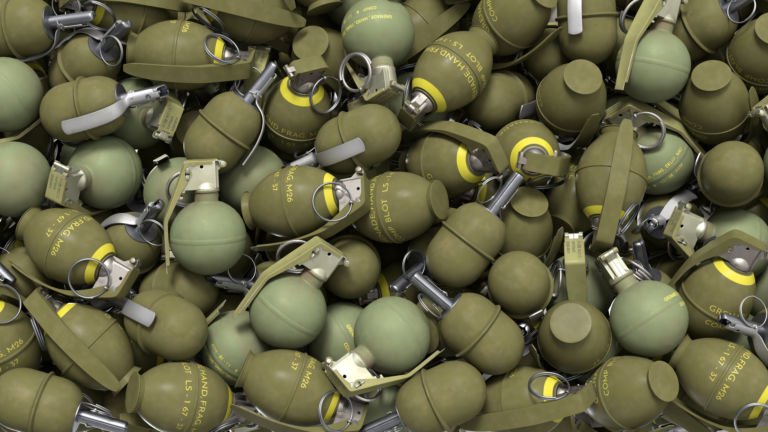
In a significant move to curb Iran’s military capabilities, the United States government has sanctioned ten individuals and entities linked to the procurement of weapons and military components for Iran. The sanctions, announced by the U.S. Treasury Department, highlight the ongoing tension between the U.S. and Iran, particularly in the context of the protracted conflict that has escalated since February.
Among those sanctioned are several individuals and companies based in China, Hong Kong, and Pakistan. The Treasury Department emphasized that these entities played a crucial role in facilitating Iran’s access to weapons, thereby undermining regional stability and violating international norms. This action aligns with the broader strategy of the U.S. administration to economically isolate Iran and compel it to engage in negotiations regarding its military activities and nuclear ambitions.
Treasury Secretary Scott Bessent stated, “Treasury will not tolerate any support to the regime and will continue to identify, expose, and isolate Iran’s enablers.” This firm stance reflects the U.S. commitment to addressing what it views as threats posed by Iran’s military actions and its support for proxy groups in the Middle East.
The sanctions come as part of a series of measures aimed at reducing Iran’s influence and curbing its ability to acquire military equipment. The Trump administration has been vocal about its intention to apply maximum pressure on Iran, a policy that has drawn both support and criticism domestically and internationally.
The individuals and entities targeted by the sanctions face restrictions that include asset freezes and prohibitions on conducting business with U.S. citizens and companies. This move is intended not only to punish those directly involved in the procurement activities but also to deter others from engaging in similar operations that could benefit the Iranian government.
Reactions to the sanctions have varied, with some experts arguing that while they may hinder Iran’s military procurement efforts, they could also exacerbate tensions in the region and lead to further destabilization. Critics of the U.S. policy have raised concerns about the potential for escalating conflict and the impact on ordinary Iranians, who may bear the brunt of economic hardships resulting from these sanctions.
As the situation develops, many are closely monitoring the implications of these sanctions on U.S.-Iran relations and the broader geopolitical landscape. The ongoing conflict and the U.S. approach to Iran will likely continue to be focal points of discussion among policymakers and analysts alike.