Wall Squats and Planks Once a Week Can Help Lower Your Blood Pressure
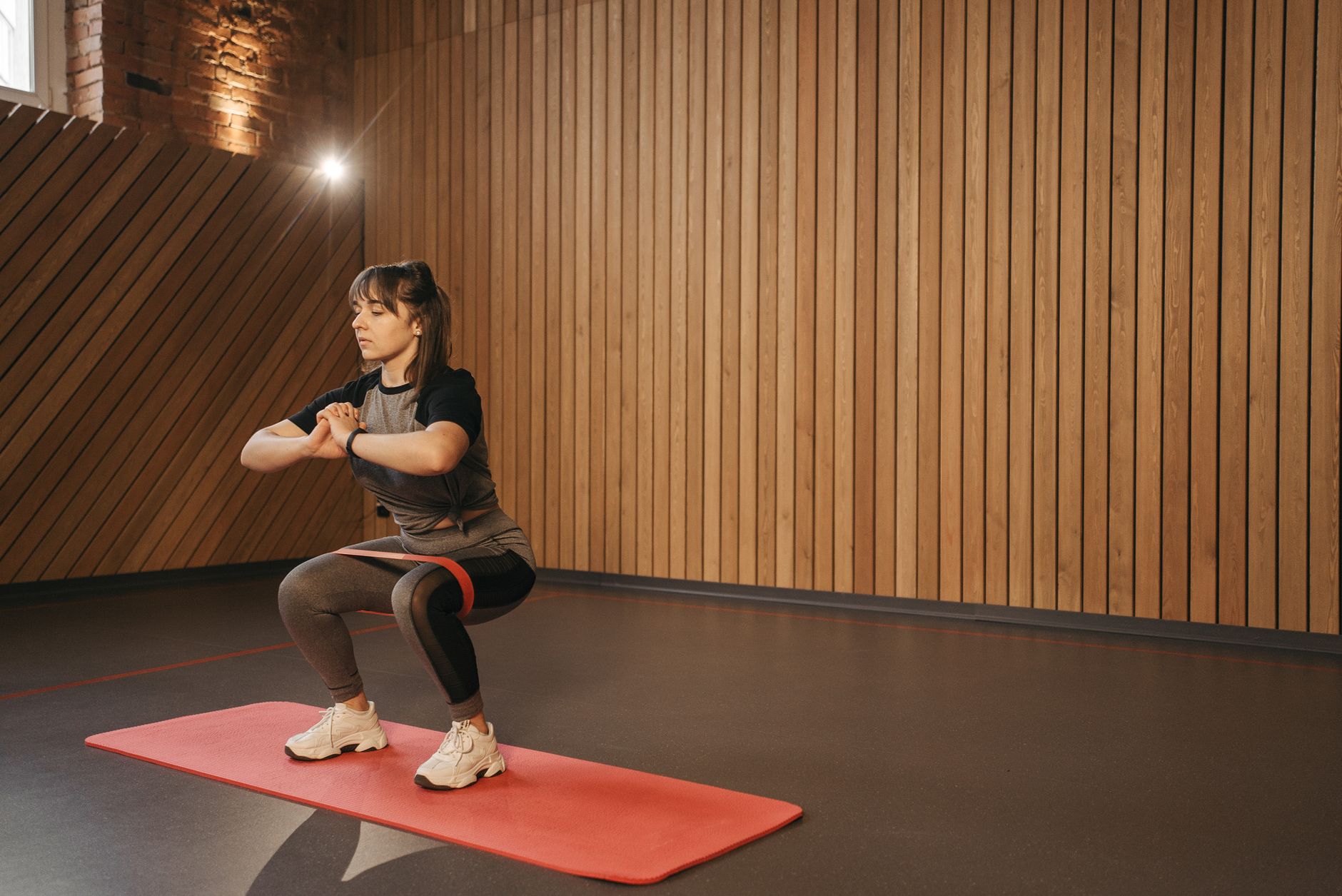
In a recent study, researchers revealed that engaging in isometric exercises just once or twice a week can lead to reductions in blood pressure. These exercises, which include wall squats and planks, have shown promise in providing both short-term and long-term benefits for individuals looking to manage their blood pressure levels.
The study found that participants who performed isometric exercises once or twice a week experienced noticeable decreases in blood pressure over a short time frame. Those who committed to exercising three times a week were able to sustain these improvements for a longer duration. Previous research has suggested that isometric training may be more effective in lowering blood pressure than some medications, but until now, the frequency needed to maintain these benefits remained unclear.
Isometric exercises involve holding a position for a few minutes, which helps engage and strengthen specific muscle groups. The findings of this latest study are particularly valuable for those who may struggle to fit daily exercise into their busy schedules. The researchers emphasized that lower-frequency isometric training can still yield significant benefits, making it a practical option for people with limited time for exercise.
The study was published on September 29 in BMJ Open Sport and Exercise Medicine. Experts not involved in the research expressed that the findings provide helpful insights for those aiming to improve their blood pressure management. Dr. Michael Fredericson from Stanford Health Care highlighted that significant benefits can be achieved without the need for a rigorous exercise routine. Similarly, Dr. Amanda Paluch from the University of Massachusetts noted that the study expands on previous knowledge regarding the impact of isometric training on blood pressure.
Hypertension, or high blood pressure, affects nearly half of all adults in the United States, increasing the risk of serious health issues such as heart disease and stroke. Blood pressure is measured with two numbers: systolic pressure (the force when the heart beats) and diastolic pressure (the force between beats). Effective management often includes lifestyle changes, medications, and regular exercise.
In the study, researchers recruited 100 adults with varying blood pressure levels who engaged in minimal physical activity. Participants followed a four-week regimen of isometric exercises, which included wall squats performed three times a week. After this initial phase, participants were divided into groups with different exercise frequencies to assess the impact on blood pressure.
The results indicated that participants who continued their isometric training three times a week achieved the greatest and most sustainable reductions in blood pressure. Conversely, those who ceased exercising after the initial phase experienced a reversal of their improvements.
Experts believe that isometric exercises may help lower blood pressure by enhancing how blood vessels work, allowing for better blood flow. Dr. Kevin Shah from MemorialCare Heart & Vascular Institute noted that these exercises help blood vessels relax and improve their ability to manage pressure.
For those interested in starting an isometric exercise routine, experts recommend beginning with manageable goals. Simple exercises such as wall sits, handgrip squeezes, and planks can be effective. Starting with just one or two sessions per week can lead to meaningful improvements over time. It’s essential to gradually increase the intensity and duration of exercises while maintaining consistency.
Overall, the study underscores the importance of incorporating even brief and infrequent sessions of isometric exercise into one’s routine to help manage blood pressure effectively.