Women With Enlarged Breasts More Likely to Experience Migraine and Sleep Apnea
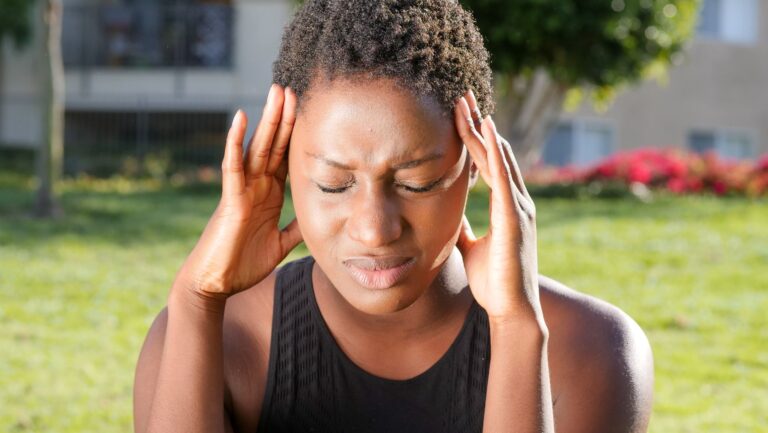
New research reveals that women suffering from macromastia, a condition characterized by enlarged breasts, may face a higher risk of chronic migraines, neck pain, and obstructive sleep apnea (OSA). This finding highlights that macromastia can be linked to a range of serious health issues, extending beyond the common physical discomfort typically associated with the condition.
Macromastia is estimated to affect approximately 1-5% of women, with prevalence increasing to about 18.6% in postmenopausal women. This increase is often tied to hormonal changes and weight gain, but the condition can also occur during puberty and pregnancy. Women experiencing macromastia frequently report significant discomfort, prompting many to consider breast reduction surgery as a potential solution.
The recent study published in *Headache: The Journal of Head and Face Pain* assessed the health impacts of macromastia in a sample of 687 women who attended headache and neurology clinics from 2017 to 2024. Among this cohort, 347 had macromastia while 340 did not. Researchers found that women with enlarged breasts were 40% more likely to suffer from chronic migraines, nearly twice as likely to experience neck pain, and 54% more likely to have obstructive sleep apnea. Additionally, they were over twice as likely to develop cervical radiculopathy, a condition caused by nerve compression in the neck.
Lead author Dr. Kristyn Pocock, an assistant professor of neurology at Wake Forest University School of Medicine, emphasized the importance of recognizing macromastia as a potential contributor to a broader spectrum of health concerns. “Many people view enlarged breast tissue as primarily a cosmetic issue, but our findings suggest a strong association with significant health problems,” Pocock stated. Understanding these connections could promote more comprehensive evaluations and treatment options for women affected by these symptoms.
Although the study was retrospective and did not establish a causal relationship, it raises critical questions regarding how macromastia may lead to these painful conditions. One possible explanation is the mechanical strain larger breasts place on the neck and upper body, potentially leading to musculoskeletal pain and nerve irritation. Other contributing factors include inflammation, hormonal variations, mood changes, and sleep disturbances.
The investigation also looked into the relationship between neck pain and breast reduction surgery. It found that neck pain was a significant factor for women opting for reduction, while migraines and sleep apnea were not as closely associated with surgical decisions. This distinction suggests that some health issues linked to macromastia may be overlooked during treatment discussions.
Preliminary evidence indicates that breast reduction surgery could help alleviate headaches for some women, although further research is necessary to validate these findings. In smaller studies, a significant percentage of women reported marked improvements in headache frequency and severity following the procedure.
For women living with macromastia, it is crucial to discuss any symptoms—such as frequent headaches, neck pain, loud snoring, or daytime fatigue—with a healthcare provider. A thorough evaluation can lead to appropriate treatment options, which may include breast reduction surgery or non-surgical interventions like physical therapy and the use of supportive bras.
Experts recommend finding a well-fitted bra to maximize comfort and support, especially for women engaging in physical activities. Low-impact exercises such as swimming, cycling, and strength training can help manage discomfort while promoting overall health. Maintaining a healthy weight through balanced nutrition is also advised to support long-term wellness.