Egypt’s Sisi Clarifies Military Support Role for Saudi Arabia Amid Regional Tensions
In a recent statement, Egyptian President Abdel Fattah al-Sisi emphasized that any military assistance Egypt provides to Saudi Arabia will strictly focus on territorial defense and will not extend to offensive actions against Yemen. This clarification comes amid rising tensions in the region, particularly following recent attacks by the Houthi movement in Yemen, which have raised concerns for Saudi Arabia’s security.
The Egyptian presidency spokesperson conveyed Sisi’s remarks, highlighting that Egypt’s commitment is to safeguard Saudi borders and territory, thereby reinforcing the kingdom’s defense without engaging in military operations aimed at Yemen. This statement is significant as it outlines the parameters of Egypt’s potential involvement in the ongoing conflict, where the situation remains fluid and complex.
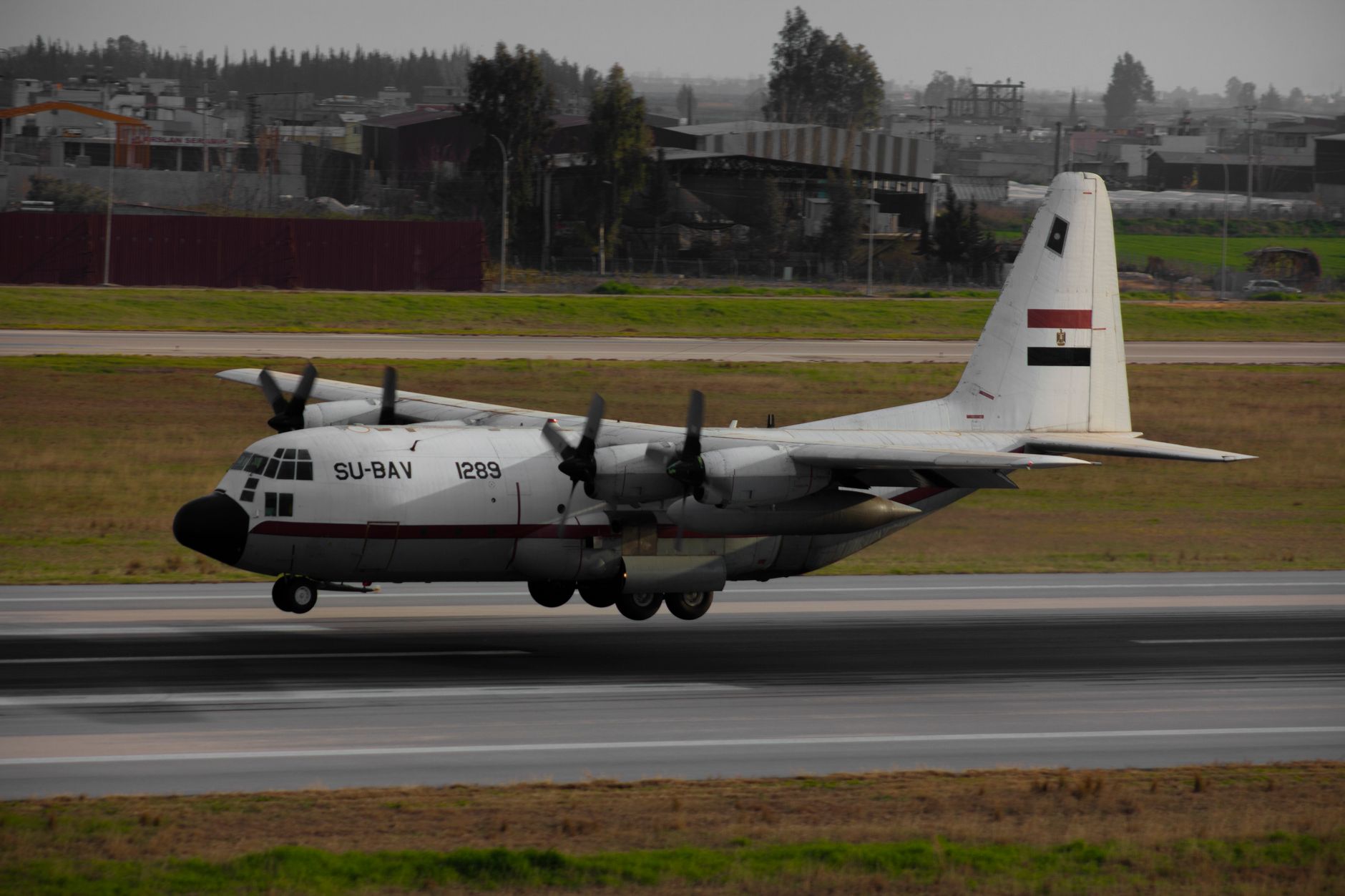
The Egyptian parliament is currently in deliberations regarding a proposed resolution that would authorize the Egyptian armed forces to support Saudi Arabia if necessary. Initially scheduled for a vote this week, the discussion has been postponed until October 26, allowing lawmakers more time to consider the implications of a deeper military role in the region. The decision to delay the vote reflects the cautious approach some legislators are taking regarding the potential escalation of Egypt’s involvement in the Yemen conflict.
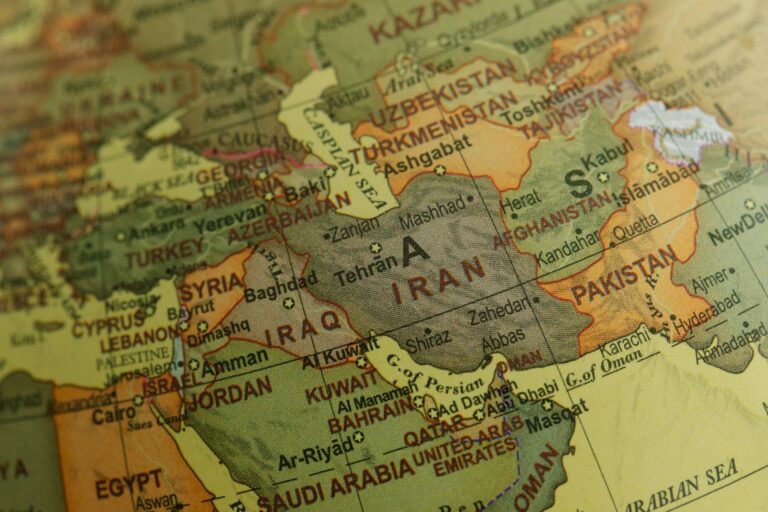
Recent attacks by the Houthis have prompted the Saudi government to seek additional military support, raising the stakes for regional allies like Egypt. The Houthis, who are aligned with Iran, have been engaged in a protracted conflict with the Saudi-led coalition since 2015, which has led to a humanitarian crisis in Yemen and has drawn international concern.
Egypt’s historical ties with Saudi Arabia and its strategic position in the region make its military support particularly noteworthy. However, Sisi’s government appears to be navigating a careful balance between demonstrating solidarity with Saudi Arabia and avoiding direct confrontation with Yemeni forces. This stance is crucial for maintaining regional stability and for Egypt’s internal considerations, as any military engagement could have significant domestic repercussions.
As the situation develops, both the Egyptian government and its parliament are likely to face scrutiny over their decisions regarding military involvement in the conflict. The upcoming parliamentary vote will be closely watched, as it may set the tone for Egypt’s future role in the Gulf region and its relationship with Saudi Arabia amid ongoing regional tensions.
The Egyptian leadership’s commitment to non-aggression towards Yemen reflects a broader desire to stabilize the region while upholding national interests, ensuring that any military engagement is both defensively oriented and diplomatically calculated.