Trump Announces End to $3.8 Billion Annual Aid to Israel
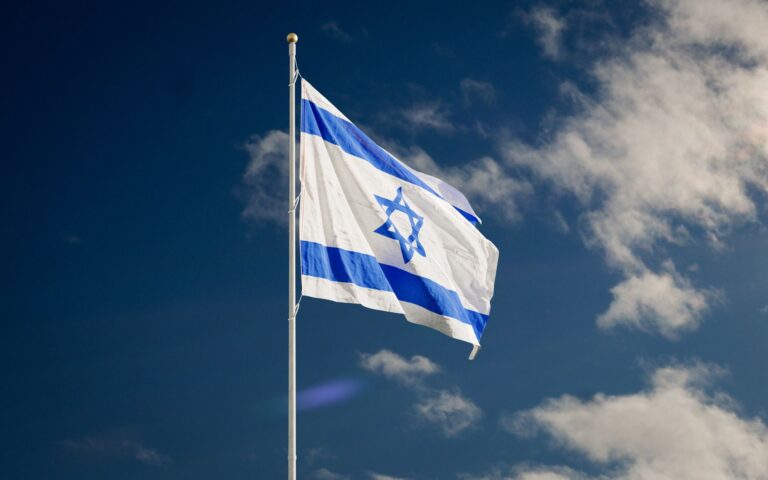
In a surprising announcement made during a phone interview with Fox News, President Donald Trump declared that the United States will discontinue its annual aid of $3.8 billion to Israel. This statement comes on the day of the midterm elections, where foreign aid and support for Israel have been hotly debated topics.
During the interview, Trump stated, “We give Israel $4 billion a year, and we made a deal months ago that we’re stopping.” The President emphasized that this decision was reached after discussions with Israeli officials, claiming that Israeli Prime Minister Benjamin Netanyahu was “fine” with the change in policy.
This declaration marks a significant shift in U.S. foreign policy towards Israel, a strategic ally in the Middle East. The annual aid, which has been a cornerstone of U.S.-Israel relations for decades, has provided critical support for Israel’s military and economic needs. Critics of the aid program have long argued that it should be reevaluated, especially in light of changing geopolitical dynamics and domestic priorities.
The timing of Trump’s announcement is noteworthy, coinciding with the midterm elections when various candidates and political factions have been vocal about their stances on foreign aid and relations with Israel. In recent years, support for Israel has become a divisive issue in American politics, with some progressive voices advocating for a reassessment of the financial support provided to the country.
Trump’s decision has sparked a range of reactions from political leaders and commentators. Supporters of the move argue that reducing aid could be a step towards encouraging Israel to take more substantial steps towards peace with the Palestinians. On the other hand, opponents warn that cutting off aid could destabilize the region and undermine Israel’s security at a time of rising tensions.
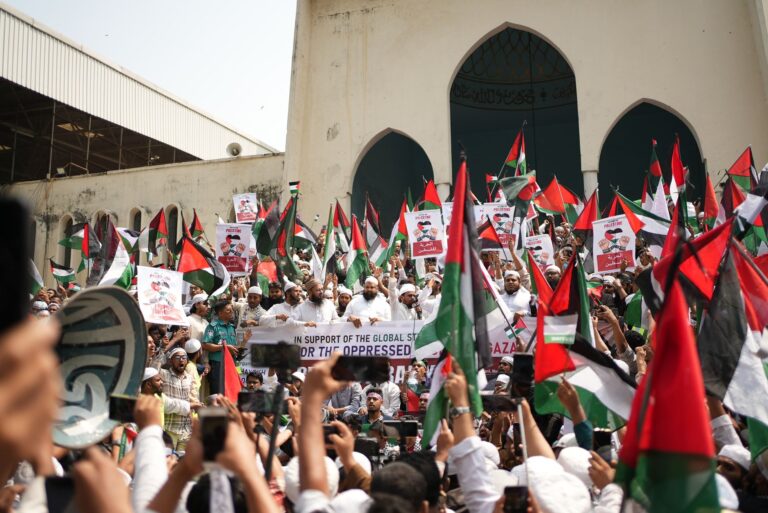
The implications of this shift are yet to be fully realized, as many analysts speculate about the potential consequences for U.S.-Israel relations and broader Middle Eastern geopolitics. There is also concern among advocates for Palestinian rights, who see this as an opportunity to push for more equitable policies in the region.
As the midterm elections continue to unfold, candidates and voters alike will likely reflect on the implications of Trump’s announcement and how it aligns with their views on foreign policy, particularly regarding the United States’ role in the Israeli-Palestinian conflict. The decision to end the aid could reshape discussions around U.S. involvement in the Middle East and the future of Israeli-Palestinian relations.