Legal Challenge Against Pro-Palestinian Group Ban Reaches UK Supreme Court
A significant legal confrontation is unfolding in the United Kingdom as Huda Ammori, co-founder of the pro-Palestinian organization Palestine Action, appeals a government decision designating her group as a terrorist organization. This pivotal case is set to be heard over two days at the UK Supreme Court, commencing on Wednesday.
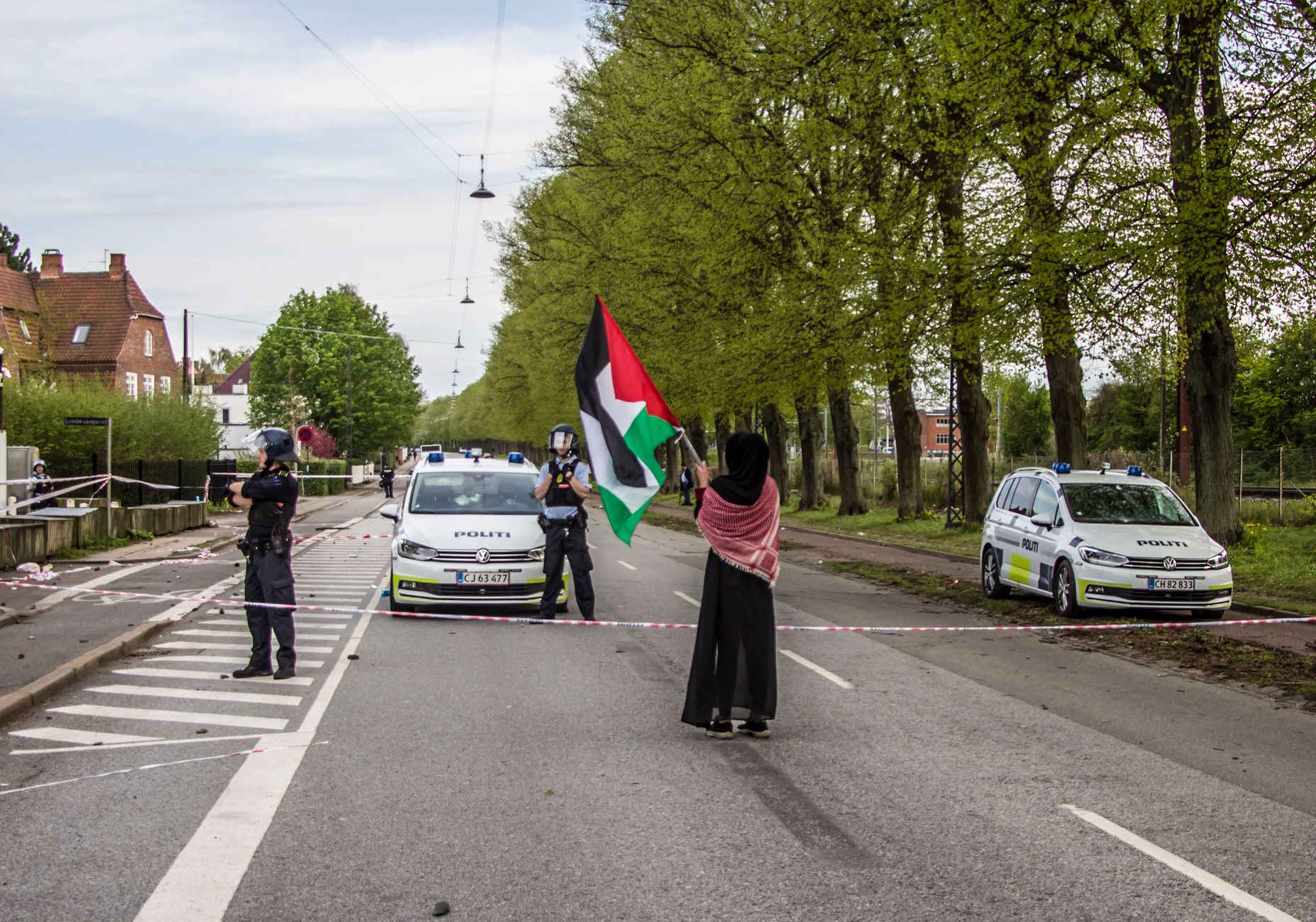
The government’s ban on Palestine Action has sparked widespread debate and controversy, particularly amid ongoing protests and demonstrations in support of Palestinian rights across the country. Critics of the ban argue that it infringes on the right to free expression and peaceful assembly, contending that labeling the group as a terrorist organization undermines legitimate political activism.
Since the government imposed the ban, police have made numerous arrests connected to protests organized by Palestine Action and similar groups. These mass arrests have drawn criticism from human rights advocates who assert that the crackdown is a disproportionate response to public dissent and activism. Supporters of the ban, however, maintain that the government’s actions are necessary to prevent potential violence and maintain public order.
Ammori’s legal team is challenging the government’s designation, claiming it lacks substantial evidence and unfairly targets activists advocating for Palestinian rights. They argue that the label of terrorism is being misapplied to stifle legitimate political discourse and activism, which they believe is essential in the context of the ongoing Israeli-Palestinian conflict.
The Supreme Court’s decision could have far-reaching implications not only for Palestine Action but also for other activist groups in the UK. Legal experts are closely monitoring the case, as its outcome may set a precedent regarding the balance between national security and civil liberties.
Supporters of Palestine Action are rallying behind Ammori, emphasizing the importance of their cause and the need for a platform where Palestinian voices can be heard. The organization has been vocal about its stance on the humanitarian issues facing Palestinians, advocating for their rights through various forms of protest and direct action.
As the hearings progress, the tension surrounding this case reflects a broader societal debate about the parameters of activism, the role of government in regulating dissent, and the impact of the ongoing Israeli-Palestinian conflict on communities in the UK and beyond. The Supreme Court’s ruling is anticipated with great interest, as it may influence not only the future of Palestine Action but also the landscape of political activism in the country.